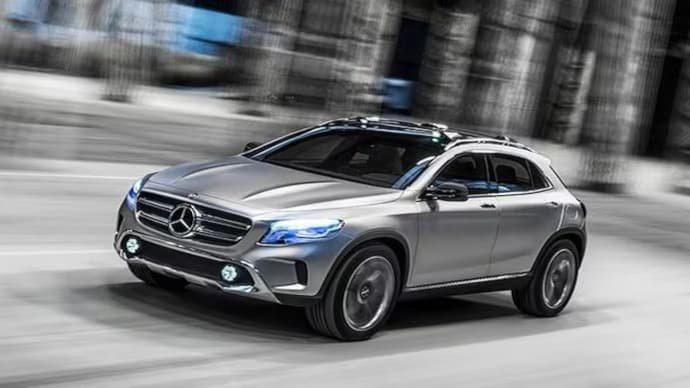
In a strategic move set to reshape India’s auto import landscape, India is reportedly preparing to slash import tariffs on European Union vehicles from the current peak of 110% down to 40%. Sources familiar with the ongoing negotiations informed Reuters that this reduction is part of a proposed free trade agreement (FTA) that could be finalised as early as Tuesday.
According to these sources, the government plans to apply the tariff reduction quickly on vehicles priced above approximately ₹16.3 lakh (USD 17,739). Over time, tariffs on such automobiles are expected to fall even further, potentially reaching 10%, marking a significant liberalisation of India’s traditionally restrictive car market.
Impact on European Automakers
For European manufacturers such as Volkswagen, Mercedes-Benz, and BMW, the phased tariff cuts would substantially improve access to India, which has long imposed some of the world’s highest taxes on imported cars to protect domestic production. The move is widely seen as a critical compromise in the long-running trade negotiations between New Delhi and Brussels.
Industry analysts note that this tariff revision would be the largest opening of India’s tightly controlled automotive sector in history, potentially attracting more foreign investment and bolstering bilateral economic relations.
Government and EU Response
Neither the European Commission nor India’s Ministry of Commerce has officially commented on the expected reduction. However, officials indicate that the proposal aligns with broader efforts to strengthen economic cooperation between India and the EU.
Currently, India maintains high import duties on finished vehicles to encourage domestic manufacturing and safeguard local industry. A reduction of this magnitude would have profound implications for automakers, consumers, and the long-term growth of the sector.
Context of High-Level Diplomatic Engagement
The announcement coincides with Ursula von der Leyen, President of the European Commission, visiting India on a four-day trip aimed at boosting bilateral ties. Alongside António Costa, President of the European Council, she will participate in trade negotiations and Republic Day events. On Tuesday, summit discussions with Prime Minister Narendra Modi are expected to formalise the FTA framework.
In addition to the tariff agreement, the India-EU discussions are expected to include a strategic defense alliance and a framework for facilitating Indian professional mobility within Europe, marking a new chapter in economic and strategic collaboration.
This historic development signals India’s readiness to deepen trade relations with the European Union while balancing domestic industry interests, providing a significant boost to both EU automakers and bilateral ties.
For breaking news and live news updates, like us on Facebook or follow us on Twitter and Instagram. Read more on Latest Business on thefoxdaily.com.




COMMENTS 0