- What Is Preferential Market Access?
- Why This Matters Now
- India’s ‘Sweet Spot’ in Global Trade
- Status of the India-US Trade Agreement
- WTO Dynamics and Digital Trade Debate
- Challenges: US Concerns Over Excess Capacity
- Analysis: Opportunity Amid Complexity
- What It Means for Indian Businesses
- Conclusion: A Crucial Phase in India-US Trade Relations
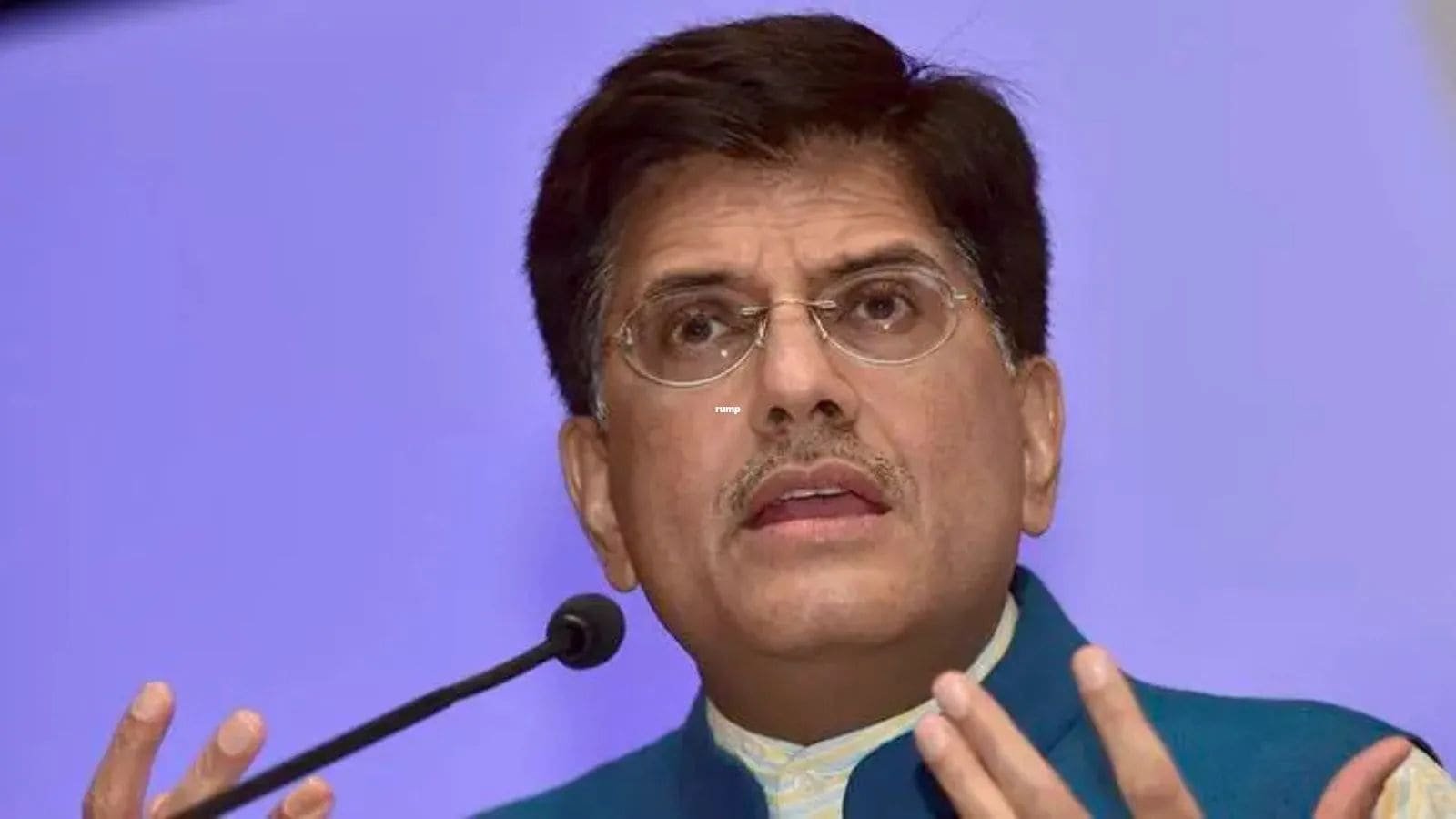
India is actively pursuing preferential market access for its products in the United States as part of an ongoing bilateral trade agreement, Commerce and Industry Minister Piyush Goyal said on Thursday. The development comes at a time when the US is reworking its tariff framework following legal challenges to its earlier reciprocal tariff policies.
Speaking at a press briefing, Goyal emphasised the strength of India-US Relations, noting that both countries share deep strategic ties across technology, defence, trade, and investment. He reiterated that India aims to secure better access for its exports in the American market as negotiations progress.
This push is part of a broader effort to strengthen trade flows between the world’s largest and fastest-growing major economies.
What Is Preferential Market Access?
Preferential market access refers to reduced tariffs or easier entry conditions for specific goods entering a foreign market. For India, this would mean that certain exports could face lower duties or fewer restrictions in the US compared to competitors from other countries.
Such access can significantly boost export competitiveness, especially in sectors where India already has a strong global presence.
“Our approach is that India should get preferential market access,” Goyal said, highlighting the government’s focus on expanding trade opportunities.
Why This Matters Now
The timing of India’s push is significant. The United States is currently redesigning its tariff architecture after its Supreme Court declared certain reciprocal tariffs illegal. This has implications for multiple trade agreements and could reshape how the US engages with global partners.
Additionally, the US has initiated Section 301 investigations into several countries, including India. These investigations examine issues such as:
- Structural excess capacity in manufacturing sectors
- Overproduction in industries like steel and petrochemicals
- Concerns around labour practices in supply chains
The fast-tracked nature of these probes suggests that new tariffs could be introduced as early as May, adding urgency to ongoing trade discussions.
India’s ‘Sweet Spot’ in Global Trade
Despite these challenges, India sees itself in a favourable position. Goyal described the country as being in a “very sweet spot” for trade expansion.
India’s strong economic growth and expanding manufacturing base make it an attractive destination for global investors and a reliable supplier of goods.
Key export sectors where India holds a competitive edge include:
- Textiles and apparel
- Pharmaceuticals and healthcare products
- Automotive components
- Construction and engineering goods
According to US Trade data, India recorded a bilateral trade surplus of approximately $58 billion with the United States in 2025, reflecting strong export performance.
Status of the India-US Trade Agreement
India and the United States have already finalised a framework for the first phase of a bilateral trade agreement earlier this year. However, the agreement has not yet been formally signed.
Goyal recently met US Trade Representative Jamieson Greer during the 14th Ministerial Conference of the World Trade Organization (WTO) in Cameroon, where discussions on trade cooperation were further advanced.
The agreement is expected to cover tariff reductions, market access, and regulatory cooperation, though specific details are still under negotiation.
WTO Dynamics and Digital Trade Debate
At the WTO, India has taken a balanced stance on key global trade issues. One notable example is the ongoing debate over the moratorium on customs duties on electronic transmissions.
India supported a temporary extension of the moratorium for 4–5 years but opposed making it permanent. This reflects concerns among developing nations about losing potential revenue from digital trade.
The issue remains unresolved due to differing positions among major economies, including opposition from countries like Brazil.
Challenges: US Concerns Over Excess Capacity
While trade relations remain strong, the US has raised concerns about India’s manufacturing capacity in certain sectors.
According to the US Trade Representative (USTR), India has developed significant excess capacity in industries such as:
- Solar modules
- Steel and petrochemicals
- Other manufacturing sectors
For instance, India’s solar module production capacity is reportedly nearly three times its domestic demand. Such imbalances can lead to trade tensions, particularly if exports are perceived to disrupt global markets.
These concerns are likely to play a role in shaping future tariff decisions and trade negotiations.
Analysis: Opportunity Amid Complexity
India’s push for preferential market access reflects a strategic effort to capitalise on shifting global trade dynamics. As supply chains diversify and geopolitical alignments evolve, both India and the US have incentives to deepen economic ties.
However, the path forward is not without challenges. Issues such as tariffs, regulatory standards, and sector-specific concerns will require careful negotiation.
The ongoing Section 301 investigations add another layer of complexity, potentially influencing the pace and scope of the trade agreement.
In essence, the situation presents both opportunity and risk—a classic case of trade Diplomacy in action.
What It Means for Indian Businesses
If India secures preferential market access, exporters could benefit significantly through:
- Lower tariffs on key products
- Improved competitiveness in the US market
- Expanded market share in high-demand sectors
At the same time, businesses may need to adapt to stricter compliance requirements, particularly in areas like environmental standards and labour practices.
For exporters, the message is clear: opportunity is growing, but so are expectations.
Conclusion: A Crucial Phase in India-US Trade Relations
India’s efforts to secure preferential market access in the United States mark an important phase in bilateral economic relations. With both countries exploring deeper trade integration, the outcome of these negotiations could shape the future of cross-border commerce.
While challenges remain, the broader trajectory points towards stronger cooperation and increased trade flows.
As Goyal highlighted, India’s economic momentum and global relevance position it as a key partner for the US. The coming months will determine how effectively both sides translate this potential into tangible trade gains.
For breaking news and live news updates, like us on Facebook or follow us on Twitter and Instagram. Read more on Latest Business on thefoxdaily.com.






COMMENTS 0