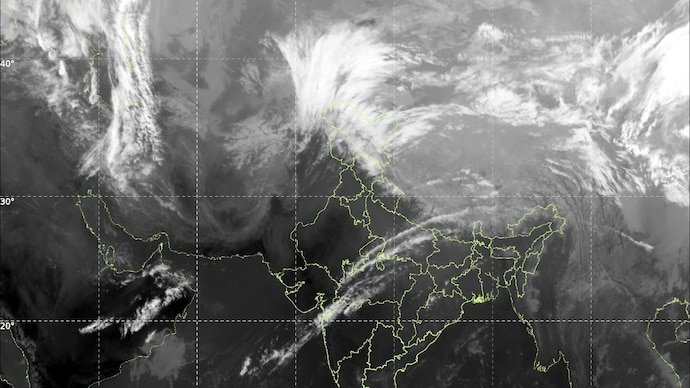
India’s winter weather has grown noticeably erratic in recent years, and the current season has once again highlightedhow unpredictable climatic conditions have become. While several northern regions have recorded unusually severe cold wavesand persistent fog, other areas—particularly parts of the Himalayas—have witnessed a worrying lack of snowfall and winter precipitation.
These contrasting patterns have raised pressing questions among scientists, policymakers, farmers, and citizens alike:Why is India experiencing such sudden swings between extreme cold, dry spells, and unexpected rain?The answer lies largely in a familiar but increasingly unstable weather system known as the Western Disturbance.
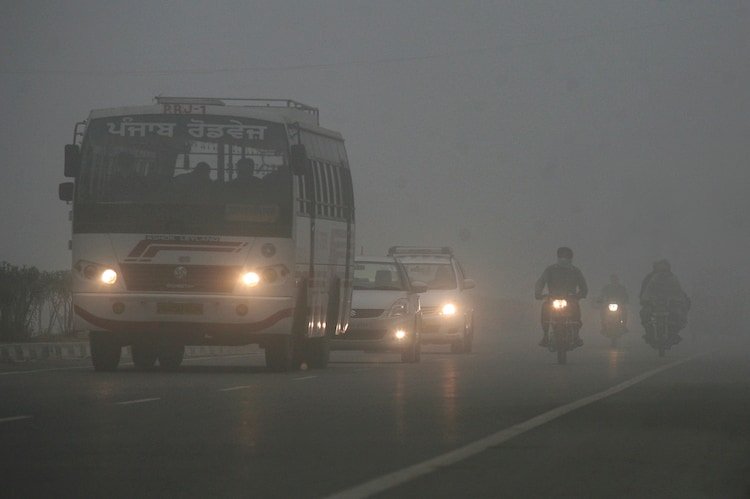
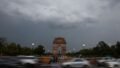
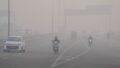
This winter, especially across northern and northwestern India, abrupt temperature drops, dense fog episodes,isolated rainfall events, and prolonged dry conditions have occurred in quick succession.Weather bulletins frequently attribute these sudden shifts to Western Disturbances—systems capable of triggering rainfall,altering snowfall patterns in the Himalayas, or plunging large parts of the Indo-Gangetic plains into biting cold.
For decades, Western Disturbances have been a defining feature of India’s winter climate.However, climate change is now modifying their intensity, frequency, and paths, making their impacts far more unpredictable than before.
Western Disturbance: What Is It and How Does It Work?
A Western Disturbance is an extratropical storm system that originates over the Mediterranean Sea and adjoining regions of Europe and West Asia.Unlike monsoon systems that form over warm tropical waters, Western Disturbances are driven by temperature contrastsbetween cold polar air masses and relatively warmer air from lower latitudes.
These systems travel eastward under the influence of strong westerly winds in the upper atmosphere.As they move across regions such as Turkey, Iran, Afghanistan, and Pakistan, they absorb moisture from nearby seas,including the Mediterranean, Black Sea, and Caspian Sea.
When a Western Disturbance reaches the Indian subcontinent, particularly northwest India,its moisture-laden air rises sharply upon encountering the Himalayan mountain range.This upward movement cools the air, resulting in cloud formation, rain in the plains,and snowfall in higher-altitude regions.
States such as Jammu and Kashmir, Himachal Pradesh, Uttarakhand, Punjab, Haryana, Rajasthan,and parts of Uttar Pradesh depend heavily on Western Disturbances for winter rainfall and snowfall.These systems are most active between December and February and are critical for maintaining seasonal climate balance.
The uneven distribution of snowfall and rainfall observed this year—where some Himalayan regions received deficient snowwhile others experienced sudden heavy precipitation—directly reflects shifts in Western Disturbance behavior.
How Climate Change Is Altering Western Disturbances
Climate scientists emphasize that global warming is reshaping atmospheric circulation patterns,directly influencing Western Disturbances.Rising global temperatures mean that warmer air can hold more moisture,which increases the potential for intense rainfall or snowfall when conditions align.
At the same time, warming trends are weakening or diverting some disturbances before they reach India.This results in long dry spells followed by short bursts of intense precipitation,a pattern that significantly raises the risk of floods, landslides, and infrastructure damage.
Another major shift is the increasing conversion of snowfall into rainfall at lower and mid-altitudes.As temperatures rise, precipitation that once accumulated as snow now falls as rain,disrupting snowpack formation and accelerating glacier melt.
This shift has serious implications for river systems fed by Himalayan snow and glaciers.Reduced snow accumulation affects the timing and volume of river flows,increasing the likelihood of water shortages during summer months.
The sharp cold spells and unseasonal rain observed across northern India this winterhave been linked to these altered dynamics.Scientists warn that such variability will only intensify as climate change progresses.
Why Western Disturbances Are Crucial for India
Western Disturbances play a vital role in India’s economy, Agriculture, and water security.Winter rainfall associated with these systems replenishes soil moisture,which is essential for rabi crops such as wheat, mustard, gram, and barley.
This moisture reduces dependence on irrigation, lowers groundwater extraction,and supports food security in major agricultural belts like Punjab and Haryana.
In the Himalayan region, snowfall sustains glaciers and regulates river discharge during spring and early summer.Millions of people downstream depend on these rivers for drinking water, agriculture, and hydropower generation.
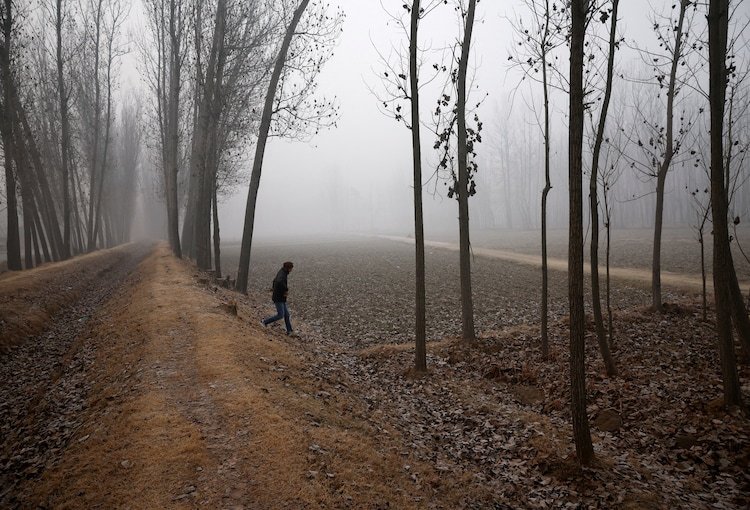
When Western Disturbances weaken or fail to arrive, the consequences are far-reaching.In Kashmir, inadequate snowfall has disrupted winter tourism and raised alarms over future water availability.
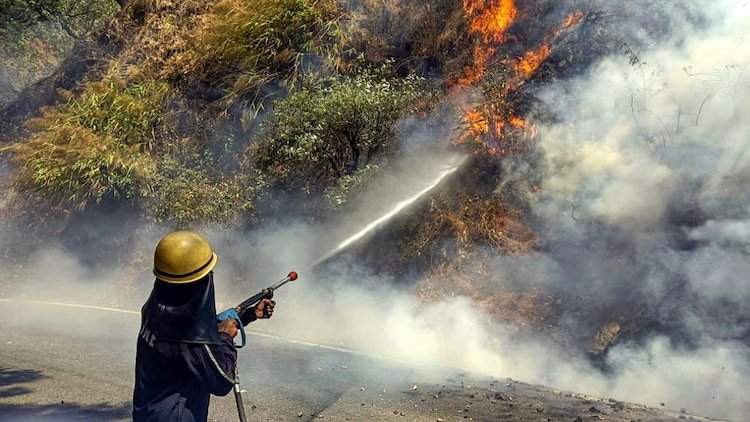
Agricultural heartlands have experienced crop stress due to insufficient winter rain,while prolonged dry conditions in hill states such as Uttarakhand have increased the frequency and intensity of forest fires.
The Growing Need for Preparedness
The increasing unpredictability of Western Disturbances makes accurate forecasting more critical than ever.India must strengthen its meteorological capabilities to anticipate both extreme rainfall and prolonged dry spells.
Farmers may need to adjust sowing calendars, crop choices, and irrigation practicesto cope with erratic winter precipitation.Urban planners and disaster management agencies must prepare for sudden floods,landslides, avalanches, and cold-wave emergencies.
Experts stress that understanding the evolving behavior of Western Disturbancesis essential for safeguarding India’s long-term water security,especially for rivers dependent on Himalayan snow and glaciers.
Western Disturbances remain a cornerstone of India’s winter climate in a warming world.However, managing India’s changing climate will require resilience, adaptive planning,and preparedness for uncertainty that is now becoming the new normal.
For breaking news and live news updates, like us on Facebook or follow us on Twitter and Instagram. Read more on Latest Education on thefoxdaily.com.


COMMENTS 0