- What the Court Decided
- What Claims Still Remain
- Background: Allegations from Film Production
- The Retaliation Claim and “Digital Smear Campaign”
- Legal Battle Timeline
- Previous Lawsuit by Baldoni
- Industry Context: Power, Reputation, and Public Narrative
- Analysis: What the Ruling Really Means
- What Happens Next
- Conclusion: A Narrowed but High-Stakes Trial Ahead
A US federal judge has dismissed most of the claims filed by Blake Lively against her “It Ends With Us” co-star and director Justin Baldoni, just weeks before the trial was scheduled to begin. In a significant legal development, the court struck down 10 out of 13 claims, including key allegations of sexual harassment and defamation.
The ruling, issued by District Judge Lewis Liman, leaves only three claims active in the case—retaliation, aiding and abetting retaliation, and breach of contract. Notably, Baldoni himself is no longer a defendant in the remaining claims, although one claim continues against his production company, Wayfarer Studios.
What the Court Decided
The decision represents a major narrowing of what had become one of the most closely watched legal disputes in Hollywood. The dismissed claims included serious allegations of workplace misconduct, but the judge ruled that many could not proceed due to legal and procedural grounds.
One of the central issues was Lively’s employment status during the film’s production. The court found that she was operating as an independent contractor rather than an employee—an important distinction that affects how Workplace Harassment laws apply.
Several claims, including sexual harassment, were dismissed on legal technicalities related to employment classification.
This technicality significantly weakened the legal basis for some of Lively’s accusations, leading to their dismissal before trial.
What Claims Still Remain
Despite the setback, the case is far from over. Three claims are still set to go to trial:
- Retaliation
- Aiding and abetting retaliation
- Breach of contract
These remaining claims focus less on the alleged misconduct itself and more on what Lively describes as consequences she faced after raising concerns.
Importantly, Baldoni is not personally named in these surviving claims, shifting the legal focus toward corporate responsibility and contractual obligations.
Background: Allegations from Film Production
The dispute stems from the production of “It Ends With Us”, a 2024 film adaptation of Colleen Hoover’s bestselling novel. The story, centered on Domestic Violence, required emotionally intense performances from its lead actors.
In her complaint, Lively alleged that Baldoni engaged in inappropriate behavior on set, including making sexual comments and discussing his personal life in ways she found uncomfortable. She also claimed that certain intimate scenes were improvised without prior choreography.
Baldoni denied these allegations, describing the incidents as misunderstandings or contextually relevant discussions given the film’s mature themes.
“This is a dispute about Hollywood reputations, not genuine legal wrongs,” Baldoni’s legal team argued in court filings.
The Retaliation Claim and “Digital Smear Campaign”
While the harassment claims have been dismissed, Lively continues to pursue allegations that she faced retaliation after speaking up.
According to her legal team, Baldoni and his associates allegedly orchestrated a coordinated online campaign to damage her reputation following the film’s release.
Lively’s complaint described this as a deliberate effort to control the narrative and discredit her publicly.
“This case has always been focused on the devastating retaliation and the extraordinary steps taken to destroy Blake Lively’s reputation,” her attorney said.
The Defense, however, maintains that any public relations activity was lawful and a response to protect Baldoni’s own reputation.
Legal Battle Timeline
The Conflict between the two actors has unfolded over more than a year, involving multiple lawsuits and public disclosures.
| Timeline | Key Event |
|---|---|
| December 2024 | Lively files complaint with California Civil Rights Department |
| Early 2025 | Civil lawsuit filed in federal court |
| January 2025 | Baldoni files $400 million defamation lawsuit against Lively and Ryan Reynolds |
| June 2025 | Defamation lawsuit dismissed by court |
| April 2026 | Judge dismisses majority of Lively’s claims |
| May 18, 2026 | Jury selection scheduled to begin |
Previous Lawsuit by Baldoni
In a separate legal move, Baldoni had filed a $400 million defamation lawsuit against Lively and her husband, actor Ryan Reynolds, accusing them of damaging his career and interfering with the film’s production.
That lawsuit was dismissed earlier, with the court ruling that Lively’s allegations were legally protected and could not form the basis of a defamation claim.
However, the court did not evaluate the truth of those allegations, focusing instead on legal protections around such claims.
Industry Context: Power, Reputation, and Public Narrative
This case highlights broader issues within the Entertainment Industry, where disputes often extend beyond courtrooms into public perception battles.
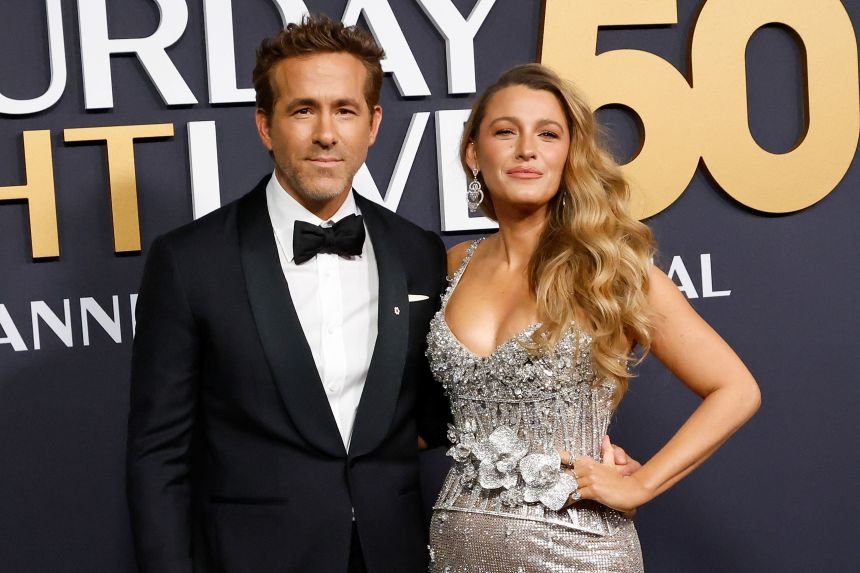
With both parties being high-profile figures, the legal fight has been closely followed by media and fans alike. The unsealing of private messages and the release of alleged timelines online have added to the public scrutiny.
Such cases often blur the line between legal accountability and reputation management—a dynamic increasingly shaped by digital platforms.
Analysis: What the Ruling Really Means
The judge’s decision does not necessarily validate or invalidate the underlying allegations. Instead, it reflects the legal thresholds required to bring certain claims to trial.
By narrowing the case, the court has shifted the focus from alleged misconduct to the aftermath—specifically, whether retaliation occurred and whether contractual obligations were breached.
This distinction is crucial. It means the trial will likely center on actions taken after the alleged incidents rather than the incidents themselves.
For both sides, this changes the legal strategy significantly.
What Happens Next
With jury selection scheduled for May 18, the case is now entering its final phase. Both parties are expected to present arguments related to the remaining claims, which could still carry reputational and financial implications.
Wayfarer Studios has expressed confidence following the ruling, stating it looks forward to defending the remaining claims in court.
Meanwhile, Lively has indicated she is prepared to testify and continue pursuing accountability.
Conclusion: A Narrowed but High-Stakes Trial Ahead
The dismissal of most claims marks a turning point in this high-profile legal battle, but it does not end the dispute. Instead, it refocuses the case on a narrower set of issues that could still have significant consequences.
As the trial approaches, attention will shift from broad allegations to specific legal questions around retaliation and contractual conduct.
In a case shaped as much by public perception as legal arguments, the final outcome may influence not just the parties involved, but also how similar disputes are handled in the entertainment industry moving forward.
For breaking news and live news updates, like us on Facebook or follow us on Twitter and Instagram. Read more on Latest Entertainment on thefoxdaily.com.






COMMENTS 0