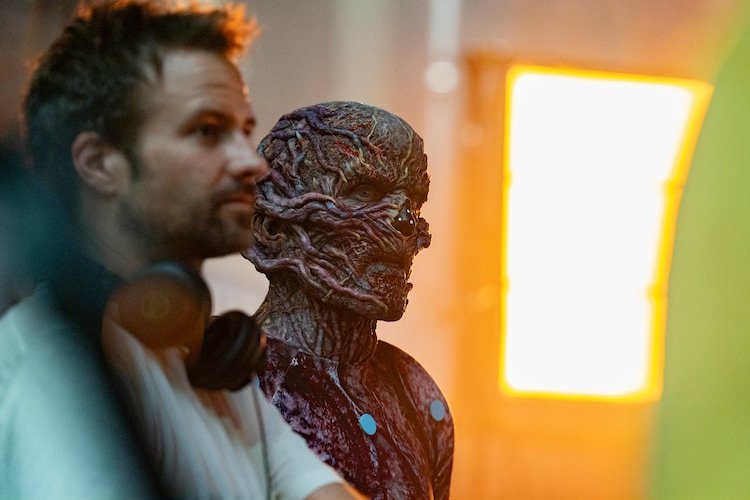
For its final goodbye, Netflix’s most successful original series chose reflection over spectacle. Released on January 13 (IST), One Last Adventure: The Making of Stranger Things 5 arrives not as a marketing gimmick, but as an emotionally grounded chronicle of how one of modern pop culture’s defining shows reached its end.
For fans, Stranger Things has always been more than entertainment—it has been an emotional investment stretching nearly a decade. For Netflix, it represents a turning point that reshaped the platform’s global identity, transformed a group of child actors into household names, and converted 1980s nostalgia into a multi-billion-dollar cultural phenomenon.
What stands out immediately is the documentary’s refusal to inflate its own importance. Instead of grand announcements or sensational revelations, it opts for a measured, almost restrained examination of the creative machine as it slowly winds down. The result is contemplative rather than celebratory—and that is precisely its strength.
At over two hours in length, One Last Adventure clearly defines its purpose early on. This is not a spoiler-heavy companion nor a treasure hunt for hidden clues about the ending of Stranger Things 5. There are no secret episodes, no alternate finales, and no elaborate misdirection. What viewers receive instead is a rare, behind-the-scenes window into the artistic, emotional, and logistical pressures of ending a story that millions feel personally attached to.
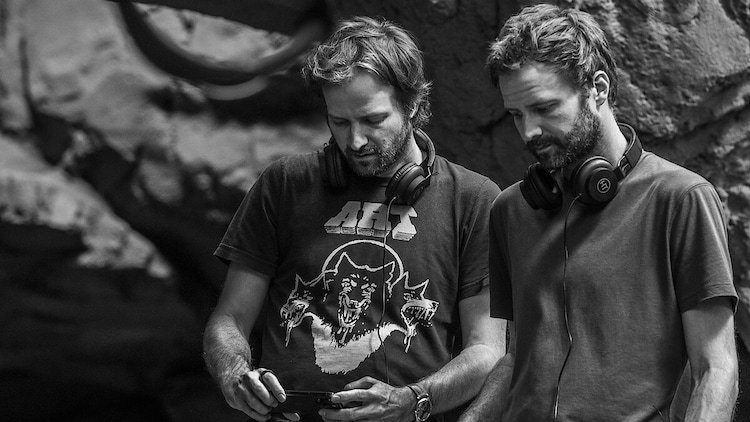
Deep within the production process, creators Matt and Ross Duffer are seen rewriting scripts while filming is already underway, debating character arcs late into production, and openly expressing anxiety about the possibility of a disappointing finale. For a series of this scale, such vulnerability is risky—and the documentary does not shy away from that discomfort.
It becomes evident that Stranger Things did not glide effortlessly into its final season. It stalled, recalibrated, and repeatedly reassessed its direction. That uncertainty fuels much of the film’s emotional texture. The challenge, as the Duffer Brothers articulate, was to deliver genuine closure without surrendering to shallow fan service.
Designers are shown refining Vecna’s presence to preserve menace without alienating audiences. Massive Hawkins sets rise under relentless deadlines, offering a stark reminder of the physical and mental toll of large-scale television production. The documentary succeeds by revealing that even cultural juggernauts are held together by improvisation, compromise, and last-minute problem-solving.
Where One Last Adventure truly finds its footing, however, is in its emotional access. Unlike many polished behind-the-scenes specials, this film allows moments to remain raw and unresolved. Table reads become emotional checkpoints. Wrap-day speeches linger. Tears, hugs, and silence are not edited out for neatness—they are allowed to exist.
The passage of time is another recurring theme. Archival footage from early seasons is interwoven with present-day production, underscoring how rare it is for a cast to age in real time within a single cultural moment. The sense of closure here does not stem from narrative finality alone, but from emotional readiness. These actors and creators are not simply ending a show—they are stepping out of a shared chapter of their lives.
Creatively, the documentary strikes a careful balance. It offers insight without overexposure. The teams discuss Eleven’s final arc, the emotional tone of the ending, and the evolving relationship between Hawkins and the Upside Down—focusing more on intent than outcome. Writing, production design, visual effects, and performance are shown in constant dialogue, reinforcing the collaborative engine that powered Stranger Things from the start.
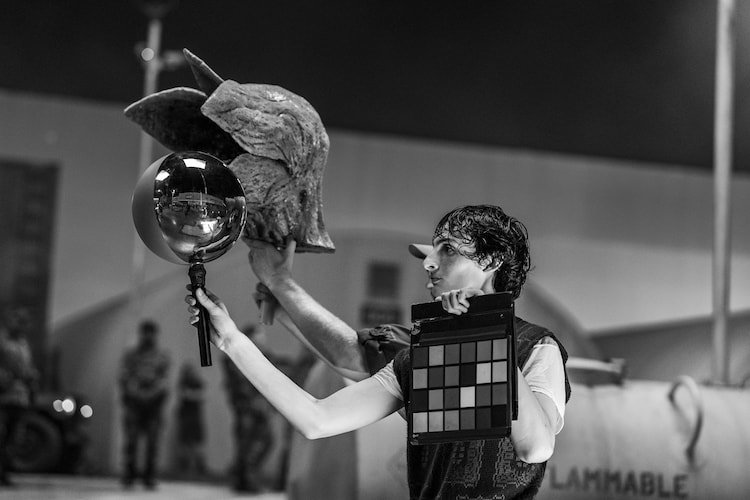
Fan culture is addressed with unexpected clarity. The widely circulated “Conformity Gate” theory—which claimed Netflix was hiding a secret episode or that the finale was an elaborate misdirection—is firmly dismissed. There are no covert episodes waiting to drop. What exists is the series, its ending, and this documentary. Nothing more.
Some viewers may find the film’s restraint underwhelming. Those hoping for shocking confessions, discarded scenes, or dramatic twists may come away disappointed. The pace is deliberate, the tone introspective, and its emotional weight is clearly aimed at long-time fans rather than casual viewers.
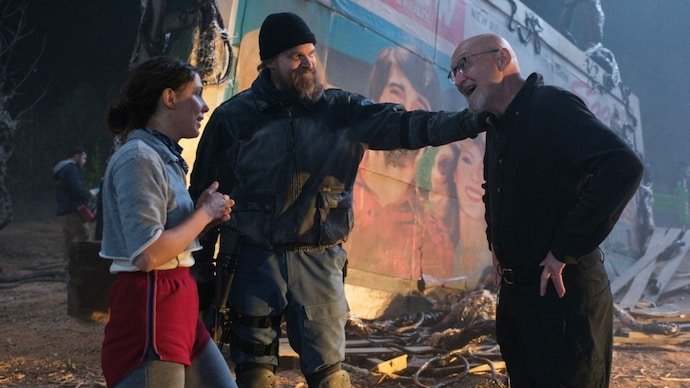
Ultimately, One Last Adventure functions less as a souvenir and more as a resolution. It explains not just how Stranger Things ended, but why it ended the way it did. By exposing the uncertainty behind creative decisions, the documentary quietly argues that not every mystery requires an explicit answer.
In doing so, it makes one thing abundantly clear: closure does not always come from explanation. Sometimes, it comes from intention. And in that regard, One Last Adventure succeeds.
The documentary is now streaming on Netflix.
For breaking news and live news updates, like us on Facebook or follow us on Twitter and Instagram. Read more on Latest Entertainment on thefoxdaily.com.


COMMENTS 0