As the conflict in West Asia enters its 18th day, India is closely monitoring the situation, with Energy Security remaining its top concern. However, the ripple effects of the crisis are extending far beyond oil, impacting critical supply chains and putting pressure on multiple sectors of the economy.
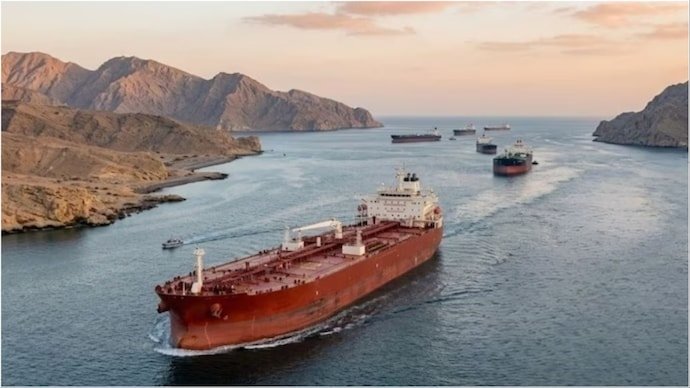
The disruption of key maritime routes, especially the Strait of Hormuz, has emerged as a major concern. Since a significant portion of India’s imports passes through this strategic corridor, prolonged instability could strain industries ranging from Agriculture to manufacturing and trade.
Impact on Agriculture: Rising Fertilizer Costs
India’s agriculture sector is among the most vulnerable to supply chain disruptions stemming from the conflict. Nearly one-third of the country’s chemical fertilizer requirements are sourced from West Asian nations.
Any disruption in supply or shipping routes could lead to reduced availability and higher import costs. This, in turn, would increase the government’s subsidy burden as it attempts to shield farmers from price shocks.
If fertilizer prices rise significantly, farmers may be forced to cut back on usage, potentially resulting in lower crop yields and affecting overall agricultural productivity.
Manufacturing Sector Faces Raw Material Pressure
India’s manufacturing sector is also exposed to risks due to its dependence on imports of key industrial materials from West Asia. Metals such as copper and aluminum play a crucial role in industries like electronics, construction, power, and automobiles.
Between April 2025 and January 2026, India imported nearly $3.4 billion worth of copper, aluminum, and related products from West Asia, accounting for about 18% of total imports in this category.
Any disruption in the supply of these metals could slow down infrastructure projects, increase production costs, and impact industrial output across sectors.
Additionally, India relies on West Asia for approximately 18% of its raw plastic imports. During the first three quarters of FY2026 alone, imports of raw plastic from the region were valued at around $2.4 billion.
Raw plastics are essential for manufacturing a wide range of products, including electronics, automotive components, packaging materials, and household goods. A disruption here could ripple across industries, particularly the fast-moving consumer goods (FMCG) sector.
| Sector | Dependency on West Asia | Potential Impact |
|---|---|---|
| Agriculture | ~33% fertilizer imports | Higher costs, reduced usage, lower crop yields |
| Metals (Copper & Aluminum) | ~18% imports worth $3.4 billion | Increased production costs, slower infrastructure growth |
| Plastics | ~18% imports worth $2.4 billion | Supply disruption in FMCG, packaging, and manufacturing |
| Gems & Jewellery | $7.8 billion imports routed via West Asia | Export slowdown, job losses in processing hubs |
Trade Risks: Gems and Jewellery Sector on Edge
India’s gems and jewellery industry, a major contributor to exports and employment, could also face challenges if the conflict persists. A significant portion of Gold and rough diamonds imported into India passes through West Asian trade routes before reaching processing hubs like Surat.
India imports diamonds, gold, pearls, and other precious stones worth approximately $7.8 billion from the region. Any disruption in this supply chain could affect exports, delay production cycles, and threaten jobs linked to the sector.
Strait of Hormuz: A Critical Chokepoint
The Strait of Hormuz remains a vital artery for global trade, especially for energy and raw materials. For India, its strategic importance goes beyond oil, as it serves as a key transit route for a wide range of imports.
Continued instability or blockages in this region could lead to higher shipping costs, delays, and increased insurance premiums, further amplifying the economic impact on Indian industries.
Looking Ahead: Managing Risk in Uncertain Times
While India has taken steps to diversify its energy sources and strengthen supply chains, the current geopolitical tensions highlight ongoing vulnerabilities. Policymakers may need to explore alternative sourcing strategies, build strategic reserves, and enhance domestic production capabilities.
If the US-Iran conflict continues for an extended period, its effects will likely deepen, placing sustained pressure on multiple sectors of the Indian economy. The situation underscores the importance of resilience and adaptability in navigating global disruptions.
For breaking news and live news updates, like us on Facebook or follow us on Twitter and Instagram. Read more on Latest India on thefoxdaily.com.






COMMENTS 0