- How the Arms Network Operated
- Role of the Arrested Operatives
- Hidden Compartments and Smuggling Techniques
- Weapons Recovered So Far
- Mastermind Shahbaz Ansari: The Man Behind the Network
- Link to International Intelligence Networks
- Potential Threat and Averted Crisis
- Analysis: What This Case Reveals
- Police Action and Ongoing Investigation
- The Bigger Picture: Security in a Changing World
- Conclusion
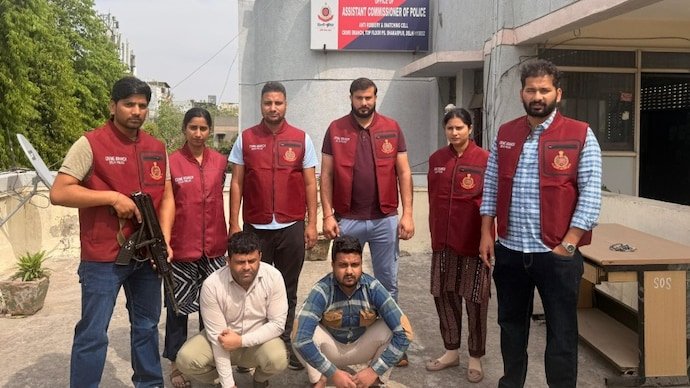
In a significant breakthrough, the Delhi Police Crime Branch has dismantled a suspected ISI-linked international arms smuggling network, arresting two more key operatives and taking the total number of accused in the case to 12. The arrests were made at Indira Gandhi International Airport on April 2, where the suspects were detained based on a lookout circular before being formally taken into custody.
The two individuals, identified as Imran (37) and Mohammad Kamran (27), are believed to be close aides of the absconding mastermind Shahbaz Ansari. According to investigators, both had been actively involved in the network for nearly a year, playing a crucial role in handling logistics, transporting illegal arms, and ensuring safe delivery across different locations in India.
Authorities allege that the weapons were intended to fuel terror activities and create unrest, with potential targets including crowded public spaces, religious gatherings, and festivals. The timely crackdown, officials say, may have prevented a major terror incident.
How the Arms Network Operated
Investigations have revealed a highly sophisticated and multi-layered smuggling route designed to avoid detection and obscure the origin of weapons. According to police, arms were allegedly sourced from Pakistan and then routed through Thailand before being sent to Nepal. This indirect pathway was intended to eliminate any direct link to India.
From Nepal, the weapons were dismantled into smaller parts and smuggled across the border into India using illegal channels. Once inside the country, the components were reassembled and stored at secret locations before being distributed through the network.
This method highlights the evolving nature of arms smuggling operations, where complexity and deception are used to stay ahead of enforcement agencies.
Role of the Arrested Operatives
Imran and Mohammad Kamran were not just minor participants—they were key logistical links in the operation. Police stated that their responsibilities included receiving consignments, transporting them safely, and delivering them to designated contacts.
They were also involved in reassembling dismantled weapons, ensuring that the arms were ready for use upon delivery. This level of involvement suggests a well-organized structure with clearly defined roles.
- Receiving arms shipments from cross-border routes
- Transporting weapons using concealed methods
- Reassembling dismantled firearms
- Coordinating final delivery within the network
Such coordination indicates that the network operated with precision, rather than as a loose collection of individuals.
Hidden Compartments and Smuggling Techniques
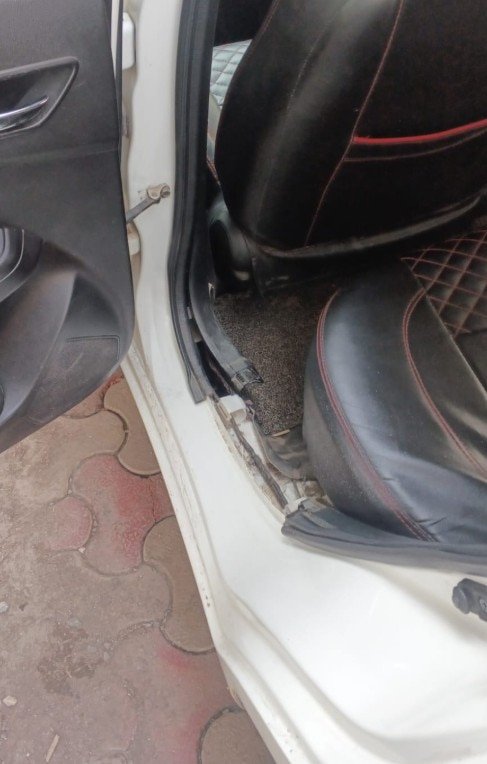
One of the most striking aspects of the investigation is the use of specially designed hidden cavities in vehicles. These compartments were engineered to be nearly undetectable during routine inspections.
Police recovered such concealed spaces in a seized car allegedly used for transporting arms. The level of craftsmanship suggests professional involvement, possibly indicating access to technical expertise.
This tactic reflects a broader trend in Organized Crime: blending innovation with traditional smuggling methods. When vehicles themselves become storage units, detection becomes significantly more challenging.
Weapons Recovered So Far
Based on disclosures made by the accused, authorities have recovered multiple firearms and ammunition. The seizures include:
- .30 bore Chinese pistol
- .32 bore revolver
- 11 cartridges recovered recently
- Earlier seizure of 23 foreign-made weapons
- 211 cartridges and one sub-machine gun
The variety and sophistication of these weapons indicate that the network was not dealing in low-level arms but had access to high-quality, potentially lethal equipment.
| Category | Details |
|---|---|
| Weapon Types | Pistols, revolvers, sub-machine gun |
| Origin | Brazil, Germany, Turkey (as per investigation) |
| Smuggling Route | Pakistan → Thailand → Nepal → India |
| Storage | Hidden cavities in vehicles, secret locations |
Mastermind Shahbaz Ansari: The Man Behind the Network
At the center of the investigation is Shahbaz Ansari, a resident of Bulandshahr in Uttar Pradesh, who is currently on the run. Authorities consider him one of the most wanted arms traffickers in the country.
Investigators believe Ansari maintained direct contact with handlers based in Pakistan and Nepal, coordinating the movement of arms into India. He is also suspected to be hiding in Bangladesh, from where he allegedly continued to manage operations.
His name has surfaced in multiple cases, including allegations of supplying weapons used in high-profile criminal incidents. Officials revealed that he had previously been arrested but later absconded after securing bail on medical grounds.
This raises a critical question: how do individuals involved in such serious networks manage to resume operations after legal proceedings? It points to systemic challenges in monitoring high-risk individuals.
Link to International Intelligence Networks
One of the most serious aspects of the case is the alleged connection to Pakistan’s Intelligence Agency ISI. Officials claim that Ansari was acting under instructions from handlers across the border, indicating that the operation was not just criminal but had potential strategic implications.
If confirmed, such links elevate the case from a law enforcement issue to a matter of National Security. It suggests coordination beyond individual actors, involving cross-border networks and possibly organized support systems.
However, investigations are ongoing, and authorities are working to establish the full extent of these connections.
Potential Threat and Averted Crisis
According to officials, the seized weapons were likely intended for a major terror strike. Potential targets included crowded public areas, religious gatherings, and major events—locations where maximum impact could be achieved.
The timely intervention by law enforcement may have prevented significant loss of life and widespread panic. This aspect of the case highlights the importance of intelligence-led policing and proactive action.
In simple terms, this was not just about illegal arms—it was about what those arms could have been used for.
Analysis: What This Case Reveals
The busting of this network offers several insights into the evolving nature of security threats:
- Global networks: Smuggling operations now span multiple countries
- Advanced concealment: Technology and engineering are being used to evade detection
- Structured operations: Clear roles and coordination indicate organized systems
- Security challenges: Monitoring cross-border movements remains complex
It also highlights the increasing overlap between organized crime and national security concerns. What begins as smuggling can quickly escalate into a larger threat when linked to terror activities.
And here’s a practical observation: criminals are becoming more innovative, which means enforcement agencies must become even more adaptive. It’s a constant race—and neither side can afford to slow down.
Police Action and Ongoing Investigation
The Delhi Police Crime Branch has intensified its efforts to track down Shahbaz Ansari and dismantle the remaining network. Interrogations of the arrested individuals are ongoing, and officials expect further revelations in the coming days.
Authorities have invoked the Unlawful Activities (Prevention) Act (UAPA) against all accused, reflecting the seriousness of the case. This legal framework allows for stricter measures in dealing with cases involving terror-related activities.
Investigators are also working to identify additional operatives, financial links, and logistical support systems connected to the network.
The Bigger Picture: Security in a Changing World
This case serves as a reminder of the complex challenges faced by law enforcement in today’s interconnected world. Borders are no longer barriers in the traditional sense—networks can operate across countries with relative ease.
For citizens, it reinforces the importance of vigilance and trust in institutions. For authorities, it underscores the need for continuous improvement in intelligence gathering, coordination, and response.
Ultimately, preventing such networks requires a combination of technology, strategy, and cooperation—both within the country and internationally.
Conclusion
The Delhi Police’s crackdown on the alleged ISI-linked arms racket marks a significant step in countering organized smuggling and potential terror threats. The arrest of key operatives and recovery of weapons highlight the scale and seriousness of the network.
While the operation has disrupted a major Supply Chain, the search for mastermind Shahbaz Ansari continues. As investigations progress, more details are expected to emerge, shedding light on the full extent of the network.
For now, the case stands as both a warning and a reassurance—a warning about evolving threats, and a reassurance that timely action can make a critical difference.
For breaking news and live news updates, like us on Facebook or follow us on Twitter and Instagram. Read more on Latest India on thefoxdaily.com.






COMMENTS 0