Amid escalating geopolitical tensions in the Middle East, the Indian government has indicated that there are currently no plans to increase retail prices of petrol and diesel. According to government sources cited by Reuters, India‘s fuel reserves are steadily rising, providing a buffer against potential supply disruptions caused by the ongoing regional conflict.
While Global energy markets remain volatile due to the conflict involving Iran and its impact on shipping routes and energy infrastructure, officials have reassured that India’s domestic fuel supply remains stable. The country’s strategic petroleum reserves and ongoing crude oil shipments are helping maintain adequate stock levels.
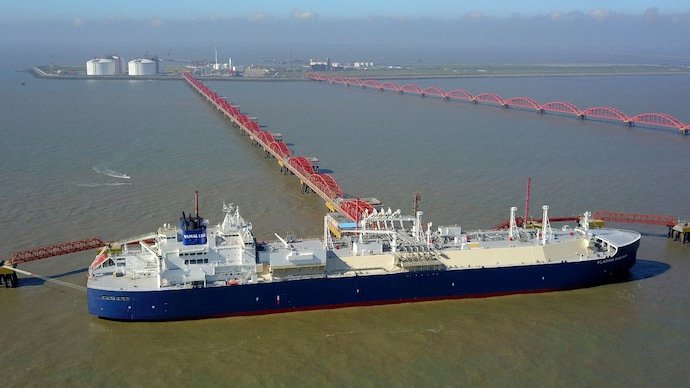
However, the government is keeping alternative options open to ensure energy security. Sources suggested that India may consider purchasing liquefied natural gas (LNG) from Russia if such supplies become available in the near future.
India’s Fuel Stocks Continue to Rise
According to officials familiar with the matter, India’s petroleum reserves have been increasing steadily despite uncertainties in global supply chains. These growing reserves are helping shield the country from sudden supply shocks triggered by the geopolitical crisis in West Asia.
Government sources told Reuters that fuel inventories are rising “day by day,” reducing the immediate risk of shortages in the domestic market. This stability has allowed authorities to avoid raising retail fuel prices despite rising international crude oil rates.
The United States recently granted a temporary 30-day waiver that allows refiners to purchase certain Russian crude cargoes that were already stranded at sea. This development has opened the possibility for India to explore additional energy imports from Russia if required.
Officials noted that such purchases could help stabilize domestic supply and maintain affordable fuel prices if disruptions to Middle Eastern oil routes worsen.
Indian Oil Secures Additional Crude Shipments
To further strengthen the country’s energy supply, Indian Oil Corporation (IOC) has reportedly scheduled multiple shipments of crude oil from Yanbu, one of Saudi Arabia’s major oil export hubs.
These shipments are expected to support domestic refineries and ensure that India’s fuel production remains uninterrupted even as international markets face turbulence.
For now, the government has maintained that petrol and diesel retail prices will remain unchanged, offering relief to consumers already facing broader inflationary pressures.
Domestic LPG Prices Rise by Rs 60
While petrol and diesel prices remain stable, the cost of domestic LPG cylinders has increased due to rising global energy costs linked to the ongoing crisis in West Asia.
On Saturday, authorities announced a Rs 60 increase in the price of household LPG cylinders. Additionally, commercial LPG cylinders used by restaurants and businesses have become approximately Rs 115 more expensive.
Following the price revision, the cost of a 14.2 kg non-subsidised LPG cylinder used by most households has risen to Rs 913 in Delhi, according to data published on the Indian Oil Corporation website.
The revised LPG prices came into effect on March 7, reflecting the upward pressure on global energy costs caused by supply uncertainties.
| Fuel Type | Price Change | Current Status | Reason |
|---|---|---|---|
| Petrol | No change | Retail prices remain stable | Growing fuel reserves and controlled supply |
| Diesel | No change | No immediate hike planned | Government monitoring global markets |
| Domestic LPG (14.2 kg) | Increase of Rs 60 | Rs 913 per cylinder in Delhi | Rising global energy costs |
| Commercial LPG | Increase of about Rs 115 | Higher operating cost for businesses | International supply disruptions |
Global Energy Markets Under Pressure
The ongoing conflict involving Iran has begun to significantly impact global energy markets. Analysts warn that prolonged instability in the region could lead to further disruptions in oil and gas supply chains.
Even if hostilities ease soon, the damage to infrastructure, heightened security risks, and delays in shipping could keep energy prices elevated for an extended period.
One of the most sensitive areas affected by the crisis is the Strait of Hormuz, a strategic maritime route through which a large share of the world’s oil and gas supplies passes every day.
Recent attacks on ships and energy facilities near this critical passage have raised concerns among global markets. As a result, international crude oil prices have surged above $90 per barrel, marking a sharp weekly increase.
Asian Economies Face Supply Uncertainty
The impact of the disruption is being felt particularly strongly across Asia, where many countries depend heavily on oil imports from the Middle East.
Several nations are experiencing rising fuel costs and growing supply uncertainty. Some refineries in the region have reportedly scaled back operations due to fluctuating crude availability and rising prices.
Governments and energy companies across Asia are now actively exploring alternative supply sources and building additional reserves in an effort to secure long-term fuel stability.
As geopolitical tensions continue to influence global markets, India and other major energy-importing countries are closely monitoring the situation while adjusting their strategies to maintain stable fuel supplies for domestic consumers.
For breaking news and live news updates, like us on Facebook or follow us on Twitter and Instagram. Read more on Latest India on thefoxdaily.com.






COMMENTS 0