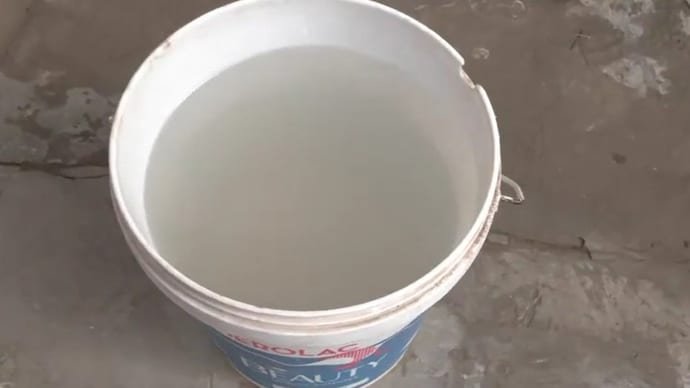
At least 12 deaths, including five schoolchildren, have been reported in the past 15 days in Chayansa village of Palwal district, Haryana, triggering alarm among residents and prompting an urgent Public health investigation. Authorities are examining whether contaminated drinking water may be linked to the sudden fatalities, although officials say the exact cause of death remains under investigation.
According to villagers, the crisis began nearly two weeks ago when three people died following a brief but severe illness. Since then, the number of deaths has steadily increased, with families across the village reporting similar symptoms including fever, persistent cough, body aches, vomiting, and weakness. Several residents remain in critical condition and have required repeated hospital admissions.
Health Department Launches Mass Screening and Sample Collection
Medical teams from the Haryana Health Department have been stationed in the village, conducting door-to-door health screenings and collecting blood samples from hundreds of residents. Officials confirmed that investigations began on February 1, with both medical histories and environmental samples being examined.
Out of approximately 300 blood samples tested so far, only two cases have confirmed Hepatitis B or Hepatitis C infection. In total, more than 400 villagers have undergone preliminary medical screening. While some fatalities were linked to liver infections and multi-organ failure, health authorities have clarified that not all deaths have shown identical clinical findings.
Simultaneously, drinking water quality tests have been initiated. Of the 107 household water samples collected, 23 failed quality checks due to bacterial contamination and inadequate chlorination levels in stored water. These findings have intensified concerns over possible Waterborne diseases, though officials caution that a direct causal link has not yet been established.
Village Relies on Multiple Water Sources
Chayansa, a village with a population of nearly 5,000 residents, depends on a mix of water sources. These include limited municipal supply, underground household storage tanks, privately arranged tanker water, and reverse osmosis (RO) treated water sourced from nearby Hithin town.
Many households store water in underground tanks that are refilled irregularly. Public health experts note that inadequate cleaning of storage systems, poor chlorination practices, and inconsistent supply can create conditions conducive to bacterial growth. However, investigators have not yet conclusively determined whether these factors directly caused the recent deaths.
Villagers have also questioned why Hepatitis B and C have been cited in only a few cases, while other fatalities have reportedly involved liver complications and multi-organ failure. This variation has raised broader concerns about possible exposure to contaminated water or other environmental triggers.
ECHOES OF WIDER WATER CRISES: LESSONS FROM INDORE
Public health observers have drawn parallels between the Chayansa situation and previous water contamination crises in India. In late 2025, Indore — frequently ranked among the country’s cleanest cities — faced a significant outbreak linked to contaminated drinking water.
Residents of Indore’s Bhagirathpura locality had complained about foul-smelling and discolored tap water in December, shortly before a surge in vomiting and diarrhoea cases. Laboratory tests later confirmed bacterial contamination after sewage reportedly seeped into a drinking water pipeline due to structural leakage. The incident led to widespread hospitalisations, multiple fatalities, and administrative action against civic officials.
Health commentators at the time noted that complaints about water quality had been raised for years but were not addressed decisively, underscoring systemic vulnerabilities in urban water infrastructure management.
Growing Concerns in Delhi and Noida
Similar concerns have emerged in parts of the National Capital Region (NCR). In Noida’s Sector 29, residents of Brahmaputra Apartments recently reported flies, insects, and sediment in supplied water. Several families experienced diarrhoeal symptoms, raising fears of contamination.
In Delhi, ageing water pipelines and sewage infrastructure have repeatedly been flagged as potential public health risks. Internal reports and citizen complaints in some zones have pointed to possible instances of sewage mixing with potable water, although authorities typically address such cases on a localized basis.
Experts Call for Stronger Water Monitoring and Rapid Response
Public health specialists emphasize that recurring incidents across different states highlight the urgent need for stricter oversight of drinking water systems. Recommendations include:
- Regular testing of municipal and stored water supplies
- Routine chlorination and tank cleaning
- Improved pipeline maintenance and leak detection
- Faster emergency response to community complaints
- Transparent public communication during health investigations
In the case of Chayansa village, health officials have reiterated that investigations are ongoing and that laboratory results are still being evaluated. Authorities have urged residents to boil water before consumption as a precautionary measure until final findings are available.
As families await clarity, the incident has once again placed the spotlight on rural water infrastructure, public health preparedness, and the critical importance of safe drinking water in preventing disease outbreaks.
For breaking news and live news updates, like us on Facebook or follow us on Twitter and Instagram. Read more on Latest India on thefoxdaily.com.





COMMENTS 0