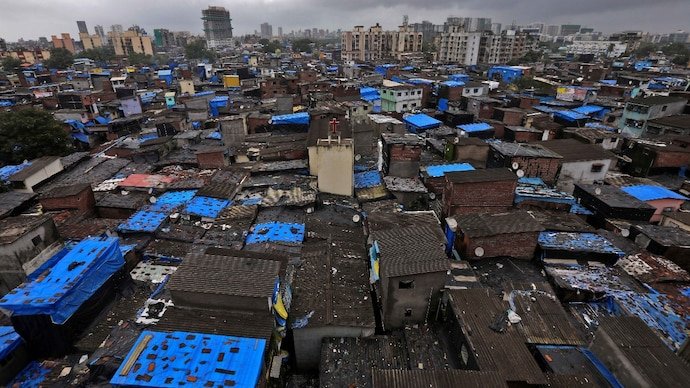
In Mumbai — the city of dreams where even gutters are said to glitter with opportunity — poverty has quietly become a commodity. Nowhere is this more visible than in Dharavi, one of the world’s largest informal settlements, where “gareebi darshan” (poverty tours) are being sold to dollar-rich foreign visitors for as much as Rs 15,000 per person for a two-hour walk.
Slum tourism is not new to India. For decades, structured tours have taken visitors through narrow lanes to understand migration, informal economies and survival stories. But what has changed is the pricing, the packaging, and who controls the narrative. Today, both affluent visitors and some local residents are profiting from this growing cottage industry — walking a thin line between context and commodification.
Rs 15,000 for Two Hours: The New Price of ‘Exposure’
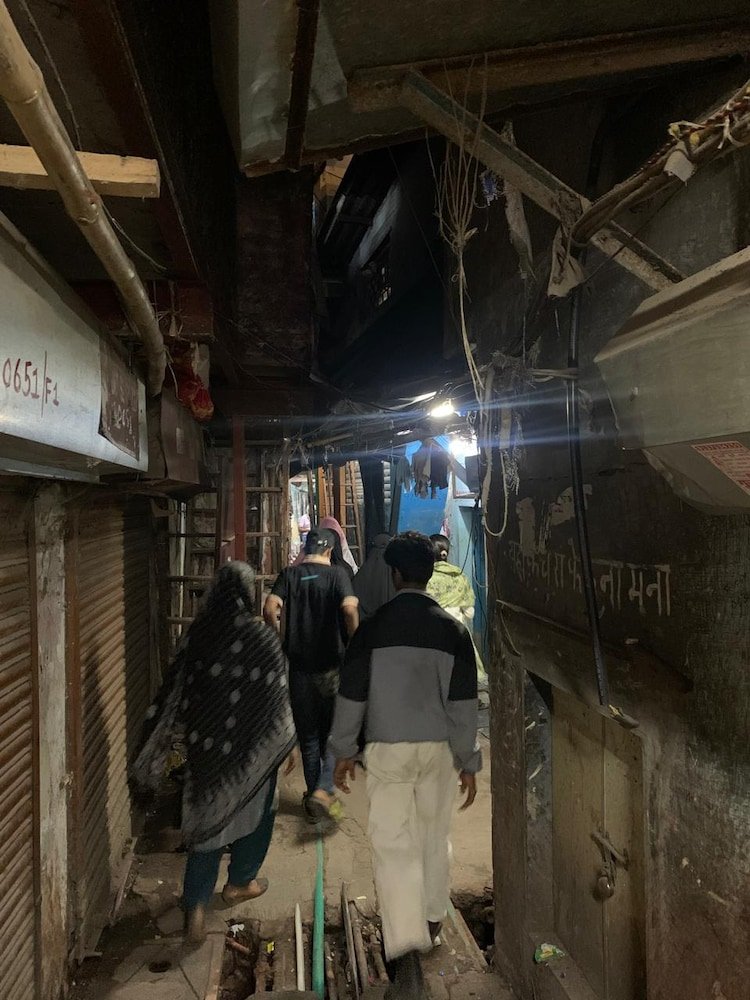
During a recent visit to Dharavi’s labyrinth of alleys, a group of European tourists appeared unexpectedly while local residents were being interviewed. They were accompanied by a guide — a Dharavi native named Omkar Dhamale.
When asked about his fee, Dhamale responded without hesitation: “Per person, Rs 15,000.” With five foreigners in his group, he stood to earn Rs 75,000 for a single two-hour tour.
For comparison, Indian visitors are charged significantly less — between Rs 1,500 and Rs 7,000 — roughly half of what foreign tourists pay.
| Visitor Type | Average Charge (Per Person) | Duration |
|---|---|---|
| Foreign Tourist | Rs 15,000 | Approx. 2 Hours |
| Indian Visitor | Rs 1,500 – Rs 7,000 | Approx. 2 Hours |
| Group of 5 Foreigners | Rs 75,000 Total | Single Walk |
Dhamale, who grew up in Dharavi and completed his Class 12 Education, sees the practice as practical economics. “Gore logon ko jhopadpatti pehli baar dekhne ko milta hai idhar. Apna ghar dikha kar paisa milta hai, kaayko nahi dikhayein?” he says — If white visitors get to see shanties for the first time here, and we earn by showing them our homes, why not?
From Crime Underbelly to Corporate Tours
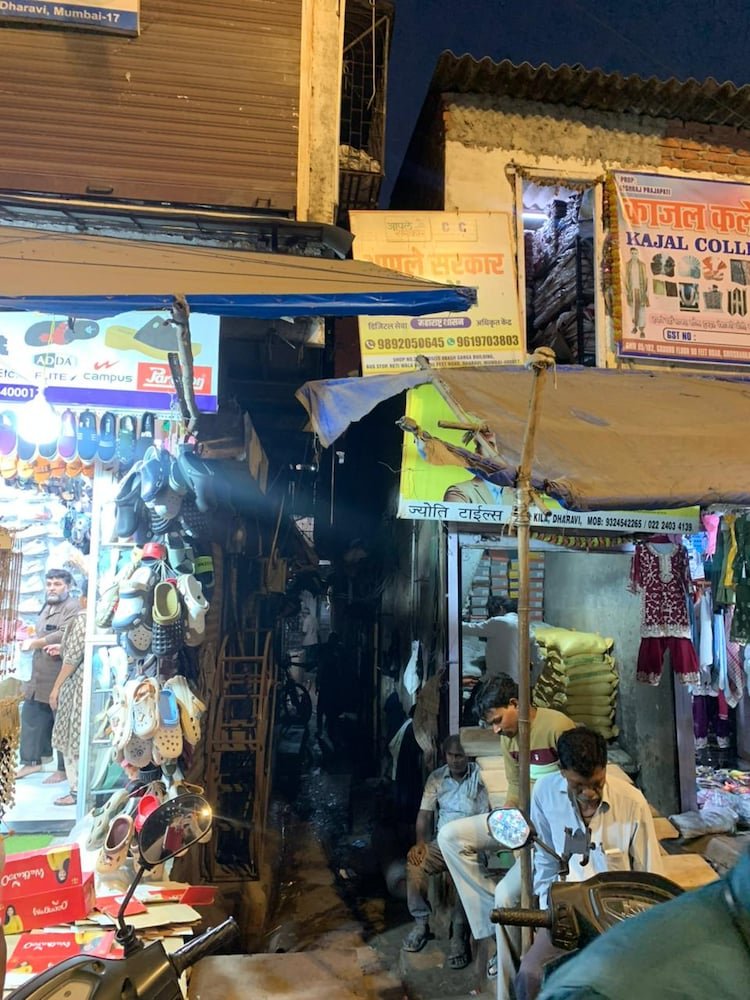
Dharavi’s reputation has long been layered. Once associated with underworld figures like Varadarajan Mudaliar, the area today is better known for its billion-dollar informal economy — leather workshops, pottery clusters in Kumbharwada, garment units, recycling hubs and food businesses operating from single-room factories.
The leather market remains a popular stop for tourists. But beyond that visible stretch lies a dense maze of lanes barely three feet wide — areas even many Mumbaikars hesitate to enter. For foreign visitors, this unfamiliar terrain holds fascination. For locals, it is simply home and workplace.
Slum Tourism: Context or Commodification?
The idea of structured Dharavi tours gained global attention in 2005 when Reality Tours, founded by Chris Way and Krishna Pujari, began offering curated walks with a social mission. The aim was to fund local Students’ education and reinvest profits into community development.
Over time, however, the model expanded. According to Bharat Gothoskar, founder of Khaki Tours, what began as structured, contextual storytelling has evolved into a loosely regulated cottage industry.
“We avoided Dharavi tours for years,” Gothoskar recalls. “It felt like straightforward poverty tourism — people coming to ‘see poor people’.”
His perspective shifted after personally experiencing a walk. “It’s not just about poverty,” he says. “It’s about migration, religion, industry, geography — and resilience.”
Beyond the ‘Poverty Lens’
Contrary to common perception, many homes in Dharavi have air conditioners. Residents often choose cramped housing over distant suburbs like Virar or Badlapur because of proximity to work and shorter commutes. The settlement operates as a complex, self-sustaining ecosystem.
One of the most surprising aspects for foreign visitors, Gothoskar notes, is the recycling economy — where raddiwallahs pay residents for waste collection without state intervention. Such systems, however, require explanation and nuance.
“A local voice explains one layer; a trained interpreter adds another,” he explains, drawing comparisons with informal settlements in Brazil and other global cities.
The Ethics of the Lens
Consent remains one of the most contentious issues. While some guides insist on asking permission before photographs are taken, others are less cautious.
When asked whether he sought consent before foreigners photographed locals, one guide casually responded, “Apne log hain… Sab chalta hai.” (They are our people. It’s fine.)
But residents often disagree. Several locals have refused photographs, wary of being reduced to stereotypes of misery. Entire enclaves have occasionally barred tourists after homes were photographed without permission.
In Kumbharwada, elderly women frequently object to being photographed. Visitors are encouraged to photograph pottery, not the potter.
Who Benefits — And At What Cost?
For some young Dharavi residents, guiding tourists provides financial mobility. “Uska ghar chalta hai is’se,” one local remarked — his household runs because of this income. What can we say?
At the same time, critics argue that when the privileged curate poverty for other privileged audiences without full context, it risks turning lived hardship into spectacle.
Dharavi’s tours today reflect both hustle Culture and industrial spirit. Whether future redevelopment projects will preserve this ecosystem — or displace the very guides who now earn from it — remains uncertain.
A Thin Line Between Intrusion and Interpretation
The debate ultimately circles back to intention and execution. Are these tours educational, or voyeuristic? Are they empowering locals, or commodifying their circumstances?
In Mumbai, where survival and Entrepreneurship often blur into each other, even poverty has found a price tag. In Dharavi, that price – for some – is Rs 15,000 for two hours of curated reality.
For breaking news and live news updates, like us on Facebook or follow us on Twitter and Instagram. Read more on Latest India on thefoxdaily.com.




COMMENTS 0