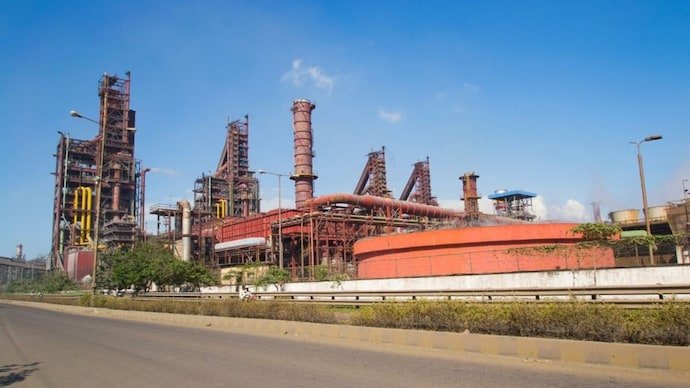
The Gujarat government’s decision to cut gas supply to industries by 50% has begun to severely impact manufacturing clusters across the state. The move, intended to prioritise domestic LPG (liquefied petroleum gas) availability for households, comes amid tightening energy supplies caused by the ongoing geopolitical crisis in West Asia.
A significant portion of India’s oil and gas imports passes through the Strait of Hormuz, a crucial maritime route currently affected by rising tensions in the region. Disruptions in shipments of liquefied natural gas (LNG) have forced authorities to take precautionary measures to ensure uninterrupted fuel supply for residential consumers.
Gujarat Energy Minister Rushikesh Patel confirmed that the state had reduced gas supply to industries by half to safeguard domestic consumption.
“We have reduced the amount of gas supplied to companies by 50%. A 40% cut is made for the processing of milk and fertilizer. This is to ensure that there is no disruption for domestic gas users,” Patel said.
Force Majeure Declared on Gas Supply
The restrictions came into effect after state-run Gujarat Gas declared force majeure on March 4 due to supply disruptions. The curbs were implemented on March 6, affecting thousands of industrial, commercial, and transport sector users across the state.
Gujarat Gas supplies approximately 9.5 million metric standard cubic metres per day (mmscmd) of piped natural gas (PNG) and compressed natural gas (CNG) to industries, businesses, and more than 800 CNG stations.
| Gas Supply Data in Gujarat | Details |
|---|---|
| Total Supply | 9.5 mmscmd of PNG and CNG |
| Industrial Gas Cut | 50% reduction |
| Milk & Fertilizer Processing | 40% reduction |
| CNG Stations | More than 800 across the state |
Morbi Ceramic Industry Hit Hard
The ceramic manufacturing hub of Morbi, one of the world’s largest tile clusters, has been among the worst affected.
Morbi produces nearly 90% of India’s ceramic tiles and is home to more than 1,200 manufacturing units. These factories rely heavily on natural gas and propane to operate high-temperature kilns.
According to industry representatives, around 170 ceramic units in the region have temporarily shut down following the reduction in gas supply. Many others are running at reduced capacity to conserve fuel while fulfilling existing orders.
The sector supports between 600,000 and 700,000 workers directly and indirectly, including a large number of migrant labourers involved in manufacturing, packaging, transport, and logistics.
Even short-term shutdowns could disrupt incomes for thousands of daily wage workers.
Chemical and Manufacturing Units Slow Down
The impact of gas shortages is also visible in Gujarat’s chemical manufacturing clusters.
In the Vatva industrial area near Ahmedabad, more than 250 chemical factories that depend on piped natural gas have reported operating at only around 40% of their installed capacity.
Reduced production has already begun affecting market prices. Industry officials report that prices of certain basic chemicals and intermediates used in textile manufacturing have increased by 30–40% due to reduced supply.
| Affected Industrial Clusters | Impact |
|---|---|
| Morbi Ceramic Cluster | 170 factories temporarily closed |
| Vatva Chemical Hub | Operating at around 40% capacity |
| Sanand Industrial Belt | Auto component production slowdown |
Automotive Supply Chains at Risk
Industrial parks in Sanand and Hansalpur, which host major automobile suppliers, are also facing disruptions due to reduced gas availability.
The Sanand region alone has more than 600 auto-component manufacturers supplying parts to major automobile plants, including the Maruti Suzuki facility in Mehsana and the Tata Motors plant in Sanand.
Industry estimates suggest that the broader ecosystem supports between 80,000 and 100,000 direct and indirect jobs.
If production slows further, delays in component supply could ripple through the automotive industry and affect vehicle manufacturing schedules.
Hospitality Sector Feeling the Pressure
Gas shortages are not only affecting large industries but also smaller businesses in cities such as Ahmedabad, Surat, and Rajkot.
Restaurants, food vendors, and hotels that depend on commercial LPG cylinders are experiencing difficulties in maintaining operations.
Many small eateries and street food vendors have reduced their menus, while some have temporarily shut down due to rising fuel costs and limited gas availability.
Reports indicate that commercial gas cylinders are being sold on the black market for as much as Rs 3,000, putting additional pressure on small businesses operating with thin profit margins.
Some vendors have switched to electric induction stoves as a temporary solution, but the transition is difficult for businesses designed around traditional gas-based cooking.
Industry Warns of “Pandemic-Like” Economic Stress
Industry leaders warn that if supply disruptions continue, Gujarat’s manufacturing economy could face a crisis similar to the economic disruptions seen during the COVID-19 pandemic.
Employment concerns are especially serious in industrial clusters where migrant labour forms a large part of the workforce. Extended production cuts could lead to layoffs or unpaid leave for thousands of workers.
Gujarat accounts for nearly 28.5% of India’s industrial piped natural gas connections, making the state particularly vulnerable to gas supply disruptions.
Government Calls It a Temporary Measure
For now, state authorities insist the restrictions are a precautionary measure aimed at protecting household LPG supply and preventing panic among consumers.
However, industry associations warn that if the geopolitical crisis continues and energy imports remain disrupted, Gujarat’s manufacturing sector could face a deeper slowdown.
Such a downturn could have wider economic consequences, affecting exports, supply chains, and employment across several key industrial regions of India.
For breaking news and live news updates, like us on Facebook or follow us on Twitter and Instagram. Read more on Latest India on thefoxdaily.com.






COMMENTS 0