- The Maritime Tradition: Captain Goes Down With the Ship
- Rare Torpedo Sinkings in Modern Naval Warfare
- The 1971 War and Naval Operations in the Arabian Sea
- INS Khukri vs PNS Hangor: A Battle Between Hunter and Submarine
- The Hunt for Hangor
- The Torpedo Strike That Sank INS Khukri
- Captain Mahendra Nath Mulla's Final Moments
- Casualties and Rescue
- A Somber but Heroic Chapter in Indian Naval History
Naval warfare has once again entered global discussion after the reported torpedo attack on the Iranian warship IRIS Dena by a submarine. Such incidents are extremely rare in modern times. In fact, since World War II, only a handful of warships have been sunk by submarine-launched torpedoes. Among them was the Indian Navy frigate INS Khukri, which went down during the 1971 Indo-Pakistan War.
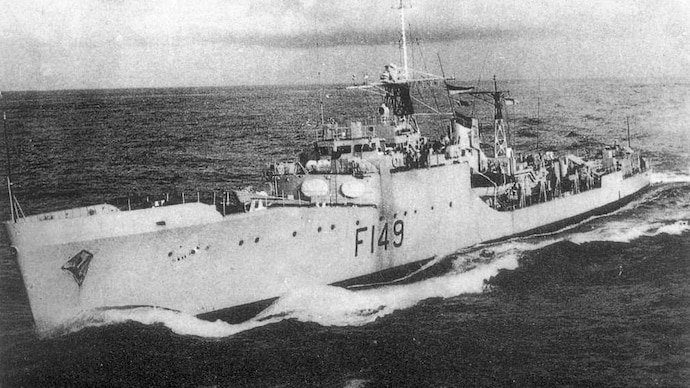
The sinking of INS Khukri is remembered not only for the devastating loss of life but also for the extraordinary courage shown by its commanding officer, Captain Mahendra Nath Mulla. Upholding a long-standing maritime tradition, the captain chose to remain on board as his ship sank beneath the Arabian Sea, ensuring his sailors had every chance to escape.
The Maritime Tradition: Captain Goes Down With the Ship
For centuries, naval tradition has emphasized that the captain is ultimately responsible for the safety of a ship and its crew. According to this custom, if a vessel is sinking, the captain stays on board until every possible life has been saved—even if it means sacrificing his own life.
On the night of December 9, 1971, Captain Mahendra Nath Mulla embodied this principle while commanding INS Khukri. After the frigate was struck by a torpedo fired from the Pakistani submarine PNS Hangor, he calmly supervised evacuation efforts and refused to abandon his ship.
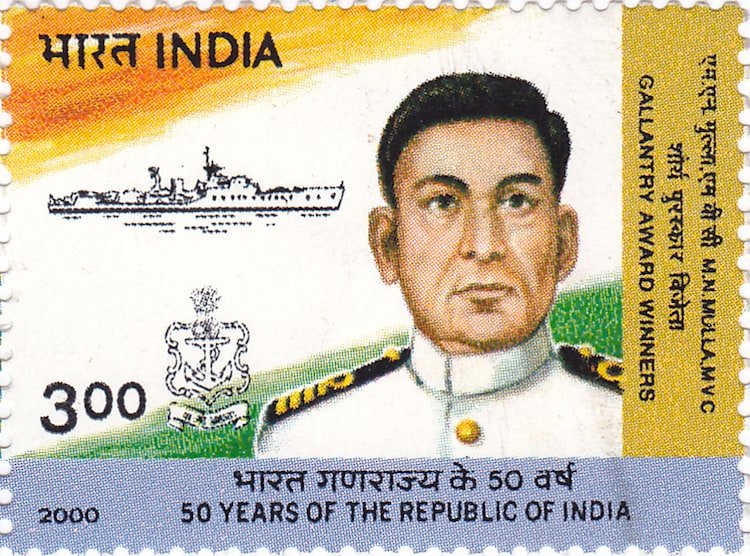
His bravery later earned him the Maha Vir Chakra, India‘s second-highest wartime gallantry award, awarded posthumously.
Rare Torpedo Sinkings in Modern Naval Warfare
Modern naval combat rarely sees warships destroyed by torpedoes due to advanced detection systems and defensive technologies. However, a few incidents since World War II stand out for their significance.
| Warship | Country | Year | Attacker | Result |
|---|---|---|---|---|
| INS Khukri | India | 1971 | PNS Hangor (Pakistan submarine) | Sunk during Indo-Pak War |
| ARA General Belgrano | Argentina | 1982 | HMS Conqueror (UK submarine) | Sunk during Falklands War |
| Cheonan | South Korea | 2010 | Alleged North Korean torpedo | Sank with heavy casualties |
| IRIS Dena | Iran | 2026 | US submarine (reported) | Sunk in Indian Ocean |
Among these, the loss of INS Khukri remains the only instance where an Indian Navy ship was sunk in combat.
The 1971 War and Naval Operations in the Arabian Sea
The sinking of INS Khukri occurred during the 1971 Indo-Pakistan War, a conflict that eventually led to the creation of Bangladesh. While most battles were fought in East Pakistan (now Bangladesh), the Arabian Sea also became an important theatre of war.
The Indian Navy launched a series of bold operations aimed at crippling Pakistan’s naval capabilities and preventing reinforcements from reaching the eastern front.
Operation Trident
On the night of December 4–5, 1971, the Indian Navy launched Operation Trident, one of its most successful naval strikes. A strike group consisting of missile boats and support vessels attacked the port city of Karachi, Pakistan’s main naval base.
The strike group included:
- INS Nipat
- INS Nirrghat
- INS Veer
- INS Kiltan
- INS Katchall
Armed with Soviet-made Styx anti-ship missiles, the squadron destroyed several Pakistani vessels, including destroyers and a minesweeper. The attack also set fire to the Kemari oil storage facility, causing massive damage.
Operation Python
Just days later, on December 8–9, the Indian Navy carried out another strike known as Operation Python. This mission involved missile boat INS Vinash supported by the frigates INS Trishul and INS Talwar.
The operation inflicted further damage on Karachi port, sinking merchant ships and destroying vital fuel storage infrastructure.
INS Khukri vs PNS Hangor: A Battle Between Hunter and Submarine
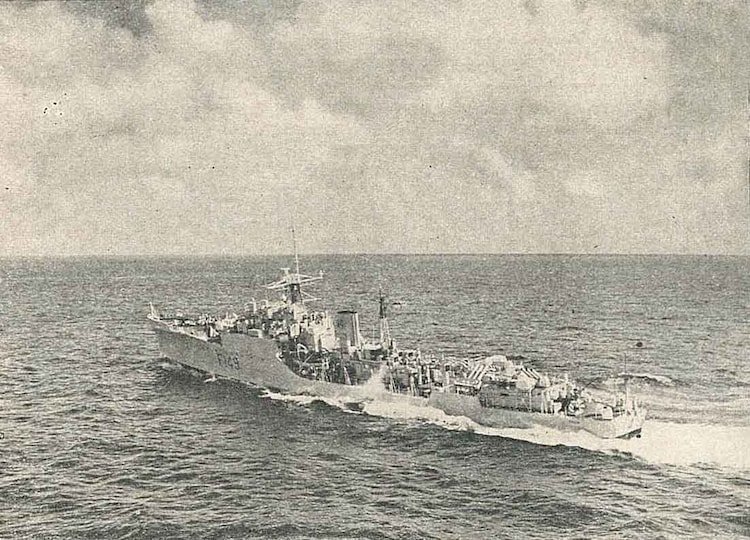
INS Khukri was a Type-14 Blackwood-class frigate designed primarily for anti-submarine warfare. Originally built for the British Royal Navy in the 1950s, several ships of this class were later acquired by India.
India commissioned three Blackwood-class frigates:
- INS Khukri
- INS Kirpan
- INS Kuthar
These ships were equipped with sonar systems, anti-submarine mortars, and Bofors anti-aircraft guns. However, they were lightly armed compared to modern warships.
On the opposing side was PNS Hangor, a French-built Daphne-class diesel-electric submarine acquired by Pakistan in 1967. Compared to the aging Blackwood-class frigates, the Daphne-class submarines were more modern and carried multiple torpedo tubes capable of launching guided torpedoes.
| Specification | INS Khukri | PNS Hangor |
|---|---|---|
| Type | Blackwood-class frigate | Daphne-class submarine |
| Primary Role | Anti-submarine warfare | Submarine attack operations |
| Weapons | ASW mortars, depth charges, guns | Torpedoes |
| Era of Design | 1950s | 1960s |
| Speed (approx) | Reduced to 12 knots during sonar testing | High stealth underwater |
The Hunt for Hangor
Indian Naval Intelligence detected the presence of PNS Hangor near the Gujarat coast in early December 1971. The task of locating and destroying the submarine was assigned to the 14th Frigate Squadron.
The squadron originally consisted of three ships:
- INS Khukri
- INS Kirpan
- INS Kiltan
However, INS Kiltan was undergoing repairs at the time, leaving only Khukri and Kirpan to track down the Pakistani submarine.
INS Khukri was testing an upgraded indigenous sonar system during the mission, which required the ship to operate at a reduced speed of about 12 knots. This limitation would later prove critical during the encounter.
The Torpedo Strike That Sank INS Khukri
On the evening of December 9, 1971, PNS Hangor detected the Indian frigates and fired a torpedo at INS Kirpan around 7:57 PM. Fortunately for the Indian ship, the torpedo malfunctioned.
INS Kirpan immediately responded by launching anti-submarine mortars toward Hangor’s suspected position.
Meanwhile, Captain Mulla ordered INS Khukri to close in and attack the submarine with depth charges and mortars. The Pakistani submarine then changed its target.
At approximately 8:45 PM, Hangor fired another homing torpedo—this time aimed at INS Khukri.
The torpedo struck beneath Khukri’s fuel tanks, causing a massive explosion. The damage was catastrophic, and the ship began sinking rapidly.
Reports suggest that the frigate went down in less than two minutes.
Captain Mahendra Nath Mulla’s Final Moments
As the ship began to sink, Captain Mulla calmly ordered the crew to abandon ship. He personally helped sailors reach lifeboats and rafts and instructed his officers to ensure as many men as possible escaped.
According to survivors, he refused to wear a life jacket and encouraged his crew to save themselves.
His final words reportedly urged his men not to worry about him and focus on escaping the sinking vessel.
Survivors later recalled seeing the captain sitting calmly on the bridge, smoking a cigarette as the ship disappeared beneath the waves.
Casualties and Rescue
The sinking of INS Khukri resulted in a devastating loss of life. Out of the crew, 194 sailors, including Captain Mulla, perished in the incident.
Only 67 crew members survived and were rescued the following morning by INS Kirpan and INS Katchall.
The Indian Navy launched an extensive anti-submarine hunt involving warships, aircraft, and helicopters such as Sea King ASW helicopters. However, PNS Hangor managed to evade detection and survived the war.
A Somber but Heroic Chapter in Indian Naval History
The loss of INS Khukri remains a deeply emotional moment in the history of the Indian Navy. It highlights the lethal effectiveness of submarines in naval warfare and the unpredictable nature of sea battles.
Yet the story is also remembered for extraordinary courage. Captain Mahendra Nath Mulla’s decision to stay with his sinking ship remains one of the most powerful examples of leadership and sacrifice in India’s military history.
More than five decades later, the bravery displayed during the final moments of INS Khukri continues to inspire generations of naval officers and stands as a lasting tribute to the sailors who gave their lives in service of the nation.
For breaking news and live news updates, like us on Facebook or follow us on Twitter and Instagram. Read more on Latest India on thefoxdaily.com.

COMMENTS 0