- Recent Incidents: Setbacks or Warning Signs?
- The Big Question: Did HAL Build a “Dud”?
- Structural Challenges: Too Many Silos
- The Engine Problem: A Critical Weak Link
- Production Delays: The Numbers Game
- What Tejas Has Actually Achieved
- Comparison with Legacy Aircraft
- Analysis: Delay vs Development
- The Road Ahead: Mk1A and Beyond
- Conclusion
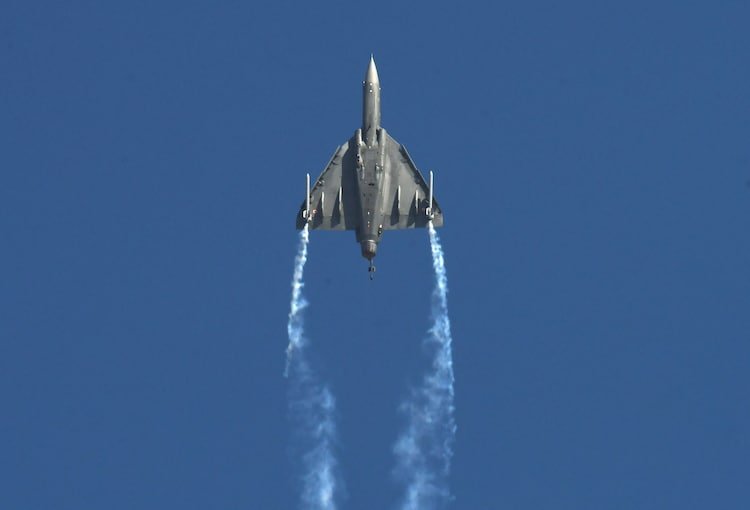
India’s indigenous Light Combat Aircraft (LCA) Tejas is set to return to the skies after a two-month grounding following a February incident involving a hard landing. The pilot ejected safely, but the aircraft suffered severe damage and was reportedly written off. This marked the third major incident involving Tejas in under two years, reigniting a long-standing debate: has Hindustan Aeronautics Limited (HAL) spent decades and thousands of crores on a flawed fighter jet?
The grounding of the fleet-comprising around 34 aircraft-came at a time when the Indian Air Force (IAF) is already facing a shortage of fighter squadrons. With numbers hovering around 30–32 against a sanctioned strength of 42, the absence of Tejas raised concerns about operational readiness, especially amid rising geopolitical tensions.
Now, with HAL confirming that technical issues have been addressed and the fleet is cleared to resume operations, the focus shifts from immediate concerns to a broader evaluation of the programme’s journey, challenges, and achievements.
Recent Incidents: Setbacks or Warning Signs?
The February 2026 incident is part of a series of setbacks that have drawn attention to the Tejas programme. A crash in 2024 linked to engine fuel feed issues and another incident during an air show in 2025 added to the scrutiny.
However, experts caution against drawing sweeping conclusions from these events. Until March 2024, the Tejas fleet had accumulated over 50,000 accident-free flying hours-a significant benchmark for any modern fighter aircraft.
In Military aviation, especially during early operational phases, such incidents are not uncommon. They are often part of what experts call “teething troubles,” particularly for platforms integrating advanced technologies for the first time.
As one expert bluntly put it, comparing today’s concerns with historical context:
“Decades ago, losing multiple aircraft annually was not unusual. What matters is how systems evolve and improve over time.”
The Big Question: Did HAL Build a “Dud”?
The criticism surrounding Tejas is not new. The programme, first conceptualized in the early 1980s, has faced decades of delays, cost overruns, and production bottlenecks. For critics, the timeline alone raises concerns.
But experts argue that this perception is misleading.
Serious development work began only in the 1990s, with the first flight achieved in 2001 and full operational clearance coming in 2019. This timeline, while long, is comparable to other global fighter development programmes, especially considering the technological challenges and external constraints faced by India.
Sanctions following nuclear tests in 1998 cut off access to critical technologies, forcing Indian engineers to develop solutions domestically-a process that inevitably extended timelines but also built long-term capabilities.
Structural Challenges: Too Many Silos
One of the most frequently cited reasons for delays is the fragmented structure of the programme. The Tejas project involved multiple stakeholders:
- HAL as the manufacturer
- Aeronautical Development Agency (ADA) as the designer
- Defence Research and Development Organisation (DRDO)
- Indian Air Force as the end user
Unlike more streamlined programmes, these entities often operated in silos, leading to coordination challenges and slower decision-making.
In contrast, other successful defence projects in India have followed a more unified approach, where the end user plays a central role in driving the programme.
The lesson here is simple: technology alone doesn’t determine success-organisation and coordination matter just as much.
The Engine Problem: A Critical Weak Link
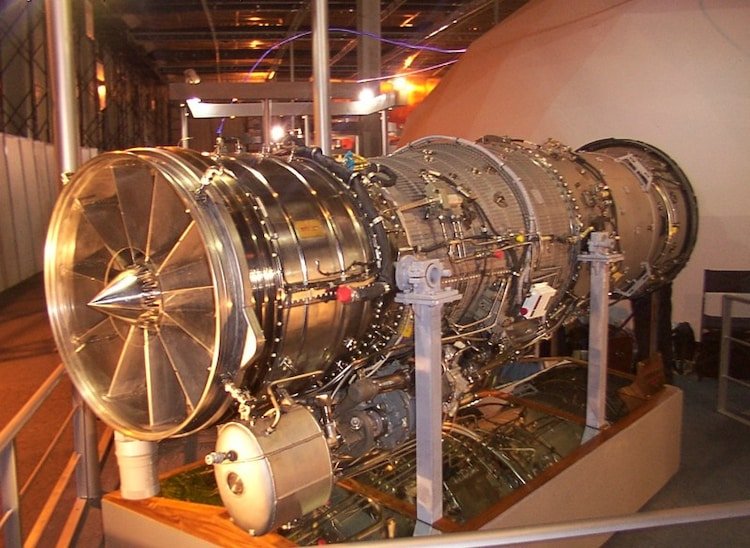
One of the most significant challenges for Tejas has been its reliance on imported engines. The original plan to equip the aircraft with an indigenous engine did not materialize as expected.
As a result, the aircraft currently uses engines sourced from international suppliers, leading to delays and Supply Chain dependencies. This has affected production timelines and raised questions about long-term sustainability.
Developing a jet engine is widely considered one of the most complex engineering challenges. Even advanced nations have taken decades to master it. While India’s indigenous efforts have faced delays, they have also laid the groundwork for future advancements.
In practical terms, this means the current limitations are not just setbacks-they are part of a longer journey toward self-reliance.
Production Delays: The Numbers Game
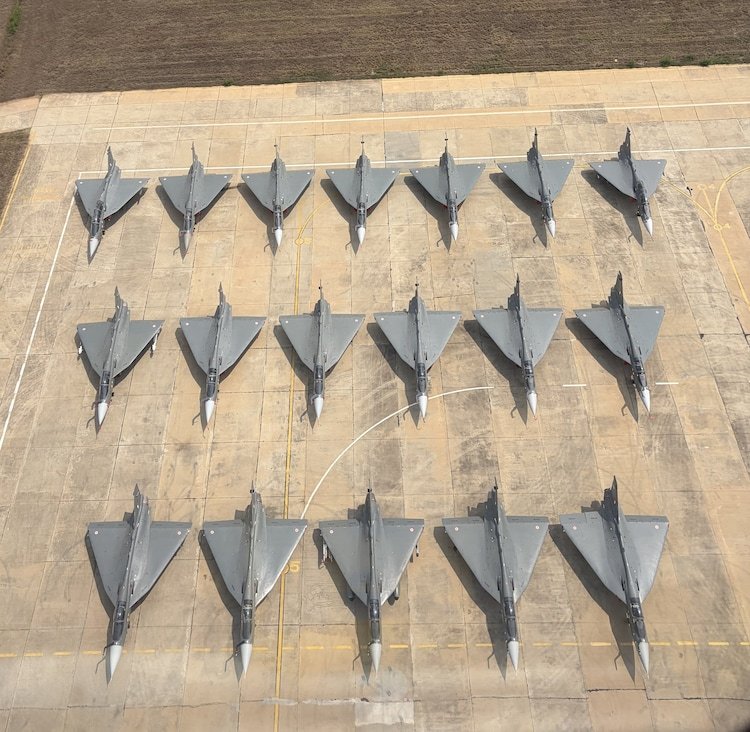
Another major criticism of the Tejas programme is the slow pace of production. Initial orders were placed in small batches, which limited the incentive for large-scale Manufacturing investments.
Only recently has production begun to scale up, with multiple assembly lines being activated to increase output. The goal is to deliver aircraft at a much faster rate, addressing the IAF’s immediate needs.
Here’s the reality: building a fighter jet is not like assembling consumer electronics. It requires precision, testing, and certification at every stage. Speed is important-but not at the cost of safety and reliability.
What Tejas Has Actually Achieved
Amid the criticism, one crucial aspect often goes unnoticed-the broader impact of the Tejas programme on India’s defence ecosystem.
The project has helped create a domestic Aerospace Industry involving hundreds of companies supplying high-tech components. This ecosystem is a long-term asset, enabling future projects and reducing dependence on imports.
In addition, Tejas represents a significant technological leap over older aircraft it is meant to replace.
- Advanced fly-by-wire control systems
- Modern glass cockpit and avionics
- Compatibility with contemporary weapons and sensors
- Improved pilot interface and situational awareness
These features place Tejas firmly in the category of modern fighter aircraft, capable of operating in today’s combat environments.
| Aspect | Tejas Capability |
|---|---|
| Control System | Fly-by-wire technology |
| Cockpit | Glass cockpit with digital displays |
| Weapons | Compatible with modern missiles and precision bombs |
| Awareness | Enhanced situational awareness systems |
Comparison with Legacy Aircraft
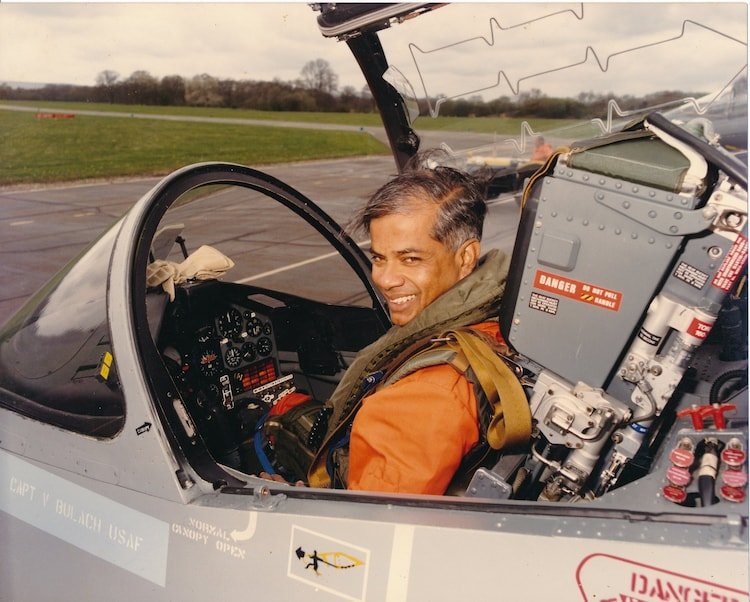
Tejas was designed to replace older aircraft, particularly those from earlier generations. In terms of performance, avionics, and pilot experience, it offers clear improvements.
Experts with experience flying legacy jets have dismissed comparisons that suggest older platforms were superior. Instead, they highlight the generational gap in technology and capability.
This is not just about speed or maneuverability-it’s about how effectively a pilot can operate in complex combat scenarios.
Analysis: Delay vs Development
So, was the Tejas programme a waste of time and money? The answer depends on perspective.
If judged purely on timelines, the delays are undeniable. The programme took longer than expected and faced multiple setbacks. But if evaluated based on outcomes, the picture changes significantly.
Tejas has:
- Established indigenous design and development capabilities
- Built a domestic aerospace ecosystem
- Delivered a modern fighter platform
- Reduced long-term dependence on imports
In other words, the value of the programme extends beyond the aircraft itself.
And here’s a bit of grounded realism: building your first fighter jet is never smooth. It’s like learning to ride a bicycle-except the bicycle costs thousands of crores and flies at supersonic speeds.
The Road Ahead: Mk1A and Beyond
The future of the Tejas programme looks more promising. The improved Mk1A variant is set to enter service, addressing several limitations of earlier versions. Meanwhile, work is already underway on more advanced versions with enhanced capabilities.
These developments indicate that the programme is evolving, not stagnating. Each iteration builds on past experience, moving closer to global standards.
However, success will depend on sustained investment, better coordination, and a long-term strategic vision.
Conclusion
The return of the Tejas fleet to the skies marks an important moment-not just for the aircraft, but for India’s defence ambitions. While the programme has faced delays and criticism, it has also achieved milestones that are often overlooked.
Calling it a “dud” oversimplifies a complex journey. The Tejas programme represents both the challenges and the progress of building indigenous capability in a highly demanding field.
The real question is no longer whether the effort was worth it, but whether India will fully commit to building on this foundation. Because in Defence Technology, the biggest mistake is not taking time-it’s not learning from it.
For breaking news and live news updates, like us on Facebook or follow us on Twitter and Instagram. Read more on Latest India on thefoxdaily.com.





COMMENTS 0