Maharashtra’s total outstanding debt is projected to surge to Rs 9.32 lakh crore, intensifying fiscal pressure on the state government as it strives to maintain essential public services and development commitments. The rising debt burden reflects mounting expenditure requirements and a widening revenue deficit that has become a major concern for policymakers.
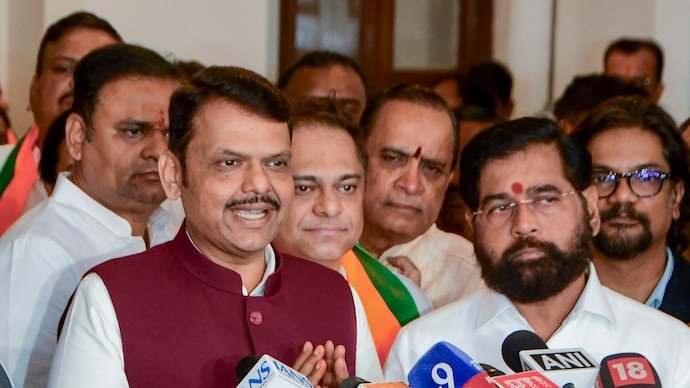
In the Maharashtra State Assembly on Tuesday, Chief Minister Devendra Fadnavis, who currently holds the finance portfolio, presented additional budgetary demands amounting to Rs 11,995.33 crore. The supplementary demands are notably smaller compared to previous sessions, signaling a shift toward fiscal caution.
Revenue Deficit Nears Rs 2 Lakh Crore
The state’s revenue deficit has already approached Rs 2 lakh crore, largely due to substantial spending approvals earlier in the financial year. The government is now attempting to rein in further financial strain by limiting new commitments and focusing on meeting existing obligations.
The current supplementary demands reflect a more measured approach compared to earlier proposals that ran into tens of thousands of crores. This indicates a deliberate effort to stabilize Maharashtra’s finances and prevent the deficit from widening further.
Breakdown of Additional Budget Demands
Of the total Rs 11,995.33 crore sought:
- Rs 5,748.10 crore has been allocated for revenue expenditure, primarily to cover operational and administrative costs.
- Rs 6,003.79 crore has been earmarked for capital expenditure, focusing on infrastructure development and long-term asset creation.
| Department / Sector | Allocation (Rs Crore) | Purpose |
|---|---|---|
| Industries and Energy Department | 5,840 | Industrial development and energy sector support |
| Power Sector (within Industries & Energy) | 3,262 | Strengthening electricity infrastructure and supply |
| Small & Village Industries | 803 | Support for MSMEs and rural entrepreneurship |
| Water Supply & Sanitation | 1,431 | Improving urban and rural water systems |
| Other Sectors (Medical Education, Rural Development, OBC Welfare) | Smaller allocations | Targeted welfare and social development initiatives |
Industries and Energy Lead Spending
The Industries and Energy Department accounts for the largest portion of the additional demands, seeking Rs 5,840 crore. Within this allocation, a substantial Rs 3,262 crore has been designated for the power sector to strengthen electricity supply and infrastructure. Another Rs 803 crore will support small and village industries, emphasizing the government’s focus on boosting micro, small, and medium enterprises (MSMEs).
Water supply and sanitation projects will receive Rs 1,431 crore, highlighting continued investments in public utilities and essential infrastructure. Meanwhile, sectors such as medical Education, rural development, and Other Backward Classes (OBC) welfare have received comparatively smaller provisions.
Shift Toward Fiscal Restraint
The cautious financial stance comes after Devendra Fadnavis assumed charge of the finance portfolio. The government’s approach this time contrasts sharply with earlier assembly sessions, where new schemes and large-scale initiatives were introduced with significantly higher financial outlays.
Instead of unveiling expansive new programs, the current additional demands are largely aimed at fulfilling pre-existing commitments and managing ongoing projects. This reflects a conscious effort to balance developmental needs with fiscal discipline.
Debt at Historic Highs
With Maharashtra’s debt expected to climb to Rs 9.32 lakh crore, the state faces the challenge of managing borrowing costs while sustaining growth and welfare schemes. Rising debt servicing obligations could potentially limit fiscal flexibility in the coming years.
As the state navigates high expenditure pressures and revenue shortfalls, the government’s emphasis on controlled spending and targeted allocations indicates a strategic pivot toward stabilizing Maharashtra’s financial health while continuing to invest in key sectors.
The coming months will be crucial in determining whether these measures can effectively curb the growing revenue deficit and prevent further escalation of the state’s debt burden.
For breaking news and live news updates, like us on Facebook or follow us on Twitter and Instagram. Read more on Latest India on thefoxdaily.com.


COMMENTS 0