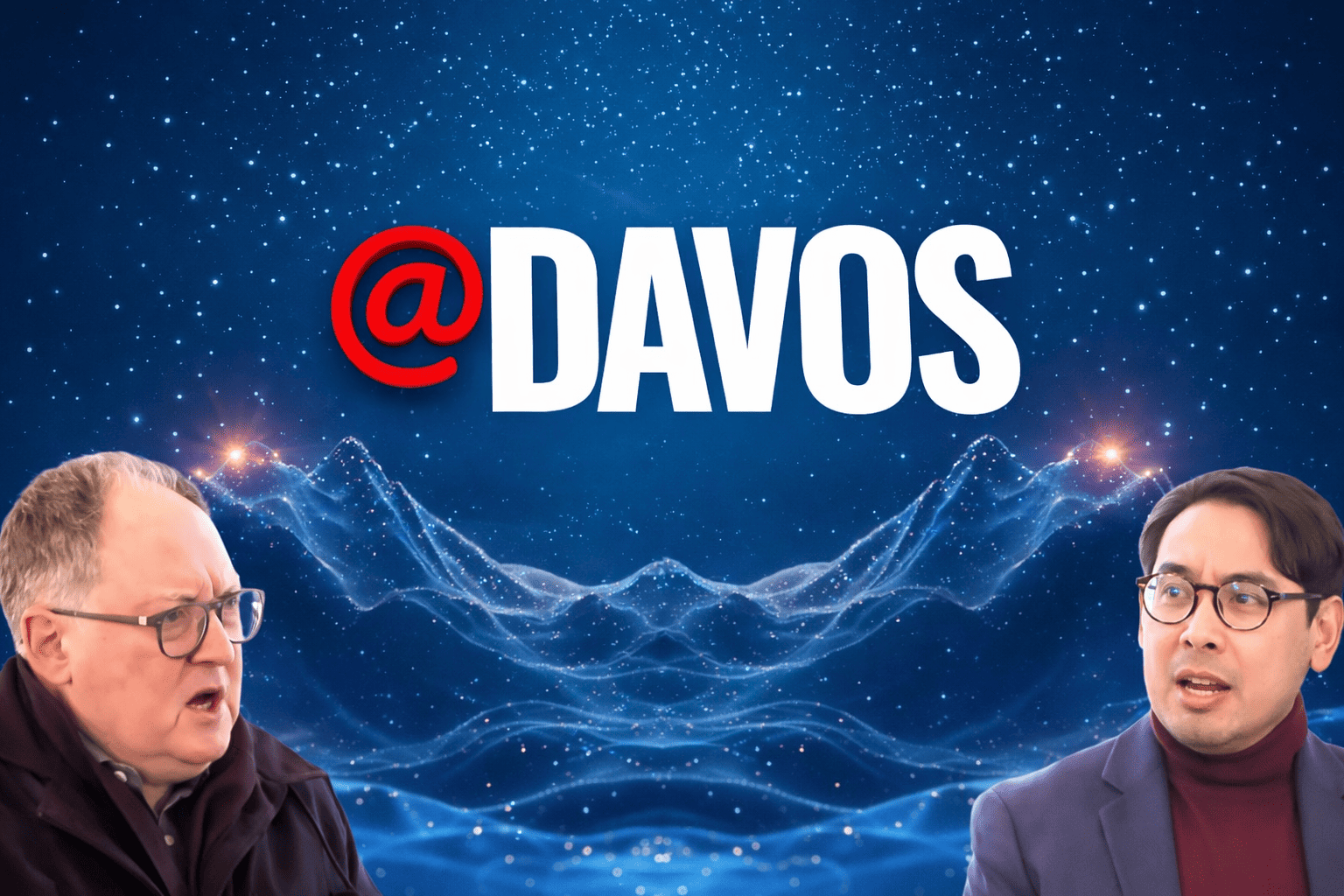
As Pakistan intensifies its outreach to former US President Donald Trump, questions are once again being raised about Islamabad’s place in Washington’s strategic thinking — and whether the renewed warmth is rooted in policy considerations or personal chemistry.
Geopolitical analyst Fareed Zakaria, speaking to India Today Consulting Editor Rajdeep Sardesai, offered a blunt assessment: Pakistan’s pitch to Trump is less about Geopolitics and more about understanding Trump’s instincts and speaking a language he instinctively trusts.
Zakaria argued that Trump’s apparent friendliness towards Pakistan stems from power politics and personality rather than any fundamental shift in US regional strategy. “Trump loves autocrats,” Zakaria said candidly, explaining why Pakistan’s military leadership has been able to strike a chord with the former US president.
According to Zakaria, Pakistan Army Chief General Asim Munir has carefully projected himself in a manner that resonates with Trump’s worldview. “Munir has presented himself in a way that Trump naturally reacts to,” Zakaria explained. “It’s essentially: ‘I am the person in charge of Pakistan. We will do whatever you want.’”
Zakaria suggested that this approach includes exaggerated assurances and symbolic gestures — ranging from talk of nobel peace prize nominations to business-friendly overtures that align with Trump’s personal and family interests.
India, however, operates very differently, Zakaria noted. “That is not what India does,” he said. “It’s a serious democracy.” While such an approach may seem limiting in a transactional Trumpian framework, Zakaria argued that it is, in fact, India’s greatest long-term strength.
“It’s a huge advantage that India has in the long run,” he emphasised, suggesting that New Delhi’s institutional stability and democratic credibility ultimately outweigh short-term diplomatic theatrics.
On Trump’s repeated claims that he mediated peace between India and Pakistan following Operation Sindoor, Zakaria urged restraint rather than outrage. He pointed out that previous Indian leaders had quietly acknowledged limited US involvement without turning it into a diplomatic confrontation.
“There’s no reason to get your back up so much that you absolutely refuse to acknowledge any involvement by the US,” Zakaria said, advising New Delhi to handle such assertions with diplomatic finesse rather than public indignation.
While acknowledging that Trump’s visible courtship of Pakistan is not without risks, Zakaria cautioned against viewing every statement as a strategic setback for India. “Yes, it’s a concern,” he said, “but don’t freak out. Be patient.”
Zakaria also dismissed suggestions that India should emulate china’s more confrontational posture towards Trump. He argued that Beijing can afford such tactics because it possesses significant leverage over Washington — leverage that India does not yet command.
Reiterating his broader advice, Zakaria warned against bluffing in international diplomacy. “Trump is very good at figuring out power imbalances,” he said. “Don’t bluff when you don’t have the cards.”
In Zakaria’s assessment, India’s best response lies not in reactive diplomacy, but in strategic patience — recognising short-term noise while keeping its focus firmly on long-term national interest.
For breaking news and live news updates, like us on Facebook or follow us on Twitter and Instagram. Read more on Latest India on thefoxdaily.com.





COMMENTS 0