India’s aviation sector has been thrown into unprecedented chaos after IndiGo the country’s biggest airline with nearly 60% domestic market share suffered its most severe operational breakdown in two decades. What began earlier this week as scattered delays escalated into a nationwide aviation meltdown, grounding aircraft, disrupting schedules, and exposing deep structural gaps in the airline’s planning.
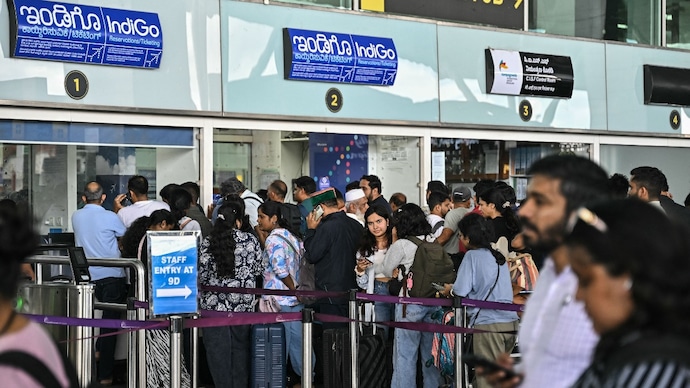
For four consecutive days, major airports across the country resembled crisis zones. More than 1,500 flights were cancelled, leaving hundreds of thousands of passengers stranded without food, proper communication, or even access to their luggage. Many slept on terminal floors, some broke down in frustration, and others joined weddings or important family events via video calls after missing their flights.
Thursday was the worst day in IndiGo’s history, with more than 550 cancellations. Another 400 flights were cancelled on Friday, prompting airports in Delhi and Chennai to impose extended departure restrictions on IndiGo operations.
The disruption also led to an unprecedented spike in fares. On several routes, passengers reported that flying to Dubai had become cheaper than flying from Delhi to Bengaluru. The crisis highlighted the fragility of India’s domestic air travel ecosystem, which relies heavily on a single carrier operating more than 2,300 flights a day.
The Cause: IndiGo Miscalculated Manpower Under New FDTL Rules
At the heart of the meltdown is a major misjudgment by IndiGo in calculating crew requirements after the Directorate General of Civil Aviation’s (DGCA) new Flight Duty Time Limit (FDTL) norms came into effect. These rules designed to reduce pilot fatigue cut maximum flying hours, restricted night operations, and increased weekly rest periods.
While airlines had months to prepare, IndiGo failed to recruit and plan adequately for the higher manpower needed under the new regime. This triggered a domino effect, grounding aircraft across the network and pushing crew scheduling into crisis mode.
Government Steps In: Emergency Meetings, Investigations, and Temporary Relief
As public anger surged, Civil Aviation Minister Ram Mohan Naidu summoned IndiGo’s top leadership for an emergency review. The DGCA launched an investigation into the airline’s planning failures and temporarily relaxed some FDTL restrictions to provide short-term relief.
The government also issued a strong warning: IndiGo must stabilise operations immediately and must not hike fares to compensate for its internal crisis.
Scenes of Chaos at Airports
Across terminals, scenes of distress, confusion, and anger dominated. Passengers reported waiting 12–14 hours without assistance, food, or timely updates. Viral videos from airports showed long, serpentine queues, chaotic crowds, and heaps of unclaimed baggage piling up near conveyor belts.
IndiGo Admits Failure, Announces Flight Cuts
Issuing a rare public apology, IndiGo acknowledged “planning gaps and misjudgment.” The airline announced that it would cut operations starting December 8 to stabilise the network and aims to return to full normalcy by February 10. However, the government expects significant improvement within 72 hours.
A Crisis of Credibility for India’s Most Reliable Airline
IndiGo long celebrated for its punctuality and consistency under the slogan “On Time. All the Time.” is now battling a crisis of confidence. The meltdown has sparked broader concerns about the resilience of India’s aviation infrastructure and the risks of over-dependence on a single carrier.
For now, thousands of passengers remain delayed, stranded and frustrated waiting for the airline to get back on its feet.
For breaking news and live news updates, like us on Facebook or follow us on Twitter and Instagram. Read more on Latest India on thefoxdaily.com.





COMMENTS 0