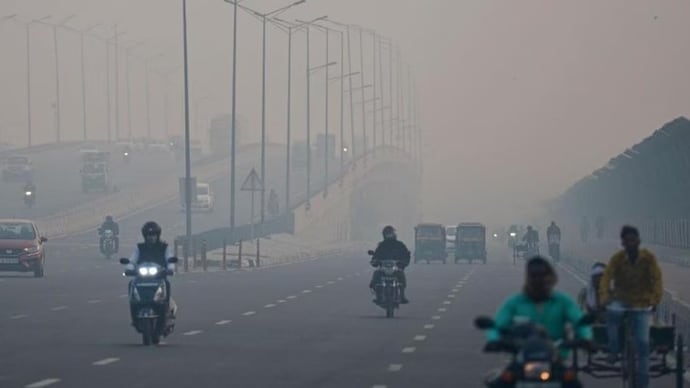
The choking air in Delhi and the National Capital Region (NCR) was expected to ease in December, but pollution levels have instead remained alarmingly high. Despite repeated interventions and emergency measures, residents continue to breathe toxic air almost daily.
Delhi’s citizens remain at serious health risk due to the persistent haze. The Air Quality Index (AQI) has frequently oscillated between “severe” and “very poor,” with occasional brief improvements offering little relief. On Monday, AQI levels crossed 456, pushing the city into the “Severe Plus” category.
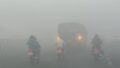
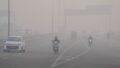
The capital was once again wrapped in a thick blanket of smog, reducing visibility and posing immediate health hazards. Even after years of policy interventions and technological solutions, one troubling question persists: why does Delhi’s air quality refuse to improve in December?
WINTER’S ROLE IN TRAPPING POLLUTION
December weather plays a decisive role in worsening Delhi’s pollution crisis.
During winter, low wind speeds, temperature inversion, and high humidity work together to trap pollutants close to the ground. This natural phenomenon prevents pollutants from dispersing into the atmosphere.
Simply put, foggy mornings and stagnant air create a “pollution lid” over the city. As a result, even routine emissions—from vehicles during office hours or biomass burning in the evening—accumulate rapidly.
Pollution levels typically rise at night and peak in the early morning hours, when visibility is at its worst and health risks are highest. This cyclical pattern ensures that December mornings are often the most dangerous for residents.
ADDITIONAL CONTRIBUTORS TO DECEMBER SMOG
Stubble burning in punjab and Haryana has long been blamed as a major contributor to Delhi’s winter pollution.
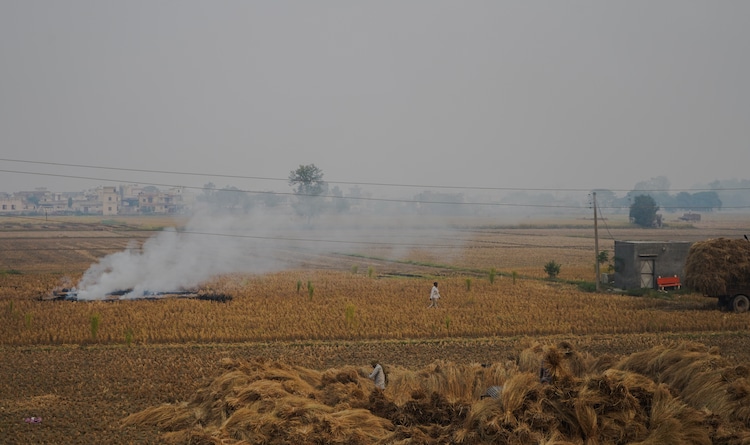
However, official data suggests a sharp decline in farm fire incidents this year. On December 2, Union Environment Minister Bhupender Yadav informed the Lok Sabha that stubble-burning cases in Punjab and Haryana had dropped by nearly 90% compared to 2022.
Despite this reported reduction, Delhi’s air quality showed little to no improvement, raising serious concerns.
Recent studies suggest that farmers may be burning crop residue during specific time windows to avoid detection by satellite monitoring systems.
An ISRO study noted that “underestimation of active fire events during October-November in Punjab and Haryana can lead to a substantial underestimation of carbon emissions,” indicating that the actual pollution load may be higher than official figures suggest.
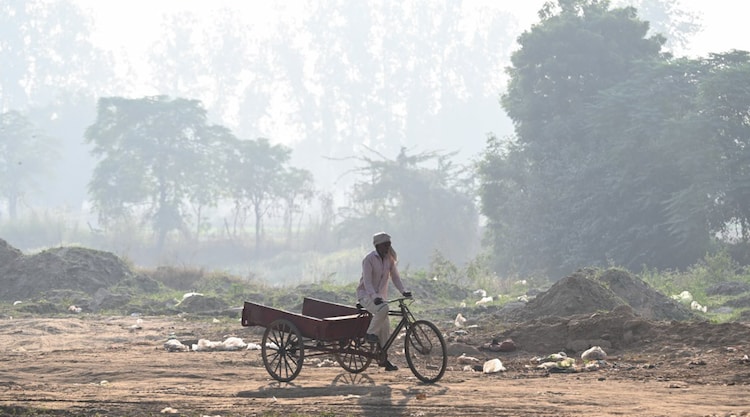
That said, stubble burning is only one part of a much larger problem.
Delhi faces intense local pollution from multiple sources, including vehicular emissions, industrial activity, construction dust, and open garbage burning.
With a growing number of vehicles on the roads, rising energy demands, nonstop infrastructure projects, and massive waste generation in Delhi and surrounding NCR regions, pollution continues to build up daily.
LOOKING AHEAD: SHORT-TERM FIXES VS LONG-TERM SOLUTIONS
Authorities have enforced the strictest stages of the Graded Response Action Plan (GRAP), which include halting construction work, restricting truck entry, and shifting schools to online mode during peak pollution days.
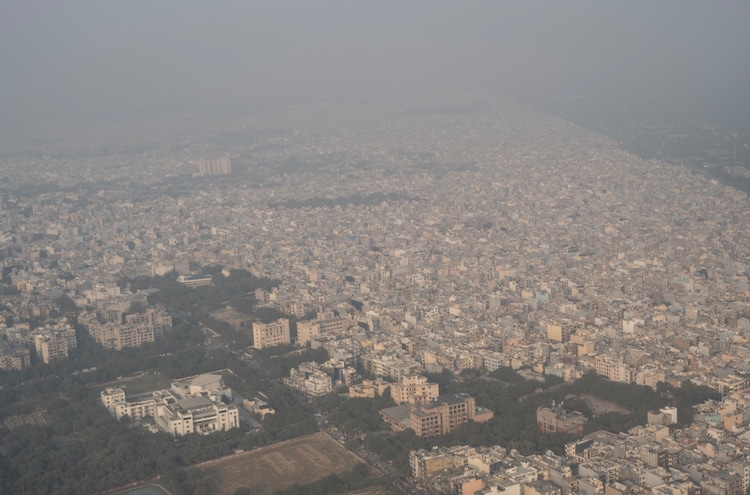
In one instance, GRAP Stage 3 restrictions were imposed on Saturday, followed by Stage 4 measures just hours later. Despite these aggressive steps, pollution levels continued to worsen, with AQI readings soaring beyond 460.
For context, AQI readings between 51–100 are considered “satisfactory,” 101–200 “moderate,” 201–300 “poor,” 301–400 “very poor,” 401–450 “severe,” and anything above 451 is categorized as “severe plus.”
While such emergency responses offer temporary relief, they fail to address the underlying causes of pollution.
Experts repeatedly warn that enforcement gaps—such as poor road maintenance, uncovered construction sites, and illegal garbage burning—undermine these efforts. Once restrictions are lifted, pollution levels often rebound within days.
Over the past decade, Delhi has indeed seen incremental progress, with more “moderate” air quality days than before. Yet December remains the city’s toughest month.
Environmental experts agree that lasting improvement will only come through sustained local pollution control, cleaner transportation systems, better urban planning, and coordinated action across NCR states.
Until these long-term solutions are fully implemented and enforced, Delhi’s winter smog is likely to remain an annual and dangerous reality for millions of residents.
For breaking news and live news updates, like us on Facebook or follow us on Twitter and Instagram. Read more on Latest India on thefoxdaily.com.



COMMENTS 0