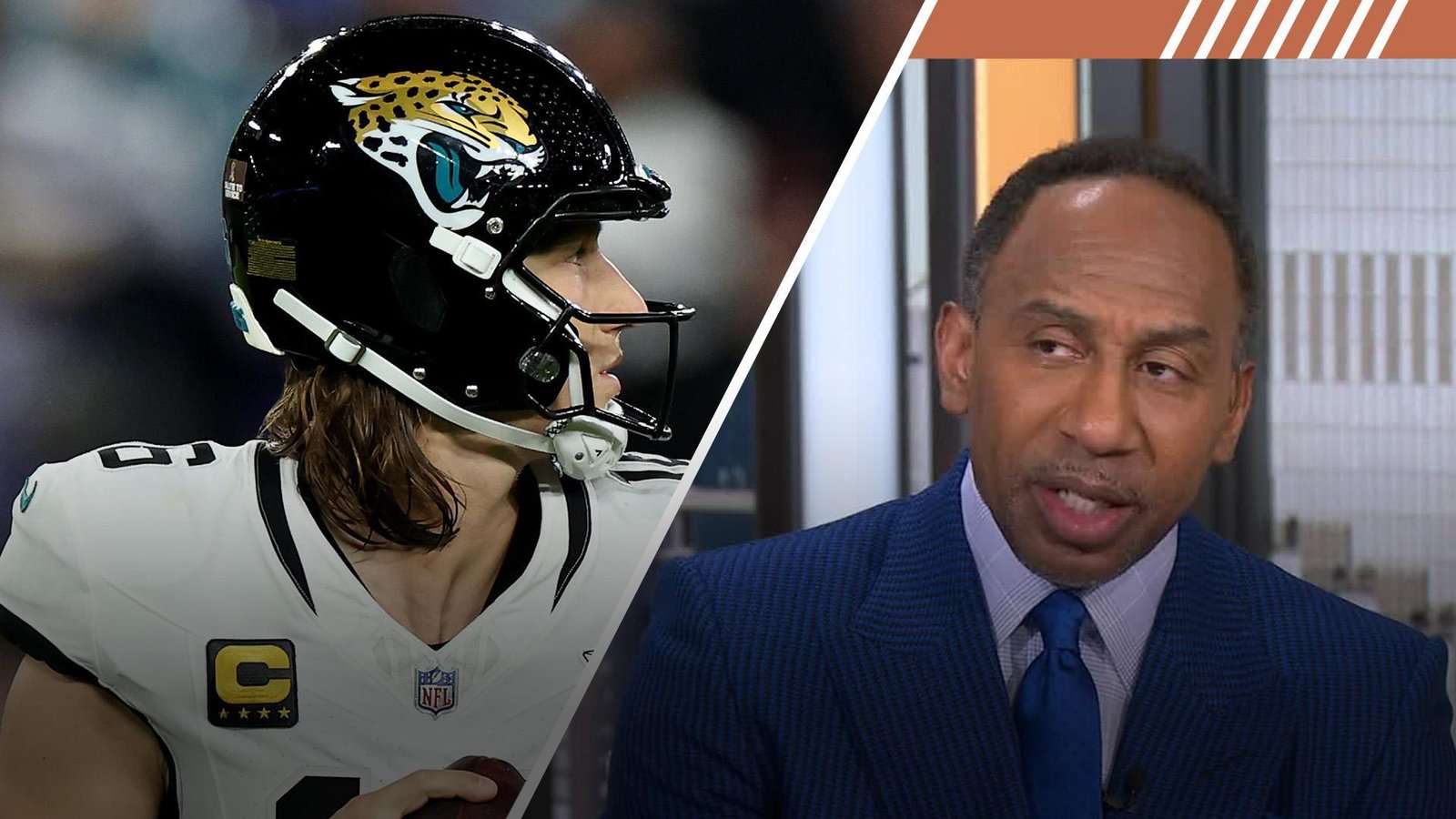
The 2026 NFL Trade Deadline has passed, bringing an end to weeks of speculation surrounding several high-profile players. As teams prepare for Week 10, attention is shifting towards the consequences of the completed deals, the players who stayed put and the roster decisions that could shape the remainder of the season.
Jonathan Taylor, Daniel Jones and Brian Thomas Jr. were among the most frequently discussed names before the deadline, but none changed teams. Meanwhile, the Minnesota Vikings made one of the biggest moves by acquiring quarterback Kirk Cousins from the Las Vegas Raiders. The deal raises important questions about Minnesota’s immediate playoff ambitions and Las Vegas’ decision to move forward with rookie quarterback Fernando Mendoza.
ESPN insiders Jeremy Fowler and Dan Graziano have shared their latest reporting from around the league, examining why potential trades never materialized, what the Cousins move means for both franchises and which players fantasy managers should consider ahead of Week 10.
Why Jonathan Taylor, Daniel Jones and Brian Thomas Jr. Stayed Put
Jonathan Taylor, Daniel Jones and Brian Thomas Jr. generated considerable trade speculation before the deadline. However, different circumstances prevented each player from finding a new team.
Jonathan Taylor: Colts Refused to Lower Their Asking Price
According to Dan Graziano, the Indianapolis Colts never showed a strong desire to trade Taylor. Unlike Quenton Nelson, DeForest Buckner and Keenan Allen, who were all in the final year of their contracts, Taylor still has two years remaining on his deal.
At 27, Taylor remains a central part of Indianapolis’ plans. The Colts value his contribution and believe he can continue to be an important player beyond the current season. Consequently, the organization was not interested in trading him simply to create salary-cap flexibility or move away from an established veteran.
Indianapolis reportedly wanted a first-round pick or a package of selections with equivalent value. Although several teams showed interest, none was willing to meet that demand.
Jeremy Fowler added that the trade speculation continued partly because of interest from other franchises, Indianapolis’ recent roster changes and Taylor’s workload of 1,712 career carries. Denver reportedly explored the possibility of acquiring him but was not comfortable with the Colts’ asking price.
Fowler believes Taylor remains an important asset for the franchise heading into 2027. While Taylor might have welcomed an opportunity to join a contender, Indianapolis ultimately had little reason to accept an offer below its valuation.
Daniel Jones: His Future Depends on the Colts’ Next Leadership
Daniel Jones was another quarterback connected to trade discussions, with Minnesota reportedly viewing him as a possible alternative to Cousins. However, the current Indianapolis coaching staff appears more comfortable with Jones than Anthony Richardson Sr., despite Jones’ recent struggles.
Graziano noted that Jones, who turns 30 next May, will become an important decision for the Colts’ incoming general manager and potentially their next head coach.
Jones is scheduled to earn $38 million in 2027, although that amount is not currently guaranteed. A portion of his salary, $10.51 million, becomes fully guaranteed if he remains on the roster on the fifth day of the 2027 league year in March.
If Jones finishes the season strongly, Indianapolis could consider keeping him and giving him another opportunity further removed from his Achilles injury. However, if his performances do not improve, the Colts could release him. That decision would create $35.2 million in dead-money cap charges in 2027, but the figure may be manageable under the league’s changing salary-cap conditions.
For now, Jones remains in Indianapolis, with his longer-term future likely to depend on how he performs during the remainder of the season.
Brian Thomas Jr.: Jaguars Choose Depth Over Another Trade
Brian Thomas Jr. also attracted significant interest, but the Jacksonville Jaguars were unwilling to move one of their talented young receivers while building towards a potential AFC title run.
Fowler explained that Jacksonville wanted to add players rather than subtract from its roster. Although Thomas has not produced the numbers expected of him, the Jaguars continue to value his speed and athletic ability, which can force opposing defenses to account for him.
Graziano pointed out that Thomas could become especially important if another Jacksonville receiver suffers an injury. With Jakobi Meyers and Parker Washington among the team’s receiving options, keeping quality depth at a premium position makes sense for a franchise focused on competing for the top seed in the AFC.
However, Thomas’ lack of recent involvement remains a concern. Fowler noted that he had not caught a pass in a month and suggested the receiver might have welcomed a fresh start if a trade had materialized.
Despite that situation, Jacksonville decided against moving him. Fowler believes the Jaguars should find ways to involve Thomas more frequently because his talent could become valuable during the postseason.
Kirk Cousins Trade: What It Means for the Vikings and Raiders
The biggest quarterback move of the deadline involved Kirk Cousins, who was traded from the Las Vegas Raiders to the Minnesota Vikings for a third-round draft pick. The move came after Minnesota experienced significant problems at quarterback and needed a reliable option to protect its promising season.
Why Minnesota Turned to Cousins
Jeremy Fowler described Cousins as a familiar option for Minnesota, particularly because of his experience in head coach Kevin O’Connell’s offensive system.
The Vikings had struggled to find consistency with their quarterback options. Kyler Murray had not established himself as a comfortable fit in the scheme and subsequently suffered an injury, while Carson Wentz delivered a disappointing performance on Monday night.
Fowler believes the Vikings needed to reduce uncertainty at the position rather than risk losing momentum during an important stage of the season. Cousins offers familiarity with O’Connell’s offense and has demonstrated that he can operate effectively in that system.
Graziano reported that Minnesota had initially explored several options, including Cousins, Daniel Jones and Geno Smith. The organization had checked on Cousins the previous week to understand what a possible deal might require, but the Raiders had not indicated that he was available before Sunday.
The situation changed after Minnesota’s recent offensive struggles. The Vikings ultimately offered a third-round selection, and Las Vegas decided it was ready to move forward with Fernando Mendoza.
The Vikings had an additional third-round pick following their trade of Jonathan Greenard to the Philadelphia Eagles. They used their original third-round selection to acquire Cousins while retaining the Eagles’ pick.
Cousins Could Become Minnesota’s Immediate Starter
Cousins is expected to take over as Minnesota’s starting quarterback immediately. His experience and understanding of O’Connell’s offense could help stabilize a team that has already demonstrated considerable potential this season.
However, the arrangement may be relatively short-term. Fowler described Cousins as a half-season solution, with the possibility of a new agreement depending on how he performs.
Graziano also highlighted the financial complications attached to the quarterback’s contract. Cousins has a $10 million roster bonus in 2027 that is guaranteed, while a two-year, $80 million extension is scheduled to begin on the fifth day of the new league year.
The Vikings are unlikely to accept that entire financial commitment without reconsidering their options. They could instead pay the $10 million bonus to move on or negotiate a different contract with Cousins.
Minnesota must also decide how to manage its backup quarterback situation. Murray and Wentz remain possible options, although injuries could influence whether either player stays on the active roster or moves to injured reserve.
What the Trade Means for the Raiders and Fernando Mendoza
For Las Vegas, trading Cousins represents a transition towards Fernando Mendoza. The Raiders had been using the veteran quarterback to delay the rookie’s introduction to the starting lineup while allowing him time to develop.
Graziano reported that the Raiders were not initially looking to trade Cousins because he had performed well and helped the team remain competitive. However, Minnesota’s willingness to offer a top-100 draft selection changed the situation.
Las Vegas ultimately decided that Mendoza was ready enough to take over, making a third-round selection an acceptable return for Cousins.
The decision gives Mendoza an opportunity to establish himself as the franchise’s quarterback while allowing the Raiders to add another valuable draft asset. His development will now become one of the central storylines to follow in the second half of the 2026 season.
Does Cousins Solve Minnesota’s Long-Term Quarterback Problem?
Although the acquisition provides immediate stability, it does not necessarily solve Minnesota’s longer-term quarterback concerns.
Fowler questioned the Vikings’ recent management of the position, pointing to the different starters the franchise has used over the past several seasons. Sam Darnold, the team’s 2024 starter, is now a Super Bowl winner in Seattle. J.J. McCarthy, who started in 2025, moved on after 10 starts and is reportedly thriving with the New York Jets. Murray became the 2026 starter but has been injured, while Cousins has returned as the Week 10 option.
Fowler acknowledged that general manager Nolan Teasley inherited much of the situation after being hired on May 30. Nevertheless, Teasley will have an important role in determining the team’s long-term direction during his first full offseason.
Graziano agreed that the Cousins trade is primarily a move to protect Minnesota’s current season. The Vikings started the campaign with six consecutive victories, have an outstanding defense and possess two first-round wide receivers. The organization did not want its quarterback problems to undermine those strengths.
Cousins has thrown 20 touchdown passes this season, while Minnesota’s offense has scored 13 touchdowns as a team, including five in Week 1. His arrival gives the Vikings an experienced quarterback who could help them make better use of their offensive talent.
Week 10 Fantasy Football Advice: Tank Dell and Kaleb Johnson
With the trade deadline behind them, Fantasy Football managers must pay attention to changing opportunities and potential workload increases. Jeremy Fowler and Dan Graziano highlighted two players worth monitoring ahead of Week 10.
Tank Dell: A Potential Waiver-Wire Addition
Graziano recommended adding Houston Texans wide receiver Tank Dell if he is available on the fantasy waiver wire.
Dell delivered an encouraging performance in Sunday’s victory over the Los Angeles Chargers, recording four receptions for 105 receiving yards and a touchdown. He was targeted nine times, more than any other Houston receiver in the game.
The Texans’ passing offense appears to be improving, with quarterback C.J. Stroud playing at a high level. Although Houston’s receiving group has become crowded, Dell’s recent performance suggests he could earn a more important role.
Graziano also highlighted the connection between Dell and Stroud, who developed a strong friendship and on-field understanding early in their careers. That chemistry could become valuable as the Texans attempt to maintain their offensive momentum.
The matchup against Cleveland presents a tougher challenge, but Dell’s ability to threaten defenses downfield makes him an interesting fantasy option. Managers searching for additional wide receiver production should consider his availability.
Kaleb Johnson: Packers Running Back Worth Monitoring
Fowler identified Green Bay Packers running back Kaleb Johnson as another potential fantasy option for Week 10.
Johnson is currently sharing opportunities with MarShawn Lloyd because of Josh Jacobs’ injury. However, his performance against New England caught the attention of the coaching staff, as he finished with 68 rushing yards and a touchdown on 14 carries.
The Packers could give Johnson an extended opportunity if he continues to demonstrate effective vision and consistent production.
Minnesota’s defense presents a difficult matchup, so fantasy managers should not expect an easy afternoon for Green Bay’s running game. Fowler also acknowledged that the rushing attack remains uncertain, but the Packers could choose to rely more heavily on Johnson if he continues to perform well.
Steelers Explored a Trade for Calvin Ridley and Josh Downs
The Pittsburgh Steelers were among the teams looking for wide receiver help before the deadline. According to Graziano, Pittsburgh held discussions with Tennessee about Calvin Ridley but ultimately did not complete a deal.
The Titans had already traded defensive players Amani Hooker and Jeffery Simmons, but they remained committed to keeping their offensive group together to support quarterback Cam Ward’s development.
Fowler suggested that a late-round selection could have made a Ridley trade attractive for Pittsburgh. However, a recent incident involving the receiver at Nashville airport reportedly caused some teams to reconsider their interest.
The Steelers also showed interest in Josh Downs, who was eventually traded to the Kansas City Chiefs. Pittsburgh’s lack of a fourth-round pick in the 2027 draft complicated its pursuit.
The team’s decision to preserve draft capital was also influenced by uncertainty surrounding its long-term quarterback position. If Pittsburgh eventually needs to acquire a quarterback through the draft or free agency, maintaining valuable selections could become important.
Veteran receivers Roman Wilson and Michael Pittman Jr. are also expected to return from injuries, giving the Steelers additional options without completing another trade.
More NFL Trade Deadline Intel: Players Who Stayed Put
Several other notable players were discussed in trade conversations, but their respective teams decided against making moves.
Josh Sweat and Budda Baker Remained With Their Teams
Graziano reported that edge rusher Josh Sweat and safety Budda Baker were among the players league officials expected could be traded. Teams contacted the relevant organizations, but discussions never developed into serious agreements.
Arizona ultimately kept Baker, who was also considered by the Buffalo Bills. According to Fowler, Buffalo made an offer that one source described as compelling, but the Cardinals viewed Baker as an important part of their team and were unwilling to move him.
Cowboys Had No Interest in Trading George Pickens
The Dallas Cowboys did not receive trade calls about wide receiver George Pickens, according to Fowler. Pickens is reportedly happy in Dallas and did not want to be traded.
Teams searching for receiving help were also not looking to make expensive acquisitions at the top end of the market. Dallas had no plans to move the receiver, making a potential deal unlikely from the beginning.
Panthers Rejected Interest in Derrick Brown
Graziano revealed that several teams contacted the Carolina Panthers about defensive tackle Derrick Brown as other defensive linemen moved around the league.
However, Carolina made it clear that Brown was not available. The team decided to keep one of its important defensive players rather than add another trade to an already active deadline period.
Browns Failed to Complete Additional Roster Moves
The Cleveland Browns explored opportunities to add an edge rusher and a blocking tight end. Fowler reported that the organization made several inquiries, but none resulted in a completed deal.
Cleveland therefore finished the deadline without making a move, marking a relatively quiet period for the franchise.
Jaguars’ Jordan Davis Trade Raised Questions About Draft Capital
Jacksonville’s acquisition of defensive tackle Jordan Davis from Philadelphia attracted attention because of the premium draft selections involved.
Graziano noted that people around the league questioned the amount Jacksonville surrendered. However, the Jaguars faced additional challenges in the defensive tackle market because several players they wanted were with teams inside their division.
Jacksonville had shown interest in Jeffery Simmons and DeForest Buckner, but those potential deals were either unavailable or significantly more expensive because of the players’ teams.
Fowler explained that general manager James Gladstone is comfortable using a strategy built around compensatory selections and identifying talent in the middle and later rounds. Having previously worked with the Rams, Gladstone could follow a similar approach to offset the cost of acquiring established players.
For example, if Jessie Bates III leaves Jacksonville in free agency, the team could potentially receive a third- or fourth-round compensatory selection, depending on the relevant conditions.
Bills’ Aggressive Pursuit of Safety Help
Buffalo was one of the most active teams during the deadline period as it searched for help in the secondary.
The Bills considered Baker but ultimately acquired Amani Hooker from Tennessee. Fowler reported that Buffalo had been clearing salary-cap space through contract restructuring and was exploring opportunities to add impactful defensive players.
Tennessee initially resisted trading Hooker because head coach Robert Saleh valued his contribution. However, Buffalo continued negotiating and eventually secured the deal.
Hooker will now join a Bills defense that has been searching for more consistency in its back end. His arrival also creates an interesting storyline, as he is scheduled to face the New York Jets again this season after losing to them with Tennessee in Week 1.
Rams’ Receiver Situation Remains a Major Concern
The Los Angeles Rams were another team connected to possible receiver moves, but they did not complete a significant acquisition at the deadline.
Fowler reported that the Chargers rejected at least one inquiry involving Ladd McConkey, with teams believing the Rams were behind the interest. However, Graziano said Los Angeles was never seriously positioned to make a receiver trade because of its limited future draft capital.
The Rams have already used significant draft resources in deals involving Myles Garrett and Trent McDuffie. As a result, the franchise has only four selections in the 2027 draft and is without its first-, third- and seventh-round picks that year. It also does not have its second-round selection in 2028 or third-round pick in 2029 because of the Garrett trade.
Los Angeles could certainly have benefited from additional receiving depth. Davante Adams and Jordan Whittington are on injured reserve, while Puka Nacua has been dealing with knee and toe injuries.
Puka Nacua’s Injury Status and Possible Return
One of the biggest questions surrounding the Rams is whether Nacua will be placed on injured reserve. Coach Sean McVay had indicated that the receiver was likely to require an injured-reserve stint, but the team had not made that move at the time of the report.
Players placed on injured reserve must miss at least four games. Because the Rams have a Week 11 bye, the timing of a possible move could influence when Nacua becomes eligible to return.
If Los Angeles avoids placing him on injured reserve, there could be a possibility of having him available for the Week 14 game against San Francisco. If the team makes the move, Week 15 against Dallas would be the earliest possible return under the four-game requirement.
People close to the situation reportedly indicated that Nacua’s injury was not season-ending and that the Rams hoped to have him back around Weeks 14 or 15.
Nacua had been heavily involved in the offense before the injury concerns, recording 14 receptions for 150 yards and a touchdown on 19 targets in Sunday’s game. His absence would be a significant challenge for quarterback Matthew Stafford and the receiving group.
Los Angeles may respond by changing its offensive approach. The team was encouraged by Blake Corum’s running performance on Sunday and could lean more heavily on its ground game while waiting for its receivers to recover.
The Rams also have to account for the possibility that their game plan will look different from the previous week. Tight end Terrance Ferguson had been expected to play an important role against Washington but suffered a hamstring injury during Friday’s practice and missed the game.
Other Trade Deadline Developments Around the NFL
Several additional players attracted interest as teams evaluated their needs before the deadline.
- Ladd McConkey: The Chargers rejected at least one inquiry involving the wide receiver, according to Fowler.
- Evan Engram: The Broncos tight end was on San Francisco’s radar as the 49ers explored ways to improve their tight end options. The team eventually acquired Keenan Allen instead.
- J.K. Dobbins: Denver received interest in the running back, but injuries to two other running backs meant the Broncos needed to retain their available options.
- Braden Smith: The Houston right tackle was considered a potential trade candidate after falling out of the rotation. Several teams investigated a possible deal, but nothing materialized.
- Mike Sainristil: Washington received multiple calls about the cornerback, but the Commanders wanted a quality draft selection to consider moving him.
- Jarran Reed: Several teams reportedly considered the Seattle defensive tackle, but the Seahawks were not motivated to trade him.
- A’Shawn Robinson: Tampa Bay received strong interest in the veteran defensive lineman, but the Buccaneers rarely make deadline trades and remained in the NFC South race.
What NFL Week 10 Could Reveal After the Trade Deadline
Week 10 begins with several important storylines following a busy deadline period. Minnesota’s decision to bring back Kirk Cousins immediately raises expectations for the Vikings’ offense, while the Raiders can now turn their attention towards Fernando Mendoza’s development.
The situations involving Jonathan Taylor, Daniel Jones and Brian Thomas Jr. also remain worth monitoring. Taylor continues to be a central part of Indianapolis’ plans, Jones faces an important stretch that could influence his future with the Colts, and Jacksonville must find ways to get Thomas more involved in its offense.
Fantasy managers will be watching Tank Dell’s growing involvement in Houston and Kaleb Johnson’s opportunity in Green Bay. Meanwhile, the Rams must manage their receiver injuries, and the Bills will look to benefit from their aggressive pursuit of defensive help.
The trade deadline may be over, but its effects will continue throughout the remainder of the 2026 NFL season. With playoff ambitions, quarterback decisions and changing fantasy opportunities all in play, Week 10 could provide an early indication of which teams are best positioned for the challenges ahead.
For breaking news and live news updates, like us on Facebook or follow us on Twitter and Instagram. Read more on Latest NFL on thefoxdaily.com.




COMMENTS 0