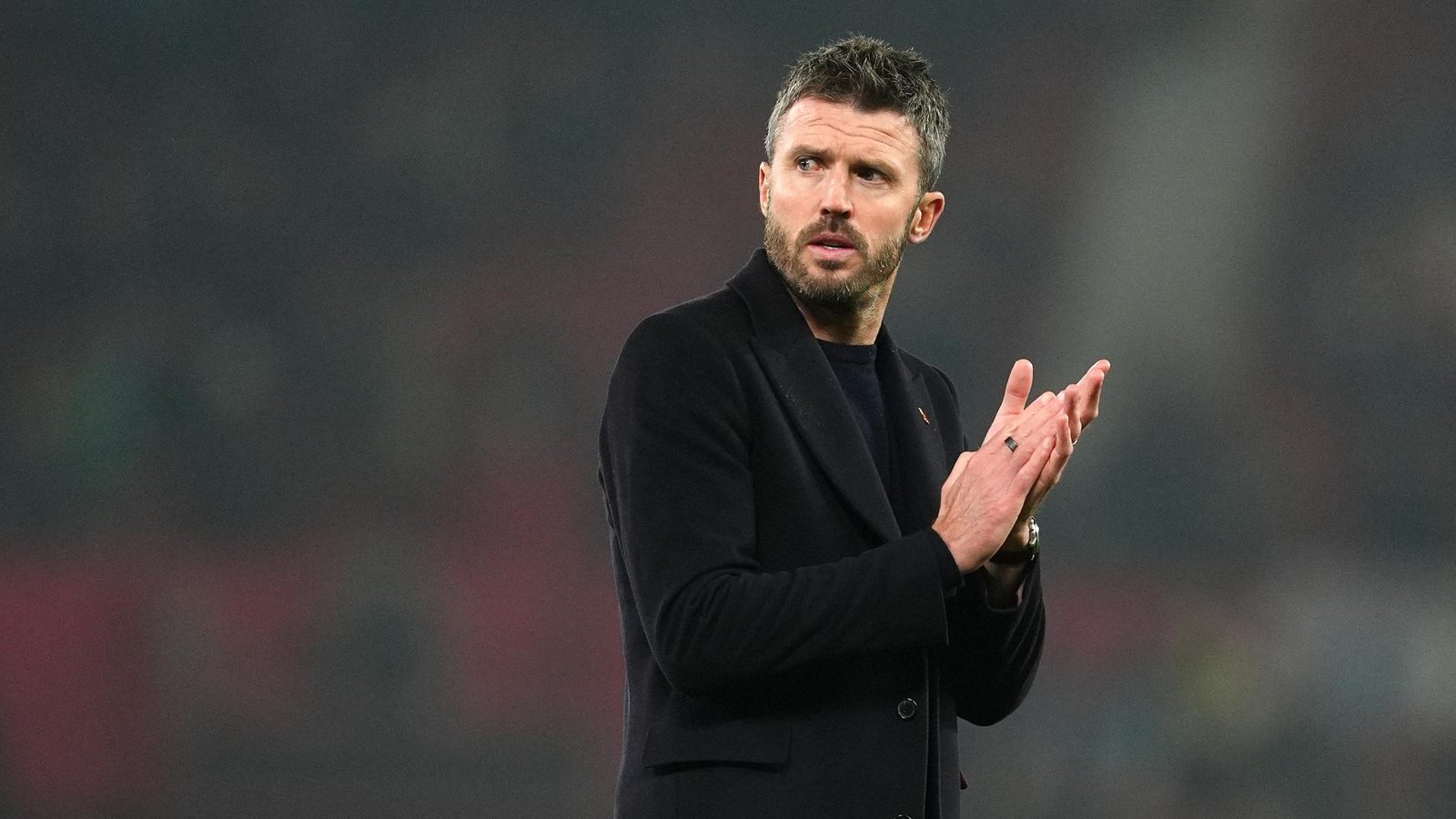
Sir Jim Ratcliffe arrived at Manchester United promising to restore the club’s position among Europe’s elite, but his decisions since taking control of football operations have come under increasing scrutiny. The INEOS chairman identified years of poor management under the Glazer family as a major reason behind United’s decline. However, questions are now being raised about whether his own appointments have made the situation worse.
Manchester United are in the Premier League relegation zone, with Michael Carrick set to remain in charge despite the team managing just one league victory all season. The club’s difficult position has renewed attention on Ratcliffe’s promises when he acquired a 27.7% minority stake from the Glazers in February 2024.
As Ratcliffe approaches the third anniversary of his arrival at Old Trafford, the criticism centres on his decision to place inexperienced figures in some of the most important positions at the club. Rather than bringing in proven leaders with established records at the highest level, United have entrusted key responsibilities to individuals with limited experience in their respective roles.
What Sir Jim Ratcliffe Promised When He Arrived at Manchester United
When Ratcliffe assumed control of football operations, he spoke confidently about the changes required to make Manchester United successful again. He outlined what he described as simple criteria for the club’s future, including challenging for Premier League and Champions League titles.
He also emphasised the responsibility United had towards supporters who regularly travel to Old Trafford. Ratcliffe believed the club needed to return to winning ways, although he acknowledged that correcting years of mistakes would require time and expertise.
At the time, he pointed towards what he described as 12 years of poor decisions under the Glazer ownership. He particularly criticised the way previous executives became involved in football recruitment without having the necessary knowledge to identify and sign the right players.
“The owners [Glazers] just managed the club and left the football side alone and they’ve made a lot of very poor decisions over 12 years, stupid things,” Ratcliffe told The Times.
He continued his criticism of the previous leadership, particularly the recruitment strategy overseen by former chief executive Ed Woodward and his successor Richard Arnold.
“They couldn’t see where they were headed. The first management group [led by Ed Woodward] thought they understood and wanted to get involved in buying footballers, but they didn’t have the knowledge to buy footballers so they went in the marketplace, spraying money around and it was just random.”
Ratcliffe’s comments suggested that Manchester United needed experienced football decision-makers who could build a coherent recruitment strategy. However, critics now argue that his own approach has repeated some of the mistakes he previously identified.
Manchester United’s Leadership Appointments Under Scrutiny
One of the biggest criticisms of Ratcliffe’s leadership concerns the experience of the people appointed to senior positions at Old Trafford. Manchester United need strong football leadership to rebuild their squad and restore stability, but several key figures are undertaking responsibilities at a level they have not previously experienced.
Omar Berrada became Manchester United’s chief executive after leaving Manchester City, where he had worked as chief operating officer. Although he brought experience from a major football organisation, the United position represents his first role as a football club CEO.
Jason Wilcox also arrived from Manchester City, where he had worked alongside Berrada. He became United’s director of football after spending less than a year in the same position at Southampton.
These appointments placed significant responsibility on two executives who were still relatively new to their respective senior roles. At a club with Manchester United’s global profile and expectations, the pressure to make successful decisions is considerable.
The managerial situation has added another layer of concern. Under Ratcliffe’s ownership, United have appointed Ruben Amorim and Michael Carrick, neither of whom had previous experience managing in the Premier League before taking charge at Old Trafford.
Critics argue that the club needed proven leadership at every level rather than relying on individuals who would have to learn while managing one of the most demanding jobs in English football.
Dan Ashworth’s Departure Raised Questions About Recruitment Decisions
The departure of former sporting director Dan Ashworth became another important moment in the debate surrounding Manchester United’s football structure. Ashworth arrived with considerable experience from his previous positions at Brighton & Hove Albion and Newcastle United.
His background made him one of the more experienced football executives involved in United’s rebuilding project. However, disagreements reportedly emerged over the decision to appoint Ruben Amorim as manager in November 2024.
According to the report, Ashworth pushed back against hiring Amorim from Sporting CP and instead supported the possibility of appointing Eddie Howe or Marco Silva. His disagreement with the direction of the appointment ultimately preceded his departure, with Ratcliffe dismissing him.
The episode raised questions about how much influence experienced football executives could have when their recommendations differed from Ratcliffe’s preferred approach.
Ratcliffe had previously criticised the Glazers for allowing Woodward and Arnold to exercise significant influence over football decisions despite questions about their football knowledge. However, critics believe his own leadership structure has created a similar situation by placing inexperienced figures in key positions.
Ruben Amorim’s Departure Added to Manchester United’s Instability
The managerial situation has also contributed to the criticism surrounding Ratcliffe’s decisions. Ruben Amorim’s appointment was expected to help United establish a clearer football identity, but his time at Old Trafford ended amid disagreements involving the club’s leadership.
Amorim was reportedly dismissed within 24 hours of criticising director of football Jason Wilcox last season. His departure raised further questions about the relationship between the coaching staff and senior executives responsible for football operations.
The report suggests that being outspoken at Manchester United may have created difficulties for managers who challenged decisions made by the club’s leadership. This has also led to questions about whether the current executives are surrounded by people willing to disagree with them when necessary.
A former Premier League executive offered a critical assessment of Ratcliffe’s approach, suggesting that owners often need several years to recognise their own mistakes and take responsibility.
“I don’t think Jim listens to many people,” a former Premier League executive told ESPN.
The executive added that it can take around five years for owners to learn lessons and develop humility, arguing that during the first three or four years they often continue blaming the problems inherited from previous leadership.
Manchester United’s Recruitment Problems Continue to Create Challenges
Manchester United’s current difficulties cannot be separated from the squad-building problems that have affected the club for years. The Glazer era was marked by repeated criticism of recruitment decisions, with expensive signings failing to deliver the consistency and success expected at Old Trafford.
Ratcliffe recognised those problems when he first arrived and promised a more knowledgeable approach to football operations. However, the responsibility for correcting the recruitment strategy now rests with Berrada, Wilcox and the current managerial setup.
Critics question whether the current leadership has the experience required to rebuild a squad capable of challenging for major trophies. The challenge is not simply about signing new players but identifying the right profiles, creating a balanced team and establishing a consistent long-term strategy.
The club’s existing squad has also been criticised for lacking sufficient experience of winning the biggest trophies. That weakness makes the rebuilding process even more complicated, particularly when results are already placing the team under pressure.
With United struggling in the league, the leadership must find a way to improve performances while also addressing the structural problems that have affected the club’s recruitment over several seasons.
Michael Carrick Faces Pressure as Manchester United Battle Near the Bottom
The immediate concern for Manchester United is their position in the Premier League relegation zone. Michael Carrick is set to remain in charge despite the team having recorded just one league win all season, according to the supplied report.
The situation represents a major setback for a club that entered the Ratcliffe era with ambitions of returning to the top of English and European football. Instead of discussing title challenges, United are now facing the possibility of a relegation battle.
Carrick’s appointment has also become part of the wider debate about Ratcliffe’s preference for managers without previous Premier League managerial experience. The club now needs results quickly, but the broader rebuilding project requires decisions that can deliver long-term stability.
For supporters, the concern is that the club’s problems are no longer limited to the players or the manager. Questions are being asked about the executives responsible for recruitment, the decision-making structure and the overall direction of the football project.
Can Sir Jim Ratcliffe Deliver the Manchester United Rebuild?
Ratcliffe initially received support from sections of the Manchester United fanbase after acquiring his minority stake and taking responsibility for football operations. His criticism of the Glazers reflected frustrations that had developed over many years, particularly following Sir Alex Ferguson’s retirement in 2013.
However, the situation has become increasingly difficult to defend as the club continues to struggle. The central criticism is that Ratcliffe correctly identified several weaknesses in the previous ownership’s approach but has not yet demonstrated that his own leadership structure can solve them.
Manchester United need experienced decision-makers who can oversee recruitment, support the manager and create a clear football strategy. Berrada, Wilcox and Carrick now face the challenge of proving that they can handle the pressure and responsibility associated with their positions.
The club must also address its immediate league position before focusing entirely on long-term ambitions. Escaping the relegation zone and establishing some mid-table stability would be important first steps, but the wider objective remains rebuilding a team capable of competing for major honours.
Ratcliffe’s original promises of Premier League and Champions League challenges now appear distant compared with the immediate problems facing the club. Unless the leadership can deliver meaningful improvements, supporters may continue questioning whether the changes introduced under INEOS have taken Manchester United in the right direction.
For a club of United’s history and stature, the current situation is deeply concerning. The biggest question is no longer simply how the club will recover from the Glazer era, but whether Ratcliffe and his chosen leadership team have the experience and decision-making ability to deliver the recovery they promised.
For breaking news and live news updates, like us on Facebook or follow us on Twitter and Instagram. Read more on Latest Football on thefoxdaily.com.




COMMENTS 0