- The Long Road to a Foldable iPhone
- Engineering Challenges: The Real Reason Behind the Delay
- Apple’s “Perfection Over Speed” Strategy
- Is the Foldable Market Ready Yet?
- Production Update: Signs Point to a 2026 Launch
- Expected Features of the iPhone Fold
- Challenges Apple Still Needs to Overcome
- What This Means for the Smartphone Industry
- Conclusion: Late, But Potentially Game-Changing
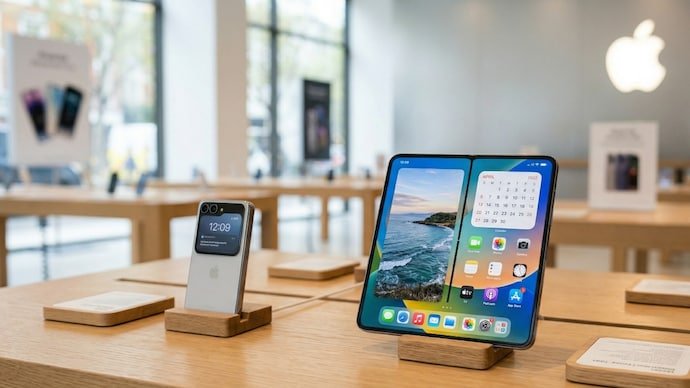
Apple is finally expected to launch its first foldable iPhone in 2026, marking its long-awaited entry into the foldable smartphone segment. Reports suggest that production preparations have already begun, with Manufacturing partners ramping up early stages of assembly. The device, often referred to as the “iPhone Fold,” has been in development for years. But while competitors released Foldable Phones as early as 2019, Apple chose to wait. The reasons? A mix of complex engineering challenges, a perfection-driven design philosophy, and careful observation of market readiness.
The Long Road to a Foldable iPhone
For nearly half a decade, speculation around a Foldable iPhone has been constant. Industry insiders, analysts, and leaks have repeatedly hinted at Apple experimenting with foldable prototypes. Yet, year after year, no official product emerged.
Now, that appears to be changing. Supply chain reports indicate that Apple has entered a critical phase of development, with trial production underway. This suggests that a 2026 launch is not just speculation it’s increasingly likely.
But the obvious question remains: Why did Apple take so long?
Engineering Challenges: The Real Reason Behind the Delay
The biggest factor slowing Apple down has been engineering complexity. Foldable smartphones are not just regular devices with a flexible screen they require entirely new approaches to design, durability, and usability.
The Problem with the Foldable Display
One of the most visible issues in current foldable phones is the screen crease. Even the best foldable devices today show a noticeable line where the display bends.
Apple reportedly refused to accept this compromise.
Instead, the company has been working to create a display that appears nearly seamless when unfolded. Achieving this requires advanced materials, precision engineering, and extensive testing.
The “Perfect Hinge” Obsession
The hinge is the backbone of any foldable phone and also its biggest weakness.
Reports suggest Apple has been experimenting with high-end materials such as liquid metal components and 3D-printed titanium alloys to build a hinge that is both durable and smooth. The goal is simple but difficult: a hinge that feels solid, lasts for years, and leaves minimal visible crease on the screen.
Early prototypes reportedly faced durability issues during stress testing, forcing Apple to go back to the drawing board multiple times.
This is classic Apple behavior delay the product rather than release something that doesn’t meet its standards.
Apple’s “Perfection Over Speed” Strategy
Apple has never been the first to enter a product category. Instead, it focuses on refining technology before launching its own version.
We’ve seen this pattern before:
- Smartphones existed before the iPhone
- Tablets existed before the iPad
- Smartwatches existed before the Apple Watch
In each case, Apple waited, observed, and then introduced a more polished product.
The foldable iPhone appears to follow the same strategy.
In short: Apple is not late it’s deliberate.
Is the Foldable Market Ready Yet?
Another key reason behind Apple’s delay may be the market itself.
Foldable smartphones, while innovative, are still not mainstream. Several factors have limited their adoption:
- High prices: Most foldables are significantly more expensive than standard smartphones
- Durability concerns: Users remain cautious about long-term reliability
- Limited use cases: Many consumers don’t see a strong reason to switch
Apple likely waited for both the technology and consumer demand to mature before entering the segment.
This approach reduces risk and increases the chances of a successful launch.
Production Update: Signs Point to a 2026 Launch
Recent reports indicate that Apple has moved into early manufacturing stages, with partners like Foxconn beginning trial production runs. This phase is crucial, as it helps identify potential issues before mass production begins.
If everything stays on track, the foldable iPhone could be unveiled alongside or shortly after Apple’s traditional iPhone launch cycle.
However, it is important to note that Apple has not officially confirmed the device yet.
Expected Features of the iPhone Fold
While official details are still under wraps, leaks and industry insights provide a glimpse into what Apple might deliver.
Design and Display
- Book-style foldable design
- Large inner display of around 7.8 inches
- Smaller outer screen of approximately 5.5 inches
Performance
- Expected to feature a next-generation chipset, possibly the A20 Pro
- Optimized for multitasking and split-screen usage
Build Quality
- Premium materials such as titanium alloys
- Improved hinge mechanism for durability
Price Range
- Estimated between $2,000 and $2,400
This pricing would place the device firmly in the ultra-premium category, targeting early adopters and power users.
| Feature | Expected Specification |
|---|---|
| Form Factor | Book-style foldable |
| Main Display | ~7.8 inches |
| Cover Display | ~5.5 inches |
| Chipset | Next-gen (likely A20 Pro) |
| Price | $2,000 – $2,400 |
Challenges Apple Still Needs to Overcome
Even as the launch approaches, several challenges remain:
- Long-term durability: Foldable screens must withstand years of use
- Software optimization: Apps need to fully utilize the foldable format
- Battery performance: Larger displays require more power
Apple’s ability to address these issues will determine how successful the iPhone Fold becomes.
What This Means for the Smartphone Industry
Apple’s entry into the foldable market could be a turning point.
Historically, when Apple adopts a technology, it often accelerates mainstream adoption. Developers optimize apps, competitors refine products, and consumer interest grows.
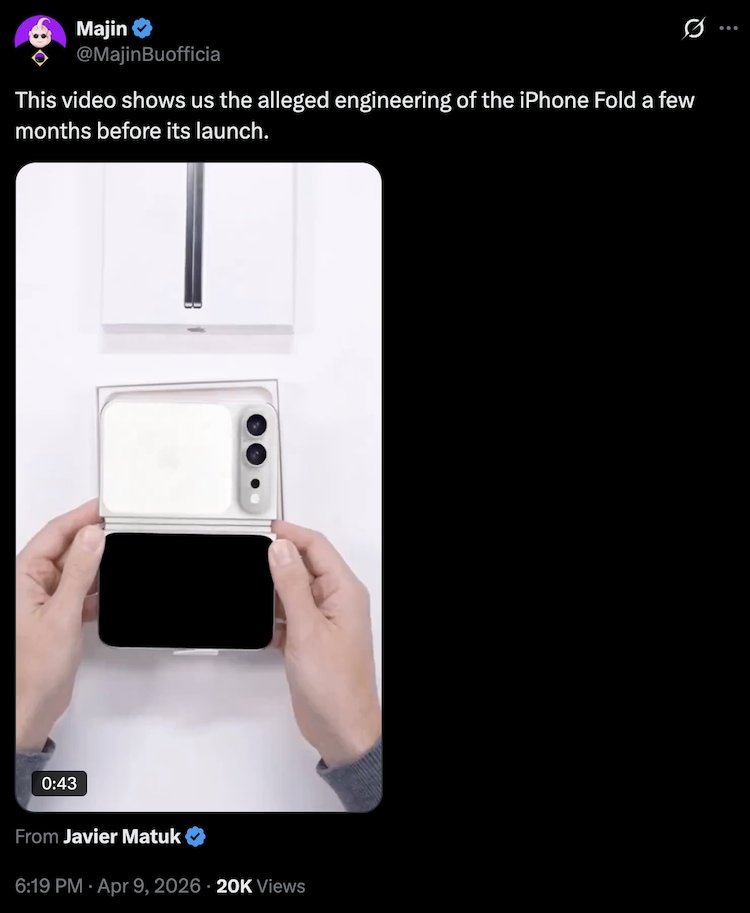
If Apple delivers a reliable and polished foldable experience, it could push the entire industry forward.
In other words, foldables might finally go from “interesting” to “essential.”
Conclusion: Late, But Potentially Game-Changing
The iPhone Fold’s delayed arrival is not a sign of hesitation it’s a reflection of Apple’s approach to Innovation. By prioritizing engineering excellence and waiting for the right market conditions, the company aims to deliver a product that meets its high standards.
As 2026 approaches, anticipation continues to build. If Apple succeeds in solving the key challenges of foldable technology, the iPhone Fold could redefine the category.
Looking ahead, the real question is not why Apple was late but whether it will once again set the benchmark for everyone else to follow.
For breaking news and live news updates, like us on Facebook or follow us on Twitter and Instagram. Read more on Latest Technology on thefoxdaily.com.






COMMENTS 0