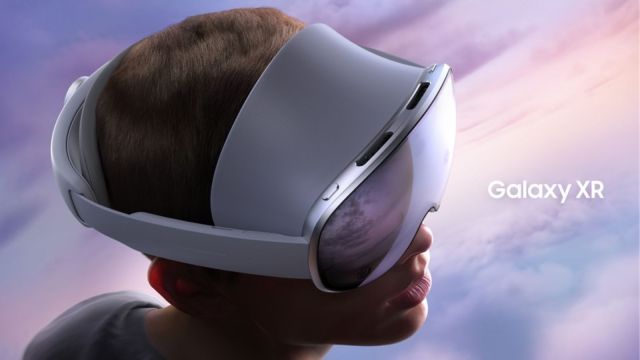
Seoul: samsung has officially launched the highly anticipated Galaxy XR headset, entering the growing mixed reality market with a bold pricing strategy. Priced at $1,800, the Galaxy XR costs nearly half as much as apple’s Vision Pro, setting the stage for intense competition in the premium XR segment.
Developed in collaboration with google and Qualcomm, the Galaxy XR makes its debut this week in the United States and south korea. Qualcomm provides the advanced chipset powering the device, while Google contributes its brand-new Android XR operating system, purpose-built for immersive extended reality experiences.
Immersive Features and Premium Design
The Samsung Galaxy XR is a next-generation mixed-reality headset that blends augmented and virtual reality – similar to Apple Vision Pro and Meta Quest 3. It supports 8K visuals and 3D augmented experiences, creating an environment where apps and content appear to float seamlessly in the user’s field of vision.
Equipped with dual 4K microdisplays and external passthrough cameras, users can view their surroundings while interacting with digital overlays. The headset supports multiple input methods including voice control, hand gestures, and eye tracking for a fully interactive experience.
Samsung has designed the Galaxy XR to be lighter and more comfortable. Weighing 545 grams, it’s significantly lighter than the 750-gram Vision Pro yet slightly heavier than the Meta Quest 3. The device also comes with a USB-C battery pack that lasts up to 2.5 hours per charge and includes an adjustable strap for enhanced fit and comfort.
Controls and Build Quality
The headset includes a touch-sensitive strip on the right side of the headband, an action button on the top right, and a volume rocker on the left. Its sleek front panel features curved glass, giving it a futuristic, high-end aesthetic similar to Apple’s design approach.
First Device to Run on Android XR
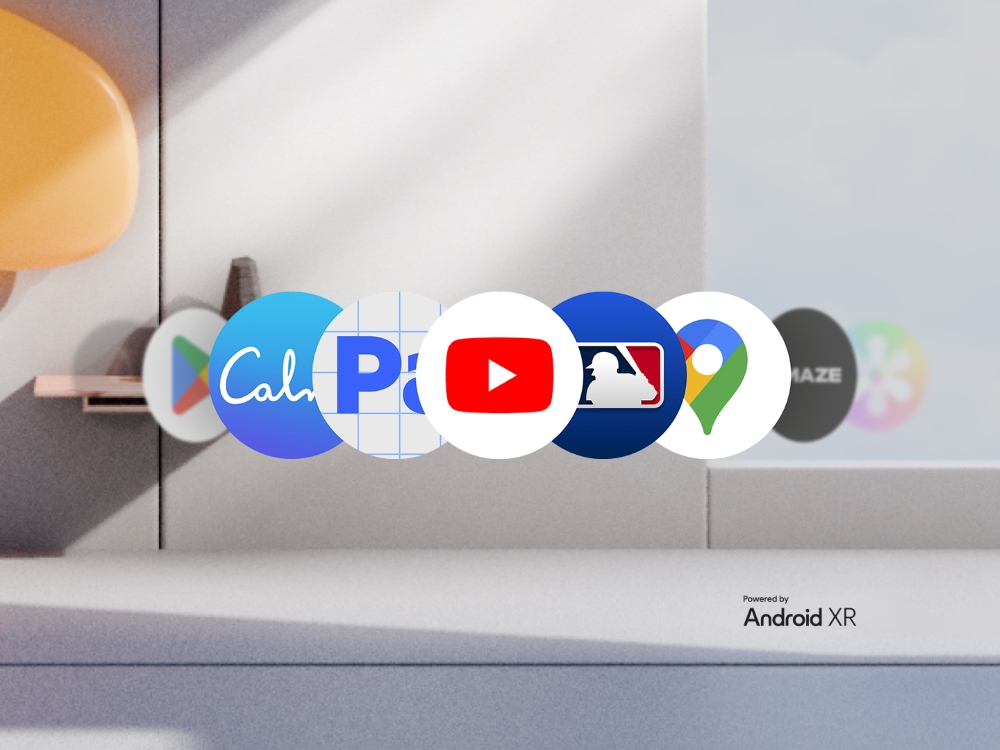
The Galaxy XR is the first headset powered by Android XR, a new operating system designed specifically for extended reality. Popular Google apps like YouTube, Google Maps, and Google Meet are fully optimized for the XR platform. Moreover, Gemini AI Assistant – Google’s advanced AI – is directly integrated, allowing voice-controlled assistance and intelligent environment interaction.
Price Comparison: Samsung vs Apple vs Meta
While Samsung’s Galaxy XR enters the market at a lower price point, it still targets early adopters and developers rather than the average consumer. To better understand where it stands, here’s a comparison:
| Headset | Price (USD) | Weight | Battery Life | Display | OS |
|---|---|---|---|---|---|
| Samsung Galaxy XR | $1,800 | 545g | 2.5 hours | Dual 4K | Android XR |
| Apple Vision Pro | $3,500 | 750g | 2 hours | Dual 4K | visionOS |
| Meta Quest 3 | $500 | 515g | 2.2 hours | 4K | Meta OS |
Challenges Facing the XR Market
Despite its technological prowess, the Galaxy XR shares common challenges with other headsets. Many consumers find these devices bulky and uncomfortable for extended use. Additionally, the lack of compelling XR content or a standout “killer app” continues to hinder mass adoption.
Apple has also faced hurdles in maintaining excitement for the Vision Pro. Early users complained about eye strain and limited use cases, leading to a decline in consumer interest. While Apple recently refreshed the headset with an upgraded M5 chip and a redesigned dual-knit band, it remains expensive for mainstream buyers.
Industry Trends: From Metaverse to AI Wearables
Tech giants are gradually shifting focus from the Metaverse to more practical AI-driven wearables. Meta has already introduced Ray-Ban smart glasses and recently unveiled the Ray-Ban Display – its first pair featuring an integrated micro-screen. This marks a major step toward everyday smart eyewear rather than fully immersive headsets.
Meanwhile, Google and Samsung are betting on the Galaxy XR as the foundation for a future lineup of AI-powered smart glasses and wearable devices that blend reality, intelligence, and style.
Conclusion
With the Galaxy XR, Samsung has entered the high-end mixed reality arena with a competitive edge in both pricing and innovation. However, for XR to go mainstream, manufacturers must solve the comfort, content, and accessibility issues that still prevent users from fully embracing this next generation of immersive computing.
For breaking news and live news updates, like us on Facebook or follow us on Twitter and Instagram. Read more on Latest Technology on thefoxdaily.com.


COMMENTS 0