- Why the Strait of Hormuz Matters So Much
- China’s Position: Non-Interference and Stability
- The US Strategy: Pressure Through Naval Power
- Impact on Global Trade and Energy Markets
- China-Iran Relations: A Key Factor
- Risk of Escalation: A Delicate Balance
- China’s Diplomatic Strategy: Playing the Long Game
- What Happens Next?
- Conclusion: A High-Stakes Standoff with Global Implications
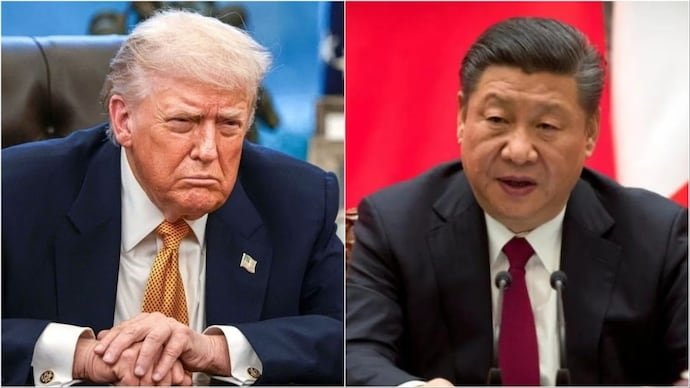
The geopolitical temperature in the Middle East rose sharply this week as China issued a stern warning to the United States over its decision to impose a naval blockade in the Strait of Hormuz. The warning came from China’s Defence Minister Admiral Dong Jun on Monday, coinciding with the launch of the US operation at 7:30 pm IST. The blockade, aimed at restricting maritime access to Iranian ports, has triggered global concerns due to the strategic importance of the waterway for energy supplies and international trade.
At the heart of the issue lies a complex mix of geopolitical rivalry, Energy Security, and regional conflict. China, heavily dependent on oil and liquefied natural gas (LNG) flowing through the Strait of Hormuz, has made it clear that it will not tolerate interference in its economic ties with Iran. Meanwhile, the United States has justified its actions as part of a broader strategy following failed negotiations with Tehran. The situation raises a crucial question: how far will global powers go in protecting their interests without tipping the balance into wider conflict?
Why the Strait of Hormuz Matters So Much
The Strait of Hormuz is not just another shipping route it is one of the most critical chokepoints in the global energy supply chain. Roughly a fifth of the world’s oil passes through this narrow waterway, connecting the Persian Gulf to the open ocean.
For China, the stakes are particularly high. The country relies on this route for nearly 40 percent of its oil imports and at least 30 percent of its LNG supplies. Any disruption here is not just inconvenient it’s economically significant.
| Factor | Significance |
|---|---|
| Global Oil Supply | ~20% passes through Hormuz |
| China’s Oil Dependency | ~40% via this route |
| China’s LNG Imports | ~30% via this route |
| Strategic Importance | Critical for global energy security |
Given these figures, China’s reaction is hardly surprising. When your energy lifeline is at stake, Diplomacy tends to get a little sharper.
China’s Position: Non-Interference and Stability
Admiral Dong Jun did not mince words when addressing the situation. He emphasized that China expects other nations, particularly the United States, to refrain from interfering in its bilateral relations with Iran.
“We have trade and energy agreements with Iran; we expect others not to interfere in our affairs,” Dong Jun stated.
This statement underscores a long-standing pillar of Chinese foreign policy: non-interference. However, in this case, it also reflects a pragmatic concern ensuring uninterrupted access to critical energy supplies.
China’s Foreign Ministry echoed similar sentiments, highlighting that maintaining safety and stability in the Strait of Hormuz is in the collective interest of the global community. The message is clear: disruption in the strait doesn’t just hurt one country it has ripple effects worldwide.
Call for Ceasefire
Chinese officials have also pointed to the broader regional conflict as the root cause of instability. According to spokesperson Guo Jiakun, the key to resolving disruptions lies in achieving a ceasefire and ending hostilities involving Iran.
This diplomatic stance positions China as a potential mediator, or at the very least, a stabilizing voice in a volatile situation. Whether that role will be accepted by all parties remains uncertain.
The US Strategy: Pressure Through Naval Power
On the other side of the equation is the United States, which has taken a markedly different approach. Following unsuccessful high-level talks with Iran, US President Donald Trump announced the initiation of a naval blockade targeting Iranian maritime access.
The operation, led by the US Central Command (Centcom), aims to monitor and potentially restrict vessels entering or leaving Iranian ports. According to official statements, the blockade will be enforced impartially, affecting ships of all nations that engage with Iranian ports.
That “impartial” part, however, is where things get complicated. In global trade, neutrality often looks different depending on which side you’re on.
What the Blockade Means in Practice
The blockade is not a traditional wartime siege but rather a strategic maritime restriction. Its implications include:
- Increased scrutiny of vessels operating near Iranian waters
- Potential delays in global shipping routes
- Rising insurance and transportation costs
- Heightened risk of military confrontation
While the US frames this as a measured response, critics argue that such actions could escalate tensions rather than contain them.
Impact on Global Trade and Energy Markets
Whenever the Strait of Hormuz makes headlines, global markets pay attention and often react quickly. Even the hint of disruption can send oil prices climbing.
With a blockade now in place, several economic consequences are already being considered:
1. Rising Oil Prices
Any restriction in supply routes typically leads to price volatility. Energy markets are particularly sensitive to geopolitical risks in the Middle East.
2. Shipping Delays
Additional inspections and security measures can slow down maritime traffic, affecting supply chains globally.
3. Increased Costs
Insurance premiums for ships traveling through the region may rise, ultimately increasing costs for businesses and consumers.
4. Strategic Realignments
Countries dependent on Middle Eastern energy may begin exploring alternative routes or suppliers though such shifts take time.
In short, what happens in the Strait of Hormuz rarely stays there it echoes across the Global Economy.
China-Iran Relations: A Key Factor
China’s strong reaction is also rooted in its growing partnership with Iran. Over the years, the two countries have strengthened ties through trade agreements, energy deals, and infrastructure projects.
This relationship is mutually beneficial:
- China secures reliable energy supplies
- Iran gains a major economic partner amid international sanctions
Any attempt to disrupt this relationship is likely to be met with resistance from Beijing. That’s exactly what we’re seeing now.
Risk of Escalation: A Delicate Balance
The situation presents a classic geopolitical dilemma. On one hand, the US aims to exert pressure on Iran. On the other, China seeks to protect its economic interests. Both objectives are valid from their respective perspectives but they are also inherently conflicting.
The real concern lies in the possibility of escalation. Naval operations in a high-traffic, strategically sensitive area increase the risk of miscalculations. Even a minor incident could have significant consequences.
And as history has shown, geopolitical tensions rarely stay contained for long especially when major powers are involved.
China’s Diplomatic Strategy: Playing the Long Game
Interestingly, China has positioned itself not just as a stakeholder but also as a potential peacemaker. By advocating for a ceasefire and emphasizing stability, Beijing is attempting to balance its economic interests with a broader diplomatic role.
This approach aligns with China’s increasing involvement in global conflict resolution efforts. It also enhances its image as a responsible global power something that carries weight in international diplomacy.
Whether this strategy will yield tangible results is still uncertain. Diplomacy, after all, is as much about timing as it is about intent.
What Happens Next?
The coming weeks will be critical in determining how the situation unfolds. Several scenarios are possible:
- De-escalation: Diplomatic efforts lead to reduced tensions and a potential easing of the blockade
- Status Quo: The blockade continues without major incidents, but tensions remain high
- Escalation: A confrontation or miscalculation triggers a broader conflict
For now, all eyes are on the Strait of Hormuz a narrow stretch of water carrying an outsized share of global attention.
Conclusion: A High-Stakes Standoff with Global Implications
The warning from China to the United States over the Strait of Hormuz blockade highlights the intricate web of global politics, energy security, and economic interdependence. What might appear as a regional issue is, in reality, a matter of global consequence.
China’s firm stance reflects its reliance on the waterway and its broader strategic interests in the Middle East. Meanwhile, the US decision to impose a blockade underscores its willingness to use military leverage in pursuit of geopolitical goals.
As tensions simmer, the need for careful diplomacy becomes increasingly urgent. The Strait of Hormuz is more than just a shipping lane it’s a lifeline for the global economy. Disrupting it is easy; stabilizing it is the real challenge.
Looking ahead, the world will be watching closely. Because in a region where every move is magnified, even a small ripple can turn into a wave.
For breaking news and live news updates, like us on Facebook or follow us on Twitter and Instagram. Read more on Latest World on thefoxdaily.com.





COMMENTS 0