- Breaking with Tradition: How Presidential Language Has Evolved
- The Role of Social Media in Modern Diplomacy
- Global Reactions: Criticism, Mockery, and Defiance
- Impact on Global Energy and Security
- Analysis: Does Aggressive Language Work in Diplomacy?
- Insight: The Psychology of Leadership Communication
- The Human Element: Leaders, Emotions, and Decision-Making
- A Touch of Realism (and a Bit of Humor)
- Comparing Leadership Styles Across Eras
- Conclusion: A Defining Moment for Modern Diplomacy
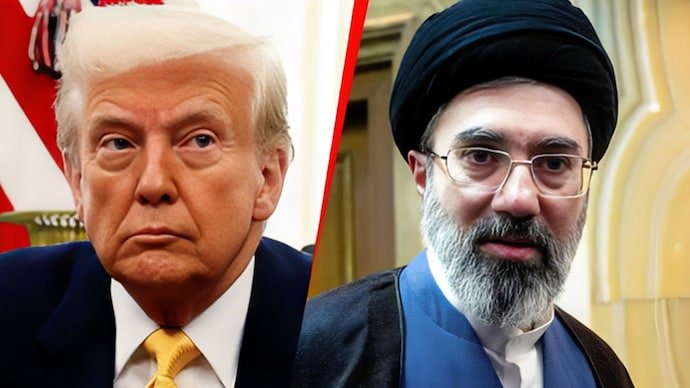
The global political landscape witnessed a sharp escalation in rhetoric when former US President Donald Trump used unusually aggressive and explicit language while addressing Iran during ongoing tensions in 2026. The incident, which unfolded on Social Media, raised serious questions about the standards of presidential communication, the impact of language on Diplomacy, and the broader implications for international stability. At the center of the debate is not just what was said, but how it was said—and what it signals about modern statecraft.
The Controversy began when Trump posted a strongly worded message directed at Iran regarding the Strait of Hormuz, a critical global oil route. The message, which included profanity and direct threats, marked a significant departure from the traditional tone used by US presidents in matters of war and diplomacy. The timing—on a major religious holiday—and the platform—social media—further amplified global reactions. The question now being asked across political and diplomatic circles is clear: has presidential rhetoric crossed a line that could affect global stability?
Breaking with Tradition: How Presidential Language Has Evolved
Historically, US presidents have used carefully measured language, especially during times of Conflict. Leaders such as George Washington, Franklin D. Roosevelt, and Ronald Reagan understood the weight their words carried. Their speeches were often crafted not just to inform, but to reassure, inspire, and stabilize both domestic and international audiences.
“The only thing we have to fear is fear itself.” — Franklin D. Roosevelt
Such statements were not merely rhetorical flourishes; they were strategic tools designed to unify and calm. Similarly, Ronald Reagan’s famous call at the Berlin Wall symbolized strength without abandoning diplomatic decorum. These examples highlight a long-standing tradition where language was seen as an extension of leadership responsibility.
In contrast, Trump’s communication style reflects a different approach—direct, unfiltered, and often confrontational. While supporters argue that this style demonstrates authenticity and strength, critics warn that it risks undermining diplomatic norms and escalating conflicts unnecessarily.
The Role of Social Media in Modern Diplomacy
One of the defining features of this controversy is the medium itself. Social media platforms have transformed how leaders communicate, allowing them to bypass traditional channels and speak directly to global audiences. While this offers immediacy and transparency, it also removes layers of review and restraint that typically accompany official statements.
Trump’s use of social media as a primary communication tool has been a hallmark of his political style. However, when such platforms are used for international messaging, the consequences can be significant. A single post can influence markets, trigger diplomatic responses, or even escalate military tensions.
In this case, the use of explicit language in a message directed at a sovereign nation blurred the line between informal expression and official policy communication.
Global Reactions: Criticism, Mockery, and Defiance
Iran’s response to the rhetoric was notably firm. Officials criticized the language as reckless and unbefitting of a global leader. State media outlets reportedly mocked the tone, framing it as a sign of instability rather than strength. The Islamic Revolutionary Guard Corps dismissed the threats, suggesting they lacked credibility.
Rather than prompting immediate compliance, the rhetoric appeared to harden positions. Iran maintained its stance on key issues, including control over the Strait of Hormuz, demonstrating that aggressive language does not always translate into strategic advantage.
Impact on Global Energy and Security
The Strait of Hormuz plays a critical role in Global energy supply, making any tension in the region a matter of international concern. Disruptions in this area can affect oil prices, shipping routes, and economic stability worldwide.
| Aspect | Global Impact |
|---|---|
| Oil Supply | A significant portion of global oil passes through the Strait |
| Market Stability | Uncertainty can lead to price volatility |
| Security Risks | Increased military presence raises chances of conflict |
When rhetoric escalates tensions in such a sensitive region, the consequences extend far beyond political discourse. Businesses, governments, and consumers all feel the ripple effects.
Analysis: Does Aggressive Language Work in Diplomacy?
A key question emerging from this situation is whether confrontational rhetoric is effective in achieving diplomatic goals. Historically, diplomacy has relied on a balance between firmness and restraint. While strong language can signal resolve, it can also provoke resistance.
- Advantages: Demonstrates strength, signals urgency, appeals to domestic audiences
- Disadvantages: Risks escalation, reduces room for negotiation, damages credibility
In this case, there is little evidence that aggressive rhetoric achieved immediate results. Iran did not alter its position significantly, and tensions remained high. This suggests that while such language may energize supporters, it does not necessarily produce diplomatic breakthroughs.
Insight: The Psychology of Leadership Communication
Leadership communication is not just about conveying information—it is about shaping perception. Words can reassure allies, deter adversaries, and influence public opinion. When language becomes overly aggressive, it can shift focus from policy to personality.
In high-stakes situations, tone often determines how messages are received. A measured statement may open doors for negotiation, while an aggressive one may close them. This dynamic is particularly important in International Relations, where misunderstandings can have serious consequences.
The Human Element: Leaders, Emotions, and Decision-Making
It is important to recognize that leaders are human, and emotions can play a role in communication. However, the expectations placed on heads of state are significantly higher due to the potential impact of their words.
Moments of frustration or anger, when expressed publicly, can influence not only diplomatic relations but also public perception. This raises questions about the balance between authenticity and responsibility in leadership.
A Touch of Realism (and a Bit of Humor)
If diplomacy were a group chat, most leaders would be carefully proofreading their messages before hitting send. In this case, it felt more like someone pressed “send” first and thought later. While that might work in everyday life, the stakes in international politics are far too high for such an approach.
Humor aside, this situation highlights the importance of discipline in communication. When global stability is involved, every word matters.
Comparing Leadership Styles Across Eras
To better understand the significance of this shift, it helps to compare leadership communication styles across different eras:
| Leader | Communication Style | Impact |
|---|---|---|
| Franklin D. Roosevelt | Calm, reassuring | Boosted public confidence during crises |
| Ronald Reagan | Inspirational, strategic | Strengthened global alliances |
| Donald Trump | Direct, confrontational | Polarized reactions, increased unpredictability |
Each style reflects its time and context, but the effectiveness of communication often depends on how well it aligns with diplomatic objectives.
Conclusion: A Defining Moment for Modern Diplomacy
The controversy surrounding Donald Trump’s rhetoric toward Iran is more than a political debate—it is a reflection of changing norms in global leadership. As communication channels evolve and political styles shift, the challenge lies in balancing directness with responsibility.
The stakes are too high for missteps. International diplomacy requires not just strong policies, but also careful communication. Whether this moment leads to a reassessment of leadership norms or becomes part of a broader trend remains to be seen.
What is certain is that words, especially from powerful leaders, are never just words. They shape perceptions, influence decisions, and, in some cases, determine the course of History.
For breaking news and live news updates, like us on Facebook or follow us on Twitter and Instagram. Read more on Latest World on thefoxdaily.com.






COMMENTS 0