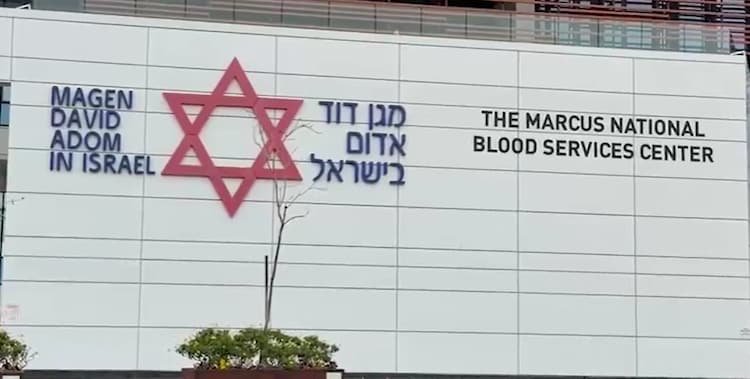
Deep beneath the surface—more than 50 meters underground—Israel operates one of the world’s most advanced and resilient emergency medical response systems. Hidden inside a heavily fortified bunker designed to withstand prolonged missile attacks, the headquarters of Magen David Adom (MDA) serves as the nerve center for life-saving operations across the country.
This exclusive ground report offers a rare inside look at both an operational emergency response vehicle and the National Emergency Dispatch Center located in Ramla. At a time when tensions and conflict continue to dominate the Middle East, Israel’s emergency infrastructure is functioning at full capacity, prepared to respond instantly to both wartime and civilian emergencies.
At the core of this system lies a high-security command facility engineered to remain fully operational even under direct threat. Every call made to Israel’s emergency hotline—101—is answered within seconds by trained professionals. Simultaneously, inputs from civilians, first responders, and security agencies across the country are processed in real time.
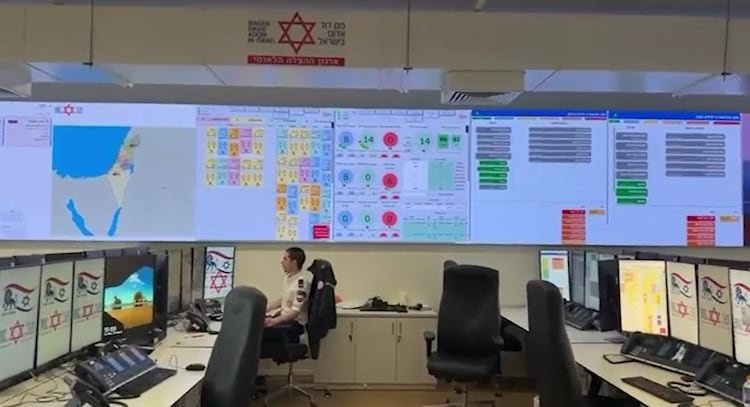
Once an emergency call is received, the system immediately identifies the caller’s location and nature of distress. The nearest response units are dispatched without delay, including ambulances, motorcycle rapid responders, Mobile Intensive Care Units (MICUs), and trained volunteers. This seamless coordination is powered by MDA’s proprietary technology, developed through years of on-ground experience and operational refinement.
Inside the command center, massive digital displays provide a live map of the entire nation. Dispatchers monitor every moving unit using GPS tracking while simultaneously analyzing real-time overlays of missile trajectories, potential impact zones, road traffic conditions, and available medical resources. Artificial Intelligence tools further enhance decision-making, significantly reducing response times.
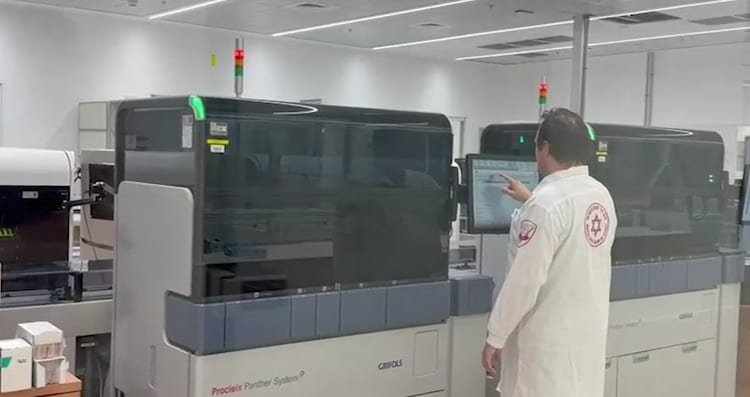
During active missile attacks, the center operates continuously, managing multiple emergencies at once. As sirens echo across cities and alerts flash across screens, dispatch teams coordinate complex rescue missions. These include responding to missile strike locations, assisting in search-and-rescue efforts alongside the Home Front Command, treating injuries caused by blasts and shrapnel, and ensuring rapid evacuation of the wounded to hospitals.
Despite the intensity of wartime operations, routine emergencies such as heart attacks, road accidents, and other medical distress cases continue without interruption, requiring equal attention and urgency.
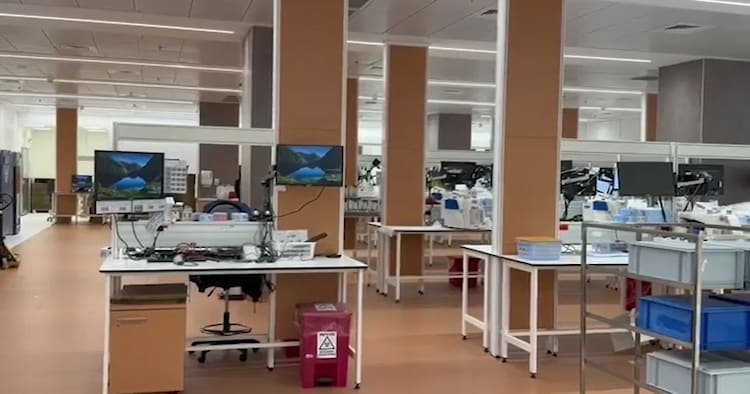
Advanced tracking systems allow command staff to monitor every responder in the field in real time. Visual markers indicating danger zones and impact areas are displayed clearly, ensuring precise coordination and enabling teams to operate efficiently even in high-risk environments.
Even when civilians are instructed to remain in protected shelters, MDA responders continue to operate on the ground. Teams conduct thorough searches at impact sites, rescue individuals trapped under debris, stabilize injured victims, and transport them safely to medical facilities.
The dispatch workflow is designed for maximum speed and efficiency. Medical operators provide immediate guidance over the phone, instructing callers on critical life-saving procedures such as CPR and bleeding control while response units are en route. In large-scale incidents involving multiple locations, the system ensures that responses are layered strategically so that no emergency is overlooked.
The Ramla command center anchors a vast nationwide network. MDA’s operational fleet includes over 2,000 ambulances and MICUs, 650 emergency motorcycles, 230 rapid response vehicles, five helicopters, five intensive-care buses, and specialized sea rescue units. Supporting this infrastructure is a workforce of approximately 3,200 personnel and an extensive volunteer network of nearly 36,000 individuals.
| Component | Details |
|---|---|
| Emergency Fleet | 2,000+ ambulances and MICUs |
| Rapid Response Units | 650 motorcycles, 230 emergency vehicles |
| Air & Sea Support | 5 helicopters, sea rescue units |
| Human Resources | 3,200 staff and 36,000 volunteers |
| Annual Call Volume | Over 3.7 million emergency calls |
| Response Time | Average of approximately 2 seconds |
Established in 1930, Magen David Adom is a non-profit, non-governmental organization officially recognized by the International Red Cross and Red Crescent Movement. It is responsible for providing comprehensive pre-hospital emergency medical services throughout Israel, including ambulance services, paramedic care, and both air and ground evacuations.
The organization’s dispatch centers collectively handle more than 3.7 million calls each year, maintaining an impressive average response initiation time of just two seconds. This efficiency is supported by one of the largest volunteer-based emergency response networks globally, comprising doctors, paramedics, and trained EMTs from diverse backgrounds.
Beyond emergency response, MDA also manages Israel’s National Blood Services, ensuring a continuous supply of blood and blood products to hospitals and the military. It also operates the National Human Milk Bank, providing critical support for premature and vulnerable infants. Additionally, the organization plays a vital role in disaster response, humanitarian missions, and community resilience programs.
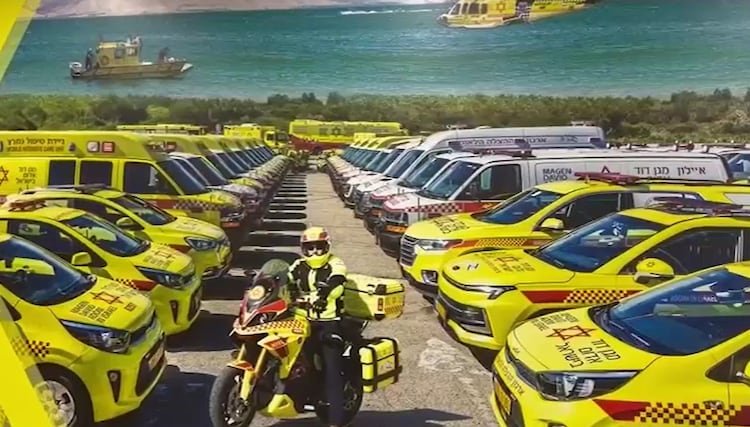
Back inside the fortified command center in Ramla, operations never slow down. Calls continue to stream in, screens remain in constant motion, and teams stay on high alert. Every few seconds, a new emergency response is deployed—often reaching those in need within minutes—demonstrating a system built not just for efficiency, but for survival under pressure.
For breaking news and live news updates, like us on Facebook or follow us on Twitter and Instagram. Read more on Latest World on thefoxdaily.com.






COMMENTS 0