- What Is the Proposed Ceasefire Plan?
- Why the Strait of Hormuz Matters
- Trump’s Deadline and Escalating Rhetoric
- Role of Pakistan and the ‘Islamabad Accord’
- Ongoing Conflict and Regional Impact
- Global Economic Implications
- Analysis: Why Iran Is Holding Its Position
- Insight: The Challenge of Temporary Ceasefires
- What Happens Next?
- Conclusion
The United States and Iran are currently reviewing a proposed ceasefire framework aimed at reducing escalating hostilities in the Middle East. However, a major sticking point has emerged, with Tehran firmly stating that it will not reopen the strategically vital Strait of Hormuz as part of any temporary truce.
The proposal, informally referred to as the “Islamabad Accord,” outlines a two-phase approach: an immediate ceasefire followed by negotiations toward a broader and more permanent agreement. The discussions involve multiple stakeholders, including US officials, Iranian leadership, and regional mediators, with Pakistan reportedly playing a key diplomatic role.
What Is the Proposed Ceasefire Plan?
According to sources familiar with the discussions, the framework being considered includes a short-term ceasefire—reportedly around 45 days—designed to create space for more comprehensive negotiations. This phased approach is often used in conflict resolution to build trust before committing to long-term agreements.
The proposed structure includes:
- An immediate halt to military actions by both sides
- A temporary pause in strategic escalations
- Follow-up negotiations for a broader peace agreement
However, despite these efforts, the issue of the Strait of Hormuz has emerged as a critical point of disagreement.
Why the Strait of Hormuz Matters
The Strait of Hormuz is one of the most strategically important waterways in the world. Roughly 20 percent of global oil and natural gas shipments pass through this narrow channel, making it a critical artery for international energy markets.
Iran’s decision to keep the strait closed—even during ceasefire discussions—signals its intent to retain leverage in negotiations.
“Iran won’t reopen the Strait as part of a temporary ceasefire. Tehran would not accept pressures or deadlines,” a senior official said.
This position underscores the broader geopolitical stakes involved, where economic pressure points are closely tied to military and diplomatic strategies.
Trump’s Deadline and Escalating Rhetoric
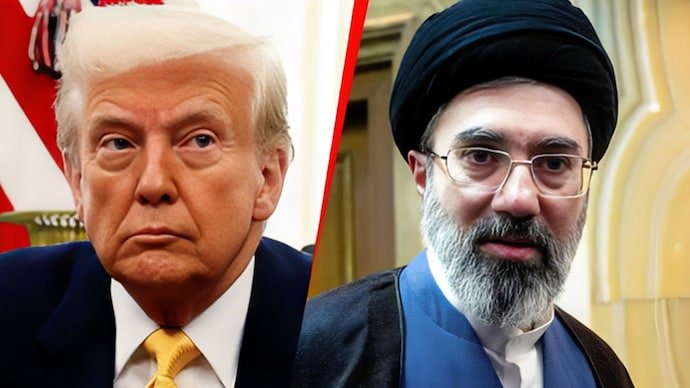
US President Donald Trump has taken a firm stance on the issue, warning Iran of severe consequences if it refuses to comply with demands, including reopening the Strait of Hormuz. In recent statements, Trump indicated that failure to reach an agreement could lead to intensified military action targeting Iranian energy and transport infrastructure.
Initially setting a deadline for compliance, the timeline was later extended by 20 hours, reflecting ongoing negotiations but also increasing pressure on Tehran.
Trump warned of “raining hell down” on Iran if talks collapse, highlighting the high-stakes nature of the situation.
Such strong rhetoric, while aimed at pushing negotiations forward, also raises concerns about further escalation if Diplomacy fails.
Role of Pakistan and the ‘Islamabad Accord’
Pakistan has emerged as a key intermediary in the ongoing discussions. Reports suggest that senior officials, including Pakistan’s Army chief, have been in continuous communication with US and Iranian counterparts.
The proposed framework has been tentatively named the “Islamabad Accord,” reflecting Pakistan’s role in facilitating dialogue between the two sides.
Diplomatic mediation in such conflicts often involves balancing competing interests, and Pakistan’s involvement highlights the regional dimension of the crisis.
Ongoing Conflict and Regional Impact
Even as ceasefire talks continue, the situation on the ground remains volatile. Aerial strikes and military actions have persisted across the region, more than five weeks after the conflict intensified.
The ongoing hostilities have already resulted in:
- Thousands of casualties
- Significant damage to infrastructure
- Heightened tensions across the Middle East
In response to military actions, Iran has not only closed the Strait of Hormuz but also carried out strikes targeting US and allied positions, as well as energy infrastructure in the Gulf region.
Global Economic Implications
The closure of the Strait of Hormuz has had immediate repercussions on global markets. oil prices have surged due to concerns over supply disruptions, highlighting the interconnected nature of Geopolitics and economics.
| Factor | Impact |
|---|---|
| Closure of Hormuz Strait | Disruption of ~20% global oil supply |
| Ongoing conflict | Increased geopolitical uncertainty |
| Rising oil prices | Global economic pressure |
| Ceasefire uncertainty | Market volatility |
For many countries, especially those heavily dependent on energy imports, the situation poses a serious economic challenge.
Analysis: Why Iran Is Holding Its Position
Iran’s refusal to reopen the Strait of Hormuz as part of a temporary ceasefire is not just a tactical decision—it is a strategic one. By maintaining control over a critical global chokepoint, Tehran retains significant bargaining power.
From a negotiation perspective, conceding such leverage early could weaken its position in future talks. This explains why Iran is pushing for a more comprehensive agreement rather than a short-term arrangement.
At the same time, the US approach reflects a different strategy—seeking immediate de-escalation while maintaining pressure through deadlines and potential military action.
This divergence in approaches is a key reason why negotiations remain complex and uncertain.
Insight: The Challenge of Temporary Ceasefires
Temporary ceasefires often serve as stepping stones toward lasting peace, but they come with inherent risks. Without clear commitments from both sides, such agreements can quickly collapse.
In this case, the disagreement over the Strait of Hormuz illustrates how even a single issue can derail broader negotiations.
It also highlights a broader reality: in high-stakes geopolitical conflicts, economic assets like trade routes can be just as important as military strength.
And if there’s a slightly ironic twist, it’s this—while both sides are discussing peace, the very tools they use for leverage are what keep tensions alive.
What Happens Next?
With negotiations still ongoing, the immediate future remains uncertain. Much will depend on whether both sides can find common ground on key issues, particularly the reopening of the Strait of Hormuz.
Diplomatic efforts are likely to continue, with mediators working to bridge gaps and prevent further escalation. However, the presence of deadlines and ongoing military activity adds urgency—and risk—to the process.
Conclusion
The proposed ceasefire framework between the United States and Iran represents a significant diplomatic effort to de-escalate tensions in the Middle East. However, Iran’s refusal to reopen the Strait of Hormuz as part of a temporary truce underscores the challenges involved.
As both sides weigh their options, the stakes remain high—not just for the region, but for the Global Economy. The outcome of these negotiations will likely shape the trajectory of the conflict and its wider implications.
For now, the message is clear: while talks continue, trust remains limited—and the path to peace is anything but straightforward.
For breaking news and live news updates, like us on Facebook or follow us on Twitter and Instagram. Read more on Latest World on thefoxdaily.com.





COMMENTS 0