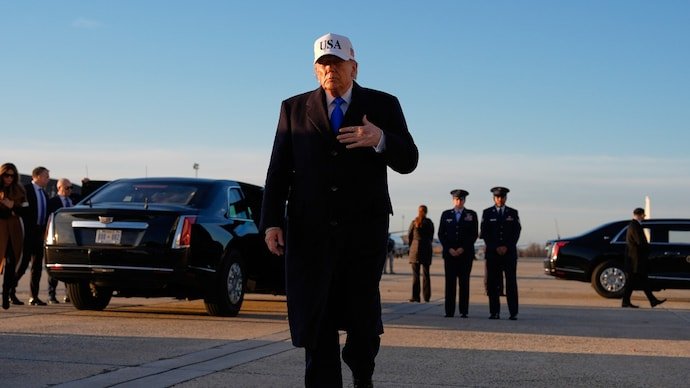
- Trump’s Strait of Hormuz Strategy Under Scrutiny
- Claims on Iran’s Nuclear Program Questioned
- Iran’s Military Strategy and Tactical Advantage
- Key Strategic Miscalculations
- Advisory Circle and Leadership Concerns
- Underlying Cause of the Conflict
- Iran’s Long-Term Strategy
- Global Economic Impact and Timeline
- Shift in Global Alliances
- Broader Strategic Consequences
- Possible Endgame Scenarios
The ongoing Israel-US-Iran conflict has entered a phase few policymakers in Washington had anticipated. Even fewer are willing to admit that the situation may be spiraling out of control. As U.S. and Israeli forces continue to strike targets across Iran — reportedly exceeding 7,000 — the Strait of Hormuz remains effectively blocked, Gulf oil infrastructure has suffered extensive damage, and the Iranian regime appears more resilient than before.
In an in-depth interview, geopolitical researcher Shaiel Ben-Ephraim offers a harsh assessment of the war, arguing that it was driven more by domestic political calculations than coherent military strategy. According to him, the conflict is already moving toward what he describes as a “managed defeat,” which may eventually be presented publicly as a strategic victory.
Ben-Ephraim, who has held discussions with both Israeli and American officials prior to the interview, highlights that Iran’s nuclear program remains largely intact. He emphasizes that Iran’s strategy of targeting vulnerable oil infrastructure instead of heavily fortified military sites has outmaneuvered Western intelligence agencies. Meanwhile, traditional U.S. allies in the Gulf are quietly recalibrating their geopolitical alignment, increasingly leaning toward china.
He predicts that within weeks, former U.S. President Donald Trump may declare victory — a claim that, in his view, will lack credibility both domestically and internationally.
Trump’s Strait of Hormuz Strategy Under Scrutiny
Addressing Trump’s press conference urging allies to help reopen the Strait of Hormuz, Ben-Ephraim describes it as a “desperate appeal.” He argues that Trump underestimated the risks at the outset and is now attempting to distribute responsibility among allies to avoid bearing the full consequences.
Efforts to pressure or persuade other nations into intervening have largely failed. According to Ben-Ephraim, the fundamental issue is that there is no clear military solution to the crisis. Domestically, the situation is becoming a growing political liability, even among Trump’s core supporters.
He also points out that controversial foreign policy moves — such as the Greenland proposal — alienated key NATO allies at a critical time, weakening diplomatic support when it was most needed.
Claims on Iran’s Nuclear Program Questioned
Ben-Ephraim strongly disputes claims that Iran’s nuclear ambitions have been neutralized. Based on his conversations with officials, he states that the program has suffered minimal damage. He explains that the only definitive way to halt Iran’s nuclear capability would be to physically remove enriched materials — an almost impossible task.
He further argues that continued military strikes are counterproductive, strengthening Iran’s resolve rather than weakening it. Instead of destabilizing the regime, the attacks are consolidating domestic support within Iran.
Regarding the reported number of targets hit, Ben-Ephraim acknowledges that numerous strikes have occurred. However, he stresses that these operations have failed to achieve meaningful strategic objectives, leading to increasing frustration among U.S. and Israeli leadership.
Iran’s Military Strategy and Tactical Advantage
Iran’s response has surprised analysts with its precision and effectiveness. While warnings had been issued about potential retaliation, the scale and targeting strategy exceeded expectations. Instead of focusing solely on military bases, Iran strategically targeted oil infrastructure — a critical vulnerability in the regional economy.
This approach allowed Iran to inflict significant economic damage while avoiding heavily fortified military targets. According to Ben-Ephraim, even intelligence agencies like the CIA and Israeli military intelligence did not fully anticipate this level of sophistication.
Key Strategic Miscalculations
| Area | Expectation | Reality |
|---|---|---|
| Iran’s Nuclear Program | Severely damaged | Remains largely intact |
| Military Dominance | Quick strategic success | No clear objectives achieved |
| Allied Support | Strong NATO backing | Allies hesitant and divided |
| Economic Impact | Manageable disruption | Severe global economic risk |
| Iran’s Response | Limited retaliation | Highly strategic infrastructure attacks |
Advisory Circle and Leadership Concerns
Ben-Ephraim criticizes the advisory network influencing Trump’s decisions, naming figures such as Jared Kushner, Steve Witkoff, and Senator Lindsey Graham. He describes them as lacking the strategic depth required for such a complex geopolitical crisis.
More experienced voices, including military leadership and seasoned policymakers, have reportedly been sidelined. This pattern, he notes, mirrors historical cases where leaders isolate themselves within echo chambers, leading to flawed decision-making.
Underlying Cause of the Conflict
According to Ben-Ephraim, the war lacks a coherent strategic foundation. Instead, multiple justifications have been presented without a consistent narrative. He attributes the timing of the conflict primarily to Israeli domestic politics, particularly Prime Minister Benjamin Netanyahu’s need to consolidate political support ahead of elections.
Iran, as a widely supported adversary within Israel, provided an opportunity to unify public opinion and shift focus from internal challenges.
Iran’s Long-Term Strategy
Iran is adopting a calculated, long-term approach. Contrary to claims that its missile reserves are depleting, Ben-Ephraim argues that Iran is deliberately conserving resources. By prolonging the conflict, Iran aims to maximize economic pressure on the United States and its allies.
The country has also developed methods to bypass Israel’s Iron Dome defense system, holding back its full capabilities for strategic timing.
Global Economic Impact and Timeline
The economic consequences of the conflict are expected to intensify rapidly. Estimates suggest that within six to eight weeks, global markets could face severe disruptions. Financial institutions like J.P. Morgan have already indicated a significant probability of a global recession.
The Gulf states, heavily reliant on oil exports and economic diversification projects, are particularly vulnerable. Prolonged instability could undermine their transformation into global financial and tourism hubs.
Shift in Global Alliances
The crisis is accelerating a shift in global power dynamics. Gulf nations, once firmly aligned with the United States, are increasingly exploring partnerships with China. Beijing’s focus on trade and stability, rather than military intervention, makes it an attractive alternative.
At the same time, the credibility of U.S. security guarantees is being questioned, not only in the Middle East but also among European allies.
Broader Strategic Consequences
While rising oil prices have provided short-term gains for Russia, the long-term impact may be limited. Europe is strengthening its defense posture and increasing support for Ukraine, potentially offsetting Russia’s advantages.
Ben-Ephraim predicts that the Ukraine conflict may evolve into a prolonged stalemate, eventually leading to a negotiated ceasefire without a decisive victory for either side.
Possible Endgame Scenarios
Looking ahead, Ben-Ephraim suggests that the conflict may not last beyond a few months. Mounting economic pressure and diplomatic strain are likely to force a de-escalation. He believes Trump may eventually declare victory regardless of the outcome, framing the situation as a success.
However, such a declaration is unlikely to restore credibility. Instead, it may leave lasting political and strategic repercussions, both domestically and internationally.
On the domestic front, the political fallout could be significant. With midterm elections approaching, economic instability and foreign policy challenges may contribute to major electoral losses for Republicans, potentially reshaping the U.S. political landscape.
For breaking news and live news updates, like us on Facebook or follow us on Twitter and Instagram. Read more on Latest World on thefoxdaily.com.






COMMENTS 0