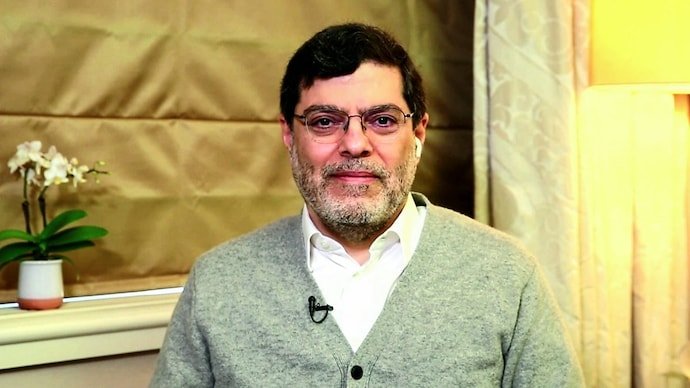
A prominent Iranian political analyst has claimed that there are currently no active negotiations between Iran and the United States, despite signals from Washington suggesting progress. He warned that any potential ceasefire could be used by the US and Israel to regroup and intensify their strategy against Iran.
Seyed Mohammad Marandi, a professor at the University of Tehran, made these remarks during a televised interview, where he strongly criticised both US President Donald Trump and Israeli Prime Minister Benjamin Netanyahu.
According to Marandi, ongoing communication between the two sides should not be mistaken for formal negotiations. He emphasised that there is currently no structured dialogue taking place to resolve the conflict.
Ceasefire Could Lead to Strategic Reset, Not Peace
Marandi suggested that any ceasefire agreement may not signal the end of hostilities but rather a temporary pause. He argued that such a break could allow the United States and Israel to reorganise their approach before launching further actions against Iran.
This perspective contrasts with recent statements from US leadership indicating that diplomatic efforts are making progress. Iran, however, has maintained that it has not engaged in formal talks regarding a resolution.
Accusations Against US and Israeli Leadership
The Iranian analyst accused both Donald Trump and Benjamin Netanyahu of coordinating actions against Iran, alleging that their policies are contributing to instability in the region and beyond.
He also claimed that the ongoing conflict is being driven by strategic interests that extend beyond immediate security concerns, raising questions about long-term geopolitical objectives.
Concerns Over Global Economic Impact
Marandi criticised the handling of the conflict, stating that global economic stability is being undermined. He argued that the actions of major powers are contributing to volatility in international markets.
He further claimed that statements about progress in negotiations may be aimed at calming financial markets, particularly in the United States.
Despite these concerns, global financial indicators, including the US dollar, have shown mixed trends since the conflict began, reflecting the complex economic dynamics at play.
Warning Over Potential Ground Invasion
Addressing the possibility of a US ground invasion, Marandi warned that such a move could lead to significant consequences. He suggested that failure to de-escalate in such a scenario could damage US credibility on the global stage.
Reports indicate that the Pentagon is evaluating options for ground operations, though no final decision has been confirmed. At the same time, Iran has reportedly increased military preparedness in response to perceived threats.
Marandi asserted that Iran has long anticipated potential conflict scenarios and has prepared accordingly, suggesting that any large-scale invasion would face strong resistance.
Conflict Framed as Survival for Iran
The analyst described the ongoing confrontation as a struggle for national survival from Iran’s perspective, emphasising the country’s determination to defend its sovereignty and regional position.
He stated that Iran would continue to resist until it can no longer be targeted through strategic regions such as the Persian Gulf, highlighting the broader implications of the conflict.
Claims About Influence on US Decision-Making
Marandi also alleged that Israeli interests are exerting significant influence over US decision-making in the conflict. He suggested that internal dynamics within the US administration may be shaping the course of events.
These claims reflect ongoing tensions and differing narratives surrounding the leadership and direction of the conflict.
Iran Demands Reparations for War Damages
Reiterating Iran’s position, Marandi stated that the country would seek reparations from the United States and its allies for damages caused during the conflict. He framed the war as a matter of survival for Iran, in contrast to what he described as a strategic choice by the US.
Iranian officials have indicated that a full assessment of losses, including casualties and economic damage, will be conducted, and that accountability will be a key demand in any post-conflict scenario.
The demand for reparations adds another layer of complexity to an already volatile situation, potentially complicating future diplomatic efforts.
Uncertain Outlook Amid Rising Tensions
As the conflict continues, uncertainty remains over the path forward. With differing claims about negotiations, potential military escalation, and economic consequences, the situation remains highly fluid.
Analysts warn that without clear diplomatic engagement, the risk of further escalation could grow, making long-term stability in the region increasingly difficult to achieve.
For breaking news and live news updates, like us on Facebook or follow us on Twitter and Instagram. Read more on Latest World on thefoxdaily.com.





COMMENTS 0