Geneva Meeting to Focus on Enrichment Limits, Monitoring Mechanisms, and Sanctions Relief
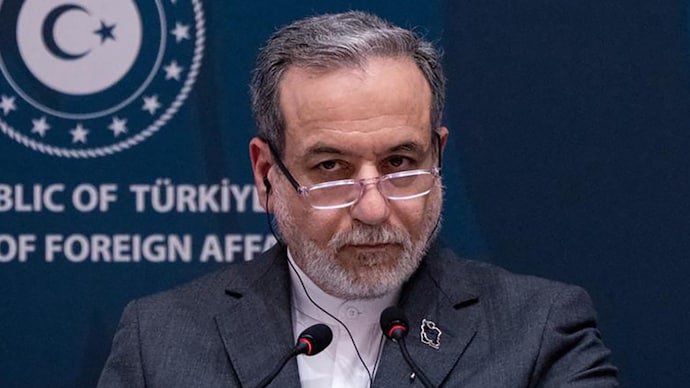
Iran’s Foreign Minister Abbas Araghchi arrived in Geneva on Sunday to lead Tehran’s delegation into a crucial second round of indirect nuclear negotiations with the United States. The diplomatic engagement comes at a sensitive moment marked by renewed regional tensions and an expanded US military presence in the Arabian waters.
According to Iran’s Foreign Ministry, Araghchi departed Tehran late Sunday at the head of a “diplomatic and technical delegation” for meetings in Switzerland ahead of Tuesday’s negotiations. As with the first round held earlier this month in Muscat, the upcoming talks will be mediated by Oman.
“Indirect Iran-US nuclear talks will be held on Tuesday with the mediation and good offices of Oman,” the ministry confirmed in an official statement.
The Geneva discussions are expected to center on the contours of a potential agreement, including limits on uranium enrichment, enhanced monitoring by international inspectors, and phased sanctions relief. While US envoys are anticipated to participate, neither side has publicly detailed the level or format of American representation.
Diplomacy Resumes Amid Lingering Nuclear Tensions
This round of negotiations follows months of diplomatic stagnation and heightened confrontation. In mid-2025, tensions escalated dramatically during a 12-day confrontation that saw the United States conduct strikes on Iranian nuclear facilities. The episode further strained relations and deepened mistrust between Washington and Tehran.
Iranian officials have indicated that Araghchi is also scheduled to meet with Rafael Grossi, Director General of the International Atomic Energy Agency (IAEA), as well as representatives from Switzerland and Oman during his Geneva visit. These meetings are viewed as part of a broader diplomatic effort to reestablish communication channels and address mounting international concerns over Iran’s expanding stockpile of highly enriched uranium.
An Iranian envoy stated that Tehran seeks a “balanced and economically beneficial” agreement, emphasizing that sanctions relief remains a key priority for the Iranian government.
Formal negotiations between Iran and the United States had stalled following last year’s conflict between Iran and Israel, which disrupted earlier diplomatic tracks and intensified scrutiny of Iran’s nuclear and missile programs.
US Military Buildup Signals Strategic Pressure
The diplomatic initiative unfolds alongside a visible show of force by the United States. Washington has deployed two aircraft carriers — the USS Abraham Lincoln and the USS Gerald R. Ford — to reinforce its military posture in the Middle East.
President Donald Trump has underscored that while diplomacy remains the preferred route, military options remain on the table if negotiations fail.
“We’ll need it if we don’t have an agreement. We recently received one out there. If we need it, we have it ready. A big, a very big force,” Trump stated.
When asked about the prospects for a successful diplomatic outcome, he added: “I think they’ll be successful, and if they’re not, it’s going to be a bad day for Iran, very bad.”
According to US officials speaking to American media outlets, the administration is evaluating multiple scenarios, including continued diplomatic engagement or, if talks collapse, potential strikes targeting Iranian nuclear and missile infrastructure.
Israel Demands Maximum Restrictions on Enrichment
As negotiations resume, Israel has reiterated its demand for stringent and irreversible restrictions on Iran’s nuclear program. Prime Minister Benjamin Netanyahu has called for the complete dismantling of Iran’s enrichment capabilities.
“The first is that all enriched material has to leave Iran,” Netanyahu said. “Dismantle the equipment and the infrastructure that allows you to enrich in the first place.”
While Iran maintains that its nuclear program is strictly civilian in nature, Israel views Tehran’s enrichment levels and ballistic missile development as existential security threats. The divergence underscores the broader geopolitical stakes surrounding the Geneva talks.
Deep Mistrust Clouds Negotiations
Despite renewed engagement, mutual skepticism remains high. President Trump has publicly questioned Iran’s commitment to meaningful compromise, remarking that Iranian officials “want to talk, but so far they do a lot of talking and no action.”
For Tehran, assurances of sanctions relief and economic normalization are central demands. For Washington and its regional allies, verifiable restrictions and intrusive inspections are non-negotiable components of any future deal.
What Is at Stake in Geneva?
The outcome of this second round of negotiations could determine whether both sides move closer to a comprehensive nuclear framework or slide back toward confrontation. With regional stability already fragile following prior conflicts and domestic unrest in parts of the Middle East, the diplomatic path carries significant global implications.
Observers note that while progress may be incremental, even limited confidence-building measures could help reduce the risk of escalation. Conversely, a breakdown in talks could intensify military brinkmanship and economic pressure.
As Araghchi’s delegation engages in high-stakes discussions in Geneva, the international community watches closely — aware that the direction of these negotiations may shape Middle Eastern Geopolitics for years to come.
For breaking news and live news updates, like us on Facebook or follow us on Twitter and Instagram. Read more on Latest World on thefoxdaily.com.






COMMENTS 0