- Israel’s Position: Clear Doubts Over Pakistan’s Credibility
- United States Strategy: Expanding Diplomatic Channels
- Lebanon Crisis: Violence Escalates Despite Ceasefire Efforts
- Ceasefire Complexity: Not a Universal Pause
- Pakistan’s Diplomatic Push: The Islamabad Talks
- Geopolitical Landscape: A Complex Web of Interests
- Challenges to Effective Mediation
- Conclusion: Uncertain Path Ahead
The ongoing Middle East conflict has taken a new diplomatic turn as Israel’s Ambassador to India, Reuven Azar, openly rejected Pakistan’s role as a credible mediator. Speaking in New Delhi, Azar questioned Islamabad’s reliability even as the United States continues to engage Pakistan in efforts linked to tensions involving Iran and its regional allies. These developments come at a time of escalating violence, particularly in Lebanon, where one of the deadliest days in recent conflict has intensified global concern.
Israel’s Position: Clear Doubts Over Pakistan’s Credibility
Reuven Azar made Israel’s stance unmistakably clear-Pakistan is not viewed as a trustworthy intermediary. His remarks reflect broader concerns within Israeli leadership about neutrality, geopolitical alignments, and past positions taken by Islamabad.
“We don’t see Pakistan as a credible player,” Azar stated, emphasizing that the United States is engaging Pakistan for its own strategic reasons.
This statement highlights a subtle but important divide. While Israel remains closely aligned with the United States, it does not necessarily endorse every diplomatic pathway Washington chooses to explore.
Why Israel Is Skeptical
Israel’s skepticism is rooted in long-standing geopolitical realities. Pakistan has historically maintained positions and alliances that do not align with Israeli interests. Additionally, the absence of formal diplomatic ties between the two nations further deepens mistrust.
Azar also referenced how the United States has previously worked with countries like Qatar and Turkey to facilitate negotiations in complex situations. However, such arrangements are often driven by necessity rather than mutual confidence.
In practical terms, Israel appears to be saying: diplomacy is fine-but not with just anyone.
United States Strategy: Expanding Diplomatic Channels
The United States, on the other hand, seems to be taking a more flexible and pragmatic approach. By involving Pakistan, Washington is attempting to broaden its diplomatic reach and increase the chances of de-escalation.
This approach reflects a long-standing strategy-engaging countries that maintain communication with multiple sides of a conflict. While not always ideal, it often proves effective in opening channels that would otherwise remain closed.
“For us, it is very important to stay in sync with the United States when it comes to the substance and the essence of the outcome we want to see,” Azar added.
This suggests that while Israel may disagree with the method, it remains aligned with the overall goal of achieving stability in the region.
Lebanon Crisis: Violence Escalates Despite Ceasefire Efforts
Even as diplomatic efforts continue, the situation on the ground has worsened significantly. Lebanon experienced a devastating escalation, with Israeli strikes targeting densely populated areas in central Beirut.
According to Lebanese authorities, at least 182 people were killed and hundreds injured-making it the deadliest day in the current phase of the conflict involving Hezbollah.
Key Facts About the Lebanon Escalation
| Aspect | Details |
|---|---|
| Location | Central Beirut, Lebanon |
| Casualties | 182+ killed, hundreds injured |
| Conflict Context | Israel-Hezbollah escalation |
| Timing | Hours after ceasefire announcement |
The timing of these strikes raised immediate questions about the scope of the ceasefire and whether it truly applied across all fronts.
Ceasefire Complexity: Not a Universal Pause
Clarifying the situation, US leadership indicated that Lebanon was not included in the ceasefire agreement. The conflict involving Hezbollah was described as a separate issue.
This distinction underscores the fragmented nature of the broader Middle East conflict. Multiple overlapping tensions mean that even when one front cools down, another can heat up simultaneously.
In simple terms, a ceasefire in one area does not guarantee peace everywhere-a reality that continues to challenge diplomats and policymakers alike.
Pakistan’s Diplomatic Push: The Islamabad Talks
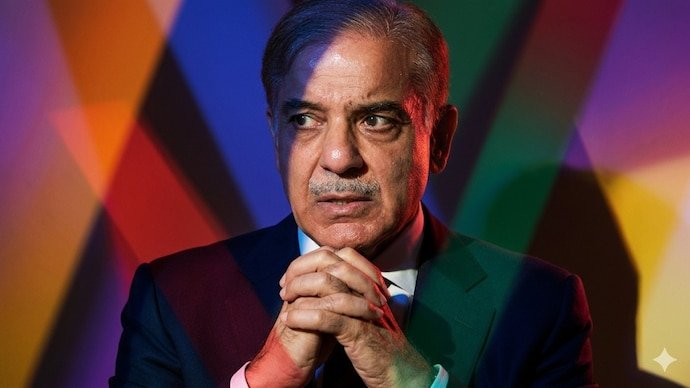
Amid the unfolding crisis, Pakistan has stepped forward with a proposal to host talks between the United States and Iran. Prime Minister Shehbaz Sharif announced plans to bring representatives from both sides to Islamabad in an effort to finalize a broader ceasefire.
“Both parties have displayed remarkable wisdom and understanding and have remained constructively engaged in furthering the cause of peace and stability,” Sharif said.
He expressed hope that what he termed the “Islamabad Talks” could pave the way for sustainable peace in the region.
Pakistan’s Objectives
- Position itself as a key diplomatic mediator
- Strengthen international credibility
- Enhance relations with both the US and Iran
- Promote regional stability
However, Israel’s outright rejection of Pakistan’s role highlights the challenges Islamabad faces in gaining universal acceptance.
Geopolitical Landscape: A Complex Web of Interests
The current conflict is far from straightforward. It involves multiple nations, alliances, and competing interests, making resolution particularly difficult.
Main Stakeholders
- Israel: Focused on national security and countering threats from Iran and Hezbollah
- United States: Acting as a global mediator and strategic partner
- Iran: A central figure with strong regional influence
- Pakistan: Attempting to expand its diplomatic role
- Lebanon (Hezbollah): Active conflict zone with ongoing violence
Each player brings its own priorities to the table, often complicating efforts to find common ground.
Challenges to Effective Mediation
Achieving peace in such a volatile environment is no easy task. Several factors make mediation particularly difficult:
- Trust Deficit: Parties often question the neutrality of mediators
- Multiple Conflict Zones: Different fronts operate independently
- Political Interests: National agendas can override peace efforts
- Rapid Escalation: Ground realities can change faster than diplomacy can respond
These challenges explain why even well-intentioned diplomatic initiatives often struggle to deliver immediate results.
Conclusion: Uncertain Path Ahead
The rejection of Pakistan as a mediator by Israel highlights deeper divisions within the international approach to resolving the Middle East conflict. While the United States continues to explore diverse diplomatic channels, not all stakeholders are on board with every strategy.
At the same time, escalating violence in Lebanon serves as a stark reminder that diplomacy alone cannot immediately halt conflict on the ground. The situation remains fluid, with multiple fronts evolving simultaneously.
Looking ahead, the success of any peace effort will depend on building trust, aligning strategic interests, and ensuring that ceasefire agreements are comprehensive rather than selective. Until then, the region is likely to remain on edge-where diplomacy and conflict continue to unfold side by side.
For breaking news and live news updates, like us on Facebook or follow us on Twitter and Instagram. Read more on Latest World on thefoxdaily.com.





COMMENTS 0