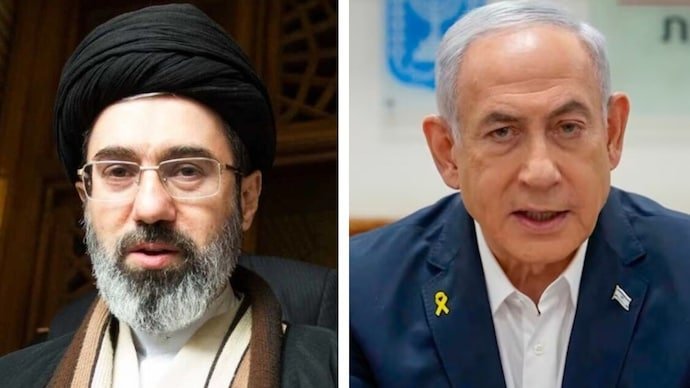
After more than 40 days of intense conflict, Israel has issued a stark warning: Iran’s new leadership may be even more hardline than the one it replaced. In a closed-door briefing to lawmakers, the Israel Defense Forces (IDF) reportedly described the emerging regime as “more extreme,” raising fresh concerns about the future of regional stability and the prospects for Peace Talks involving the United States and Iran.
Introduction: Who, What, When, Where, Why, How
Who: Israel Defense Forces (IDF), Iran’s new leadership under Mojtaba Khamenei, and global stakeholders including the United States.
What: Assessment that Iran’s new regime is more ideologically rigid and extreme.
When: Following a 40-day war and recent leadership transition in Iran.
Where: Middle East, with implications across global Energy Markets.
Why: Leadership change after the elimination of Iran’s previous top leadership.
How: Intelligence briefing presented to Israel’s parliamentary defense committee.
This development comes at a critical moment, as diplomatic efforts are underway to stabilize the region and prevent further escalation.
IDF’s Assessment: A More Hardline Iran
According to reports from Israeli media, IDF officials told the Knesset Foreign Affairs and Defense Committee that Iran’s new leadership is more ideologically rigid than its predecessor. The leadership is believed to be closely aligned with the Islamic Revolutionary Guard Corps (IRGC), an organization known for its hardline stance.
This assessment suggests that rather than weakening Iran’s strategic posture, the conflict may have strengthened more uncompromising elements within its power structure.
Why This Matters for Israel
- Increased security threat: A more extreme regime may adopt aggressive policies
- Reduced room for Diplomacy: Hardline leadership is less likely to negotiate
- Higher risk of renewed conflict: Tensions could escalate quickly
In simple terms, Israel may now be facing a tougher adversary than before the war began.
Leadership Shift: Rise of Mojtaba Khamenei
Amid the chaos of the conflict, Iran appointed Mojtaba Khamenei son of the late Supreme Leader as its new leader. Known for his low public profile but significant behind-the-scenes influence, Mojtaba is widely regarded as a hardliner.
His appointment signals continuity rather than change, with an emphasis on preserving and intensifying the ideological foundations of the Islamic Republic.
Key Characteristics of the New Leadership
- Strong alignment with IRGC leadership
- Emphasis on ideological rigidity
- Focus on national sovereignty and resistance
This shift has complicated ongoing diplomatic efforts, as expectations of moderation have diminished.
War Impact: Destruction and Strategic Uncertainty
The 40-day conflict has had far-reaching consequences, both regionally and globally. Israel reportedly conducted thousands of sorties and struck thousands of targets inside Iran, while the United States also suffered significant losses in military assets.
Beyond the battlefield, the war has disrupted global energy markets. Supply chain disruptions and reduced output from key oil-producing regions have created economic ripple effects worldwide.
| Aspect | Impact |
|---|---|
| Military Operations | Thousands of strikes and sorties |
| Leadership Change | New hardline regime in Iran |
| Global Economy | Fuel shortages and price volatility |
| Diplomatic Efforts | Ongoing but uncertain peace talks |
Risk of Renewed Conflict
Israeli officials have indicated that the current pause in hostilities may be temporary. Following the briefing, senior lawmakers suggested that military operations could resume in the coming days.
“There is a possibility that the campaign will resume in the coming days… we are only at an interim,” a senior official stated.
This raises concerns that the region could soon witness another round of escalation, particularly if diplomatic efforts fail.
Peace Talks Under Pressure
The timing of the IDF’s assessment is significant, as the United States and Iran are preparing for high-level talks aimed at ending the conflict. These negotiations are seen as a critical opportunity to de-escalate tensions.
However, the emergence of a more hardline leadership in Iran may complicate these discussions. A regime less willing to compromise could make it harder to reach a lasting agreement.
Key Challenges for Diplomacy
- Trust deficit: Deep mistrust between parties
- Ideological rigidity: Reduced flexibility in negotiations
- Regional tensions: Ongoing conflicts in neighboring areas
Even under the best circumstances, such negotiations are complex. With these added challenges, the path to peace becomes even more uncertain.
Global Implications
The situation in Iran is not just a regional issue it has global consequences. The Middle East plays a crucial role in energy supply, and instability in the region can impact economies worldwide.
Additionally, the outcome of this conflict could influence geopolitical alignments, military strategies, and International Relations for years to come.
In a connected world, what happens in the Strait of Hormuz or Tehran doesn’t stay there it affects everything from fuel prices to Financial Markets.
Conclusion: A More Complex and Dangerous Landscape
The IDF’s warning that Iran’s new regime is “more extreme” highlights a critical turning point in the ongoing conflict. Instead of weakening Iran’s position, the war may have empowered more hardline elements, creating new challenges for both regional security and global diplomacy.
As peace talks approach, the stakes could not be higher. A successful agreement could stabilize the region, while failure may lead to renewed conflict with even greater intensity.
Looking ahead, the key question is whether diplomacy can overcome deep ideological divides or whether the Middle East is heading toward another phase of prolonged instability.
For breaking news and live news updates, like us on Facebook or follow us on Twitter and Instagram. Read more on Latest World on thefoxdaily.com.



COMMENTS 0