In a significant yet fragile development, Pakistan and Afghanistan have agreed to a temporary ceasefire during Eid-ul-Fitr, even as tensions remain high after Kabul accused Islamabad of carrying out a devastating hospital strike. The truce, facilitated by diplomatic efforts from Saudi Arabia, Turkey, and Qatar, aims to provide a brief pause in hostilities during one of the most important Islamic festivals.
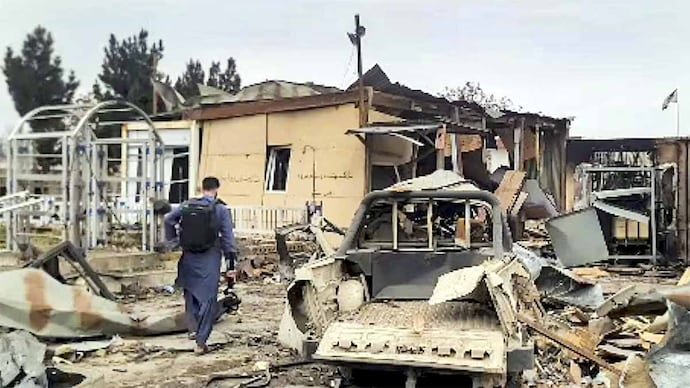
The ceasefire comes just a day after the Afghan government alleged that a Pakistani airstrike targeted a rehabilitation center in Kabul, resulting in the deaths of nearly 400 people and injuring hundreds more. While Islamabad has strongly denied these claims, the incident has intensified regional tensions and drawn global attention.
Ceasefire Timeline and Conditions
Pakistan’s Information Minister Ataullah Tarar officially announced the ceasefire via Social Media, stating that the pause would be observed from midnight of March 18/19 until midnight of March 23/24. The decision, he noted, was taken both independently and in response to requests from allied Islamic nations.
However, the ceasefire comes with strict conditions. Pakistan has made it clear that any provocation—including drone attacks, cross-border firing, or terrorist incidents—would lead to an immediate resumption of military operations.
Shortly after Islamabad’s announcement, Afghan Taliban spokesperson Zabiullah Mujahid confirmed that Afghanistan would also halt defensive operations during the Eid period. He emphasized, however, that Afghan forces remain prepared to respond decisively to any aggression.
| Aspect | Details |
|---|---|
| Ceasefire Duration | March 18/19 to March 23/24 (midnight to midnight) |
| Facilitating Countries | Saudi Arabia, Turkey, Qatar |
| Trigger for Ceasefire | Eid-ul-Fitr and diplomatic intervention |
| Conditions | Will end immediately if attacks or provocations occur |
| Current Operation | Operation Ghazab-lil-Haq (Pakistan) |
Operation Ghazab-lil-Haq and Escalating Conflict
The ceasefire temporarily halts Pakistan’s ongoing military campaign, Operation Ghazab-lil-Haq, launched on February 26 in response to alleged cross-border attacks by Afghan Taliban fighters. According to Pakistani officials, the operation has resulted in the deaths of over 700 Taliban members and injuries to hundreds more.
Military sources claim that dozens of militant installations have been destroyed, particularly in the South Waziristan region. Pakistani forces also reported conducting over 80 Airstrikes targeting what they describe as terrorist infrastructure.
Afghan authorities, however, have disputed these claims, accusing Pakistan of targeting civilian areas instead. The most serious allegation relates to the reported strike on a drug rehabilitation facility in Kabul, which Afghan officials say caused mass civilian casualties.
Conflicting Narratives Over Kabul Strike
The alleged hospital strike has become the focal point of the dispute. Afghan officials, including Deputy Spokesman Hamdullah Fitrat, stated that the attack resulted in approximately 400 deaths and over 250 injuries, describing it as a humanitarian tragedy.
In contrast, Pakistan’s military spokesperson Lt Gen Ahmad Sharif Chaudhry rejected the accusations, asserting that the targeted location was actually a weapons storage facility used by militants. He questioned the presence of a rehabilitation center near what he described as a military site.
Pakistani officials further alleged that Taliban fighters often operate in civilian clothing, blurring the distinction between combatants and non-combatants, thereby complicating military operations.
Regional Implications and Security Concerns
The conflict has broader regional implications, particularly along the 2,600-kilometer Pakistan-Afghanistan border, which has long been a hotspot for militant activity. Pakistani authorities have also claimed—without presenting evidence—that external actors, including India, may be indirectly supporting Afghan Taliban operations through drone supplies.
Meanwhile, security operations continue on the ground. Pakistani forces recently reported foiling an infiltration attempt in North Waziristan, killing several militants and destroying their hideouts in the Mowa Khel border region.
Eid Ceasefire: A Pause, Not a Resolution
While the Eid ceasefire offers a brief window of calm, it does little to resolve the deeper tensions between the two nations. Both sides have maintained strong rhetoric, with Pakistan insisting on eliminating terrorist sanctuaries and Afghanistan condemning alleged civilian casualties.
Large-scale funerals held in Kabul for victims of the alleged strike underscore the emotional and political weight of the conflict. Afghan Interior Minister Sirajuddin Haqqani described the attack as a violation of both humanitarian and Islamic principles.
As the ceasefire takes effect, the region remains on edge. Whether this temporary truce can pave the way for meaningful dialogue or simply delay further escalation remains uncertain.
For breaking news and live news updates, like us on Facebook or follow us on Twitter and Instagram. Read more on Latest World on thefoxdaily.com.





COMMENTS 0