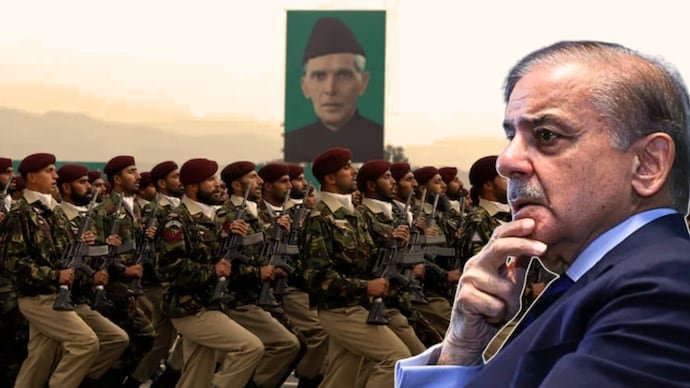
Pakistan has been forced to significantly scale back its Republic Day celebrations this year due to a deepening energy crisis caused by disruptions in global oil supply routes. The government, led by Prime Minister Shehbaz Sharif, has officially cancelled the traditional military parade and associated festivities scheduled for March 23.
Instead of grand ceremonies, the day—commemorating Pakistan’s transition to a republic—will now be observed with “simplicity and dignity,” reflecting the country’s current economic and energy challenges.
Republic Day Celebrations Scaled Down
According to an official statement from the Prime Minister’s Office, the decision was taken in light of the ongoing Gulf energy crisis and the government’s austerity measures. The annual Pakistan Day parade, which typically showcases military strength and national pride, will not be held this year.
Traditionally, March 23 celebrations include a 31-gun salute in Islamabad and 21-gun salutes in provincial capitals, followed by a large-scale military parade in the Islamabad-Rawalpindi region. These events attract significant public and international attention but have now been replaced by low-key flag-hoisting ceremonies.
Energy Crisis Linked to Strait of Hormuz Disruption
The root of the crisis lies in the disruption of oil and gas supplies through the Strait of Hormuz, a critical Global energy corridor. The ongoing conflict involving the United States, Israel, and Iran has led to severe restrictions on shipping through the strait, impacting countries heavily dependent on imported fuel.
Pakistan is particularly vulnerable, as nearly 85% to 99% of its crude oil and liquefied natural gas (LNG) imports pass through this route, primarily from Qatar and the United Arab Emirates.
| Energy Factor | Impact on Pakistan |
|---|---|
| Oil Import Dependency | Over 80% of energy needs met through imports |
| Strait of Hormuz Disruption | Major supply route nearly blocked |
| Fuel Import Bill | Increased from $1.7 billion to $3.5–4.5 billion monthly |
| Current Reserves | Approx. 11 days of oil and 9 days of LPG remaining |
| Inflation Impact | Sharp rise due to fuel shortages and high prices |
Economic Pressure and Emergency Measures
The worsening fuel crisis has pushed Pakistan’s already fragile economy into further strain. With global oil prices surging and supply chains disrupted, the country’s monthly fuel import bill has nearly doubled, placing immense pressure on foreign exchange reserves.
In response, the government has implemented a series of emergency measures reminiscent of the COVID-19 period. These include remote work policies, reduced workweeks, and efforts to limit unnecessary travel in order to conserve fuel.
Authorities have also initiated strict monitoring of petroleum reserves and directed officials to increase imports where possible, despite the financial burden.
Impact on Daily Life and Remittances
The energy shortage has led to widespread disruptions in daily life, including power rationing and increased reliance on alternative fuels. Businesses and households alike are struggling to cope with the rising cost of energy.
Additionally, the crisis threatens remittance flows, a key pillar of Pakistan’s economy. With over 4.7 million Pakistanis living and working in Gulf countries, prolonged instability in the region could impact income transfers back home.
Austerity Measures Extend to Government Spending
As part of broader austerity efforts, the government has also announced cuts to salaries of ministers and parliamentarians. Official travel has been restricted, with foreign trips limited to essential visits and conducted in economy class.
These steps are aimed at conserving resources and signaling fiscal discipline during a period of national difficulty.
Historical Significance of March 23
March 23 holds deep historical importance for Pakistan. It marks the adoption of the Lahore Resolution in 1940, which laid the foundation for the creation of a separate Muslim state. The day also commemorates the adoption of Pakistan’s first Constitution in 1956, officially declaring the country a republic.
Despite the scaled-down celebrations this year, the government has emphasized that the spirit and significance of Pakistan Day will be preserved through modest ceremonies and public observance.
Balancing National Pride with Economic Reality
The decision to cancel the Republic Day parade underscores the difficult balance Pakistan faces between maintaining national traditions and addressing urgent economic challenges. While the absence of grand celebrations marks a departure from tradition, it reflects the government’s focus on navigating one of the most severe energy crises in recent years.
As the situation evolves, the country’s ability to stabilize fuel supplies and manage economic pressures will be crucial in determining its path forward.
For breaking news and live news updates, like us on Facebook or follow us on Twitter and Instagram. Read more on Latest World on thefoxdaily.com.




COMMENTS 0