- Operation Sindoor: When Pakistan Needed the United States
- The Iran War: Why the US Needed Pakistan
- China’s Influence: The Silent Power Behind the Scenes
- A Transactional Relationship: Understanding the Quid Pro Quo
- Challenges and Criticism
- The Bigger Picture: Lessons in Modern Geopolitics
- Conclusion: A Strategic Exchange That Redefined Alliances
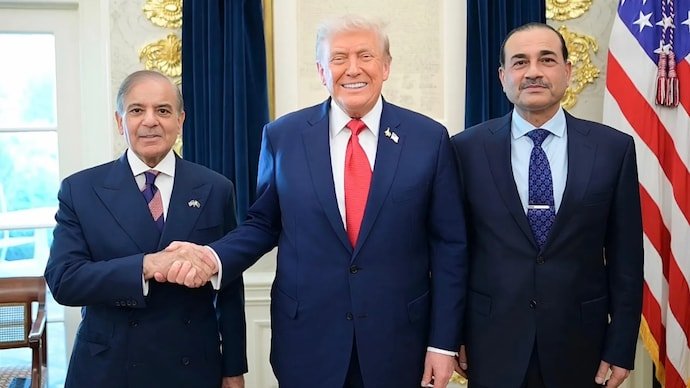
In global geopolitics, alliances are rarely driven by sentiment they are built on strategic needs and mutual benefit. In 2025, Pakistan found itself under intense military pressure during India’s Operation Sindoor and urgently sought US intervention to secure a ceasefire. Fast forward to April 2026, the roles appear reversed. The United States, grappling with a prolonged and costly conflict with Iran, turned to Pakistan for diplomatic assistance in brokering peace. This sequence of events highlights a calculated exchange of favors between Washington and Islamabad, underscoring how geopolitical relationships evolve based on necessity, timing, and leverage.
Operation Sindoor: When Pakistan Needed the United States
The turning point in recent US-Pakistan relations can be traced back to May 2025, when India launched Operation Sindoor in response to a terror attack in Pahalgam. The military escalation was swift and intense, with reports indicating that Pakistan’s key air bases and strategic assets were under heavy attack.
Facing mounting pressure, Pakistan initiated an urgent diplomatic outreach to the United States. Multiple communication channels were activated calls, emails, and in-person engagements with one clear objective: to secure a ceasefire before the situation escalated further.
The US, maintaining contact with both India and Pakistan, played a role in facilitating dialogue. While Washington publicly positioned itself as a mediator, the eventual ceasefire reportedly came after direct communication between India and Pakistan.
Nevertheless, Pakistan credited the US leadership for helping de-escalate the conflict. This public acknowledgment marked a notable shift in tone and set the stage for closer diplomatic engagement.
Diplomatic Reset: Pakistan’s Strategic Outreach
In the months following Operation Sindoor, Pakistan made a concerted effort to rebuild its image in Washington. The country, previously viewed with skepticism, began actively engaging with US leadership through diplomatic praise and strategic cooperation.
This included public endorsements, high-level meetings, and symbolic gestures aimed at strengthening ties. Pakistan even went as far as supporting international recognition efforts for US leadership’s role in conflict resolution moves widely interpreted as attempts to rebuild trust and gain favor.
These efforts appeared to yield results. Pakistan re-emerged as a relevant diplomatic player, shedding some of its earlier isolation and securing new opportunities in economic and strategic partnerships.
The Iran War: Why the US Needed Pakistan
By early 2026, the geopolitical landscape had shifted dramatically. The United States was engaged in a prolonged conflict with Iran that had extended well beyond initial expectations. What was anticipated to be a short campaign evolved into a complex and costly military engagement.
Iran demonstrated resilience, launching counterattacks on US positions across the Middle East. As the conflict dragged into its second month, the financial and political costs for Washington escalated.
Domestically, pressure mounted on US leadership. Rising war expenditures, coupled with increasing political opposition, created an urgent need for a diplomatic off-ramp.
Pakistan’s Strategic Importance
At this critical juncture, Pakistan emerged as a valuable intermediary. Several factors made Islamabad uniquely positioned for this role:
- Geographic proximity: Pakistan shares a long border with Iran, enabling direct communication and logistical access.
- Diplomatic ties: Pakistan maintains working relationships with both the US and Iran.
- Military and intelligence channels: Established networks allowed for backchannel negotiations.
Leveraging these advantages, Pakistan engaged in behind-the-scenes diplomacy to facilitate communication between Washington and Tehran.
The Role of Backchannel Diplomacy
Key figures within Pakistan’s leadership reportedly played active roles in the mediation process. Senior officials engaged in intensive communication efforts, coordinating with both US and Iranian counterparts.
These efforts were not entirely independent. Reports suggested that the US actively encouraged Pakistan to accelerate negotiations, indicating a level of strategic direction from Washington.
“The mediation reflected not just diplomacy, but alignment of strategic interests under pressure.”
This dynamic raised questions about Pakistan’s autonomy in the process, with some analysts suggesting that Islamabad functioned more as a facilitator than an independent broker.
China’s Influence: The Silent Power Behind the Scenes
Another critical factor in the ceasefire process was China’s involvement. As a close ally of both Pakistan and Iran, China held significant influence over the situation.
Pakistan reportedly coordinated with Chinese officials to strengthen its mediation efforts. This trilateral dynamic added weight to the negotiations and helped bring Iran to the table.
China’s role highlights the increasingly multipolar nature of global diplomacy, where regional powers collaborate to shape outcomes in major conflicts.
A Transactional Relationship: Understanding the Quid Pro Quo
The sequence of events from 2025 to 2026 suggests a clear pattern of reciprocal strategic support between the US and Pakistan.
| Event | Year | Who Needed Help | Who Provided Support | Outcome |
|---|---|---|---|---|
| Operation Sindoor | 2025 | Pakistan | United States | Ceasefire facilitation |
| Iran War Ceasefire | 2026 | United States | Pakistan | Diplomatic mediation |
This pattern underscores a fundamental principle of International Relations: cooperation is often driven by immediate needs rather than long-term alignment.
Strategic Gains for Both Sides
For the United States, the ceasefire offered much-needed relief from a prolonged conflict. It provided an opportunity to recalibrate strategy and address domestic political concerns.
For Pakistan, the successful mediation enhanced its diplomatic standing. It demonstrated Islamabad’s ability to play a constructive role on the global stage, potentially opening doors for future engagement.
Challenges and Criticism
Despite the apparent success, the arrangement has not been without criticism.
- Questions of autonomy: Some analysts argue that Pakistan’s role was heavily influenced by US directives.
- Credibility concerns: The perception of acting as a “messenger” rather than a mediator could impact Pakistan’s diplomatic credibility.
- Regional implications: The involvement of multiple powers raises concerns about long-term stability in the region.
Additionally, communication missteps during the process drew attention to the complexities of coordinated diplomacy in high-stakes scenarios.
The Bigger Picture: Lessons in Modern Geopolitics
This episode illustrates how modern geopolitics operates in a highly interconnected and transactional environment. Alliances are fluid, and roles can shift rapidly based on evolving circumstances.
It also highlights the importance of middle powers like Pakistan in facilitating dialogue between larger nations. In an era of increasing global tensions, such roles are likely to become more significant.
At the same time, the involvement of major players like China indicates that no single country can dominate the diplomatic landscape. Collaboration, even among rivals, is becoming a necessity.
Conclusion: A Strategic Exchange That Redefined Alliances
The events linking Operation Sindoor and the Iran war ceasefire reflect a clear example of reciprocal diplomacy in action. In 2025, Pakistan turned to the United States for support during a critical conflict with India. In 2026, the United States relied on Pakistan to help navigate a complex and escalating war with Iran.
This exchange highlights the pragmatic nature of international relations, where strategic interests often outweigh ideological differences. While the immediate outcomes benefited both nations, the long-term implications remain uncertain.
Looking ahead, the US-Pakistan relationship is likely to continue evolving, shaped by shifting geopolitical dynamics and emerging challenges. Whether this partnership deepens or remains transactional will depend on how both countries navigate future crises.
One thing, however, is certain: in global politics, favors are rarely forgotten and they are almost always returned.
For breaking news and live news updates, like us on Facebook or follow us on Twitter and Instagram. Read more on Latest World on thefoxdaily.com.




COMMENTS 0