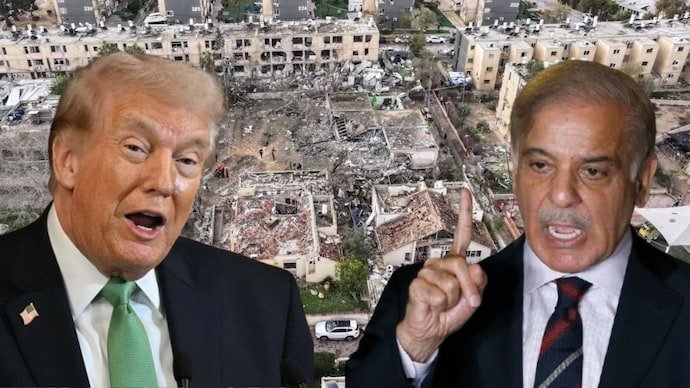
Amid rising tensions between the United States and Iran, Pakistan has emerged as a key diplomatic player, offering to mediate and even host potential negotiations. While publicly framed as a peace initiative, analysts suggest that Pakistan’s involvement is driven by a complex mix of economic survival, strategic positioning, and national security concerns.
Behind the scenes, countries like Egypt and Turkey are also assisting in maintaining communication channels between Washington and Tehran. However, Pakistan’s willingness to host face-to-face talks places it at the center of a high-stakes geopolitical moment.
Why Pakistan Is Getting Involved
Pakistan’s mediation role is not accidental. It reflects a calculated response to multiple pressures—both internal and external—that make de-escalation in the region critical for its own stability.
1. Economic Pressure and Energy Dependence
One of the biggest drivers behind Pakistan’s diplomatic push is its fragile economic condition. The ongoing conflict has already disrupted Global energy markets, especially due to tensions around the Strait of Hormuz—a key route for oil supplies.
As a country heavily dependent on imported fuel, Pakistan is directly impacted by rising oil prices. This has led to increased inflation, higher energy costs, and mounting fiscal pressure. A prolonged conflict could severely destabilize its already strained economy.
| Economic Factor | Impact on Pakistan |
|---|---|
| Rising Oil Prices | Increased import bills |
| Inflation | Higher cost of living |
| Energy Shortages | Pressure on domestic supply |
| Fiscal Deficit | Widening budget gap |
2. Strategic Positioning on the Global Stage
By stepping in as a mediator, Pakistan is attempting to elevate its diplomatic relevance. Maintaining working relationships with both the United States and Iran gives Islamabad a unique advantage.
Acting as a bridge between two adversaries allows Pakistan to present itself as an indispensable player in global diplomacy—potentially strengthening its ties with major powers and improving its international standing.
3. Security Concerns and Regional Stability
Pakistan shares a long and sensitive border with Iran, making it highly vulnerable to spillover effects from any escalation. Increased conflict could lead to cross-border instability, refugee flows, or even militant activity.
Additionally, Pakistan is already dealing with tensions along its border with Afghanistan. A wider regional conflict would stretch its military and security resources, increasing the risk of internal instability.
4. Balancing Ties with Gulf Allies
Pakistan’s close defense ties with Saudi Arabia add another layer of complexity. In the event of a broader conflict involving Gulf nations, Islamabad could be drawn in due to strategic commitments.
This makes de-escalation not just a diplomatic goal but a strategic necessity for Pakistan, as it seeks to avoid being pulled into a costly and complicated regional war.
| Strategic Factor | Pakistan’s Objective |
|---|---|
| US Relations | Strengthen diplomatic ties |
| Iran Border Security | Prevent spillover conflict |
| Saudi Arabia Alliance | Avoid forced military involvement |
| Global Image | Position as key mediator |
Peace Initiative or Strategic Calculation?
While Pakistan officially presents its involvement as a peace-building effort, the underlying motivations suggest a more nuanced reality. Mediation in geopolitics is rarely neutral—it often serves national interests alongside broader diplomatic goals.
For Pakistan, the stakes are clear: stabilizing energy markets, protecting its economy, avoiding regional conflict, and enhancing its global influence.
Rather than a simple choice between peace and power, Pakistan’s role reflects a blend of both. It is simultaneously attempting to reduce tensions while securing its own strategic interests.
Conclusion
Pakistan’s involvement in U.S.-Iran negotiations highlights the complex nature of modern diplomacy. While peace may be the stated goal, the move is equally about survival, influence, and strategic positioning.
As talks potentially move forward, Pakistan’s role will be closely watched—not just for its ability to mediate peace, but for how effectively it balances its own national interests in an increasingly volatile region.
For breaking news and live news updates, like us on Facebook or follow us on Twitter and Instagram. Read more on Latest World on thefoxdaily.com.




COMMENTS 0