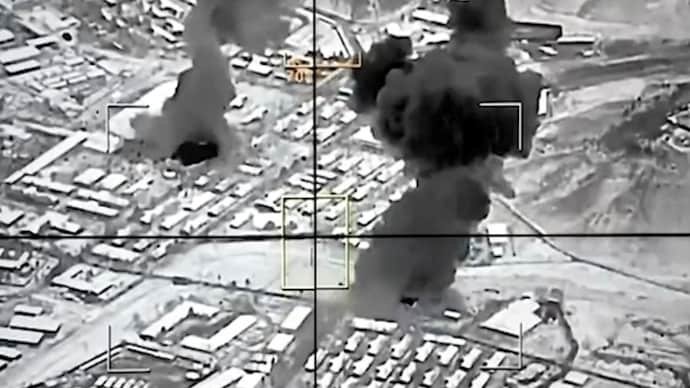
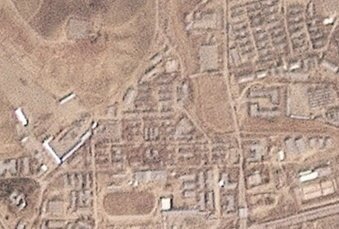
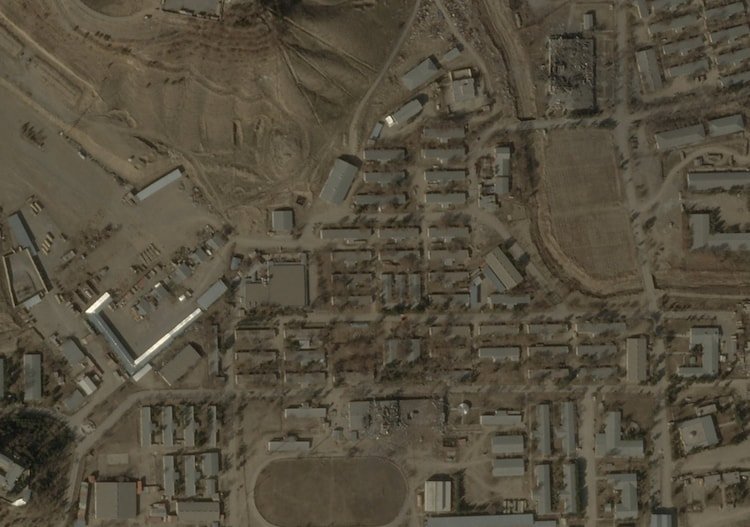
Fresh satellite imagery has revealed visible structural damage in Kabul following reported Pakistani airstrikes, underscoring a sharp escalation in tensions between Pakistan and the Taliban-led government in Afghanistan. The images, captured on February 27, 2026, show multiple buildings in the Afghan capital sustaining apparent damage compared to photographs taken just one day earlier.
The before-and-after satellite photos provide compelling visual evidence of destruction at specific locations in Kabul. Structures that appeared intact on February 26 were seen with visible damage on February 27, suggesting the impact of aerial bombardment. The imagery was provided by Planet Labs PBC and circulated via international media outlets.
Before-and-After Satellite Comparison Highlights Structural Damage
The satellite comparison clearly shows changes in building integrity across several sites. Rooftops that previously appeared undisturbed show signs of collapse, debris patterns, and possible blast marks in the post-strike images. These developments have intensified concerns about the scale of military activity inside Kabul.
| Satellite Image Date | Status of Structures | Observed Changes |
|---|---|---|
| February 26, 2026 | Buildings intact | No visible structural damage |
| February 27, 2026 | Post-strike condition | Roof damage, debris, partial collapse visible |
Pakistani security sources reportedly released monochrome footage earlier on Friday, claiming that the same Kabul locations identified in the satellite images were targeted during the operation. While independent verification remains limited, the visual comparison has added weight to claims that airstrikes struck specific urban sites.
Pakistan-Afghanistan Conflict Reaches Dangerous New Phase
The developments come amid one of the most intense confrontations in recent memory between Islamabad and the Taliban administration in Kabul. Pakistani officials have described the unfolding situation as “open war,” signaling a dramatic deterioration in diplomatic and military relations.
According to Pakistani authorities, the strikes were conducted in response to allegations that militant groups responsible for cross-border attacks are being sheltered inside Afghan territory. Pakistan has repeatedly accused the Taliban government of allowing armed factions to operate near the shared border. Kabul, however, has firmly rejected these accusations.
The reported airstrikes in Kabul and other major cities mark a significant shift, as this is the first time in recent months that Pakistan has directly targeted locations inside the Afghan capital. The escalation reflects growing frustration within Islamabad over what it perceives as continued security threats.
Taliban Government Expresses Willingness to Negotiate
Despite the heightened rhetoric and military exchanges, Afghanistan’s Taliban-led government stated on Friday that it remains open to negotiations. The statement suggests that diplomatic channels may still be available, even as tensions rise.
Afghan officials reported that dozens of troops were killed during the strikes, though exact casualty figures have not been independently confirmed. The reported losses have further inflamed public sentiment and raised concerns about the humanitarian impact of continued hostilities.
Months of Rising Hostility Preceded the Airstrikes
The latest confrontation follows months of mounting friction between the two neighboring countries. Cross-border incidents, militant activity, and mutual accusations have steadily strained relations. Pakistan maintains that insurgent groups use Afghan soil to plan and launch attacks, while Kabul insists it does not permit its territory to be used against other nations.
As satellite imagery continues to document developments on the ground, analysts say the visual evidence could play a crucial role in shaping international understanding of the conflict. The coming days will determine whether the crisis deepens into prolonged military engagement or shifts toward diplomatic de-escalation.
With tensions at their highest point in years, the situation in Kabul remains fluid, and the broader regional implications for South Asia are being closely watched by the international community.
For breaking news and live news updates, like us on Facebook or follow us on Twitter and Instagram. Read more on Latest World on thefoxdaily.com.





COMMENTS 0