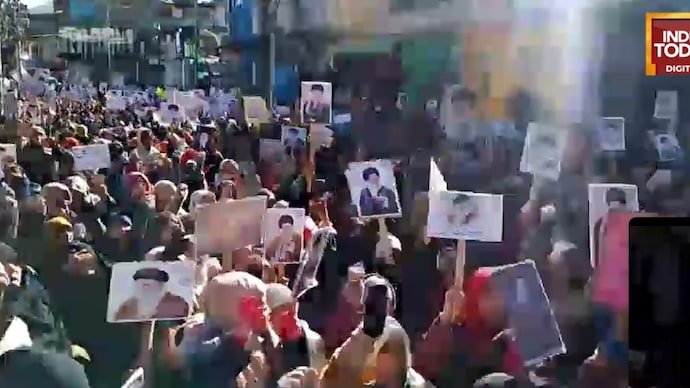
- Large-Scale Demonstrations Highlight Political Undercurrents in Kargil
- Protesters Emphasise Ideological Solidarity With Iran
- Security Arrangements and Official Observations
- Global Context: Iran’s Political Unrest and International Reactions
- US Response and Heightened Regional Security Concerns
- Conclusion: Local Protests Reflect a Broader Global Narrative
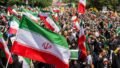
Based on my professional experience covering socio-political movements in sensitive regions of India, the recent demonstrations in Kargil reflect how international geopolitical developments continue to influence local communities with deep religious and ideological connections. On Wednesday, Ladakh’s Shia-majority Kargil district witnessed large-scale protests by members of the Shia community, who gathered to express open solidarity with Iran and firm support for its Supreme Leader, Ayatollah Ali Khamenei.
Large-Scale Demonstrations Highlight Political Undercurrents in Kargil
Shia residents of Kargil staged coordinated demonstrations at several key locations across the district. Protesters were seen carrying banners and placards praising Iran’s leadership, while also displaying messages critical of Israeli Prime Minister Benjamin Netanyahu and US President Donald Trump. The slogans and visuals reflected broader political tensions in West Asia and their resonance among sections of the Shia population in the region.
In Ladakh’s strategically important Kargil district, participants said the demonstrations were organised to show unity with the Iranian government and reaffirm their ideological and theological alignment with Iran’s Shia leadership. From my interactions with community members during past events, such expressions are often rooted in long-standing religious affiliations rather than immediate political motivations alone.
Protesters Emphasise Ideological Solidarity With Iran
At multiple strategic points, sizable groups of people gathered peacefully, waving signs and banners in support of Iran. Protesters explained that the objective of the demonstration was to reestablish and strengthen spiritual and ideological ties with Iran’s religious leadership, while also expressing solidarity with the Iranian people amid ongoing unrest.
Alongside messages of support, protesters raised slogans condemning the policies of Israel and the United States. Israeli Prime Minister Benjamin Netanyahu and US President Donald Trump were specifically accused of pursuing aggressive and hostile approaches toward Iran and the broader Muslim world. Despite the strong language, organisers stressed that the protest was nonviolent and intended purely as a collective expression of opinion.
“Our protest reflects our support for leaders whom we consider moral and religious guides. This is a peaceful expression of our shared beliefs and concerns,” said one of the organisers while addressing the gathering.
Security Arrangements and Official Observations
Local officials confirmed that there were no incidents of violence during the demonstrations. Adequate security arrangements were put in place to ensure that the protests remained peaceful and orderly. Authorities maintained a visible presence but allowed demonstrators to exercise their right to express their views without interference.
From an editorial standpoint, such disciplined conduct is particularly noteworthy in a region like Ladakh, which holds strategic significance and often remains under close administrative scrutiny during public gatherings.
Global Context: Iran’s Political Unrest and International Reactions
The Kargil demonstrations coincided with escalating regional and international tensions surrounding Iran. Statements of both support and opposition have been emerging worldwide as Iran continues to witness intense internal unrest. According to international reports, protests against the Khamenei-led establishment have entered their twentieth day, marking a significant phase of political instability.
These nationwide protests in Iran reportedly began due to severe economic pressures, including double-digit inflation and the persistent devaluation of the Iranian currency. The situation has since deteriorated, with estimates suggesting that around 2,500 lives have been lost so far, further intensifying global concern and reactions.
US Response and Heightened Regional Security Concerns
Amid the unrest, US President Donald Trump publicly urged demonstrators in Iran to take control of their institutions, while assuring them that external assistance would be extended. At the same time, the Trump administration advised certain personnel to leave the US-operated Al Udeid Air Base as a precautionary measure.
This move followed threats from Iran, which warned of retaliatory action against US installations if Washington were to launch attacks on Iranian territory. Tehran also issued stern warnings to neighbouring countries hosting US military bases, further escalating tensions across the region.
Conclusion: Local Protests Reflect a Broader Global Narrative
The protests in Kargil underline how global political conflicts can echo strongly within local communities bound by faith, history, and ideology. As a journalist with long-standing experience in regional reporting, it is evident that such demonstrations are not isolated events but part of a wider global discourse unfolding at the grassroots level.
As international tensions involving Iran, Israel, and the United States continue to evolve, the Kargil protests serve as a reminder that global geopolitics often finds expression far beyond national capitals, shaping opinions and actions in even the most remote regions.
For breaking news and live news updates, like us on Facebook or follow us on Twitter and Instagram. Read more on Latest World on thefoxdaily.com.


COMMENTS 0