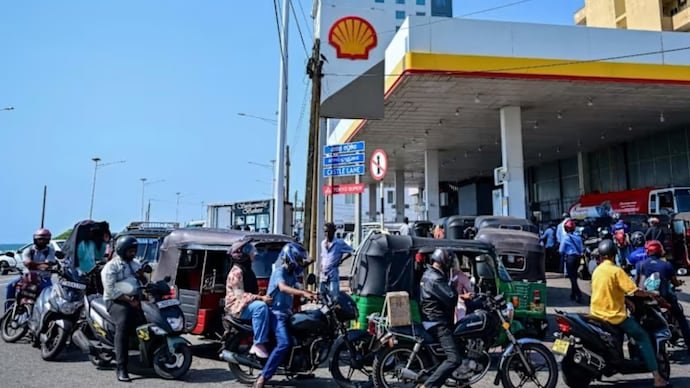
As geopolitical tensions in the Middle East continue to disrupt global oil supply chains, Sri Lanka has taken a decisive step by shifting to a four-day work week in an effort to conserve fuel and prevent another severe Energy Crisis. The move comes as oil transportation through the Strait of Hormuz — one of the world’s most critical energy corridors — faces significant disruption.
The decision reflects growing concerns among energy-importing nations, particularly in South Asia, where dependence on foreign fuel supplies makes economies highly vulnerable to global shocks. With the crisis entering its third week, countries across the region are racing to stretch limited fuel reserves.
Sri Lanka, still recovering from its devastating economic collapse in 2022, has acted swiftly to reduce fuel consumption and avoid a repeat of past hardships.
Sri Lanka Braces for Another Fuel Shortage
In response to the escalating situation, Sri Lankan authorities have announced that all government institutions will operate only four days a week starting Wednesday. The policy is part of a broader emergency strategy aimed at conserving fuel and minimizing unnecessary travel.
According to Essential Services Commissioner-General Prabath Chandrakeerthi, the revised work schedule could remain in effect for an indefinite period. The directive also extends to educational institutions, including schools and colleges.
Officials have encouraged private sector organizations to adopt similar measures by declaring Wednesdays as non-working days, thereby reducing commuting and fuel consumption nationwide.
President Anura Kumara Dissanayake, who chaired the emergency meeting, emphasized the need for preparedness, urging authorities to plan for worst-case scenarios while maintaining cautious optimism.
Despite these restrictions, essential services such as healthcare, port operations, and emergency response units will continue to function without disruption.
Fuel Rationing Measures Reintroduced
In addition to the shortened work week, the government has reinstated fuel rationing policies to manage dwindling supplies effectively.
Under the new guidelines, private vehicle owners are limited to purchasing 15 liters of petrol or diesel per week. In contrast, public transportation operators are permitted up to 200 liters weekly to ensure continuity of essential mobility services.
| Category | Fuel Allocation (Per Week) | Purpose |
|---|---|---|
| Private Vehicles | 15 Liters | Limit non-essential travel |
| Public Transport | Up to 200 Liters | Maintain public mobility |
| Government Offices | 4-Day Work Week | Reduce commuting fuel usage |
| Educational Institutions | 4-Day Schedule | Lower transport demand |
Officials estimate that existing fuel reserves may last approximately six weeks. However, any further disruption in imports could significantly accelerate shortages and worsen the situation.
Sri Lanka remains heavily dependent on imported energy. While crude oil for its refinery is sourced from the Middle East, refined petroleum products are primarily imported from countries such as Singapore, Malaysia, and South Korea.
To further conserve fuel, authorities have suspended public events and encouraged government employees to work remotely wherever feasible.
Echoes of the 2022 Economic Crisis
The current measures have revived memories of Sri Lanka’s 2022 economic crisis, when the country faced a severe shortage of foreign currency, making it unable to afford essential imports like fuel, food, and medicines.
The crisis led to a historic default on approximately $46 billion in foreign debt and triggered widespread economic hardship across the nation.
Although the International Monetary Fund later approved a $2.9 billion bailout package to support recovery, officials remain concerned that prolonged disruptions in global oil supply could derail the fragile economic progress achieved so far.
Regional Energy Crisis Intensifies
Sri Lanka is not alone in facing energy challenges. Across South Asia, countries are taking urgent steps to manage fuel consumption as the Middle East conflict continues to shake Global energy markets.
Bangladesh has begun restricting fuel sales after warnings from its national oil company indicated that diesel reserves could be depleted within weeks if consumption is not reduced by at least 25 percent.
Long queues have been reported at fuel stations in major cities, as consumers rush to secure supplies. Authorities in Dhaka have also deployed mobile courts to prevent fuel hoarding and black-market activities.
Pakistan, facing similar challenges, has shifted several government offices to remote operations and moved university classes online to reduce commuting and conserve energy resources.
High Stakes for Sri Lanka’s Recovery
For Sri Lanka, the stakes are particularly high. With its economy only beginning to stabilize, the government is under pressure to ensure that external shocks do not trigger another full-scale crisis.
The combination of fuel conservation measures, rationing, and remote work policies reflects a proactive approach to crisis management. However, the country’s heavy reliance on imported energy continues to pose a significant vulnerability.
As global uncertainty persists, Sri Lanka’s ability to navigate this crisis will play a crucial role in determining whether its economic recovery remains on track or faces renewed setbacks.
For breaking news and live news updates, like us on Facebook or follow us on Twitter and Instagram. Read more on Latest World on thefoxdaily.com.






COMMENTS 0