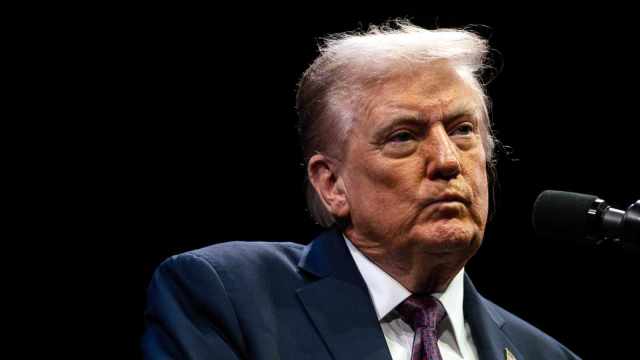
US President Donald Trump appeared visibly frustrated after several of America’s closest allies declined his proposal to join a naval operation aimed at reopening the Strait of Hormuz — a critical global oil route currently disrupted by the ongoing Iran conflict.
The rejection underscores widening cracks among Western allies as tensions in West Asia intensify and Global energy markets remain under severe pressure.
Speaking on Tuesday, Trump struck a defiant tone, insisting that the United States did not require assistance despite earlier appeals for international support.
“We don’t require anyone. We are the world’s strongest country. We have the strongest military by far,” Trump said, reiterating his long-standing criticism of NATO members for not contributing enough to collective defence efforts.
Allies Reject US Call for Naval Deployment
Just days before his remarks, Trump had urged allied nations to send warships to the Strait of Hormuz to help secure the vital maritime corridor. He even warned that failure to support the mission could have long-term consequences for NATO’s unity and credibility.
However, several key allies — including Germany, Spain, and Italy — declined the request, stating that they had no immediate plans to deploy naval forces to the region.
German Chancellor Friedrich Merz clarified that Berlin lacked the legal and political mandate required to participate in such an operation. He emphasized that Germany had not been consulted before the conflict began and noted the absence of formal authorization from NATO, the European Union, or the United Nations.
Trump Downplays Need for Support
When questioned about whether countries like France would step in, Trump initially suggested optimism but quickly reversed course, stating that the United States was fully capable of handling the situation alone.
He stressed that his outreach to allies was partly a test of their willingness to stand by the US during critical moments.
According to Trump, the lack of support validated his long-held belief that many allies would hesitate in times of real need, despite benefiting from American security guarantees.
Tensions With the United Kingdom
Trump also singled out the United Kingdom, expressing disappointment over its initial refusal to deploy aircraft carriers during the early stages of the conflict.
He claimed that while the UK later offered support, the timing rendered the assistance unnecessary.
“I needed it before the war,” Trump said, indicating that the delayed response undermined its value and left him dissatisfied with London’s approach.
Escalating Conflict in the Strait of Hormuz
The situation in the Strait of Hormuz has become increasingly volatile since the outbreak of hostilities between the United States, Israel, and Iran. The waterway, which handles nearly 20% of the world’s oil supply, has been severely disrupted by Iranian military actions.
Iran has reportedly targeted multiple vessels attempting to pass through the strait and has warned of further escalation. The closure has already led to a sharp rise in global oil prices and heightened fears of a prolonged energy crisis.
| Key Factor | Details |
|---|---|
| Strategic Importance | Handles ~20% of global oil supply |
| Current Status | Partially/fully blocked by Iranian actions |
| Global Impact | Rising oil prices, supply chain disruptions |
| US Response | Proposal to deploy naval escorts |
| Allied Reaction | Widespread reluctance or refusal |
Background of the Conflict
The current crisis escalated after the United States and Israel launched coordinated strikes on Iranian military and administrative targets in late February. The offensive reportedly caused significant damage to Iran’s leadership structure and key installations.
In response, Iran launched missile and drone attacks against Israel and targeted US military assets across West Asia, rapidly expanding the conflict into a broader regional confrontation.
Tehran subsequently moved to restrict access to the Strait of Hormuz, using both military force and strategic warnings to deter international shipping.
Iranian leadership has signaled that the strait will remain closed for the foreseeable future, while also warning that oil prices could surge dramatically if tensions continue.
Deepening Divisions Among Western Allies
Trump has repeatedly indicated his willingness to deploy the US Navy to escort commercial vessels through the strait. However, the reluctance of allied nations to participate highlights growing divisions over how to handle the crisis.
The situation raises broader questions about NATO unity, burden-sharing, and the willingness of Western allies to engage in high-risk military operations.
As the conflict continues to evolve, the lack of coordinated international action may further complicate efforts to stabilize the region and secure global energy supplies.
For breaking news and live news updates, like us on Facebook or follow us on Twitter and Instagram. Read more on Latest World on thefoxdaily.com.





COMMENTS 0