- Why the Strait of Hormuz Matters So Much
- US Ultimatum: From Words to Action
- NATO Under Pressure: Cracks Within the Alliance
- Coalition Efforts: A Global Response in the Making
- Ground Reality: Ceasefire in Name, Conflict in Practice
- Diplomatic Push: Talks and Timelines
- Energy Security at Stake
- Conclusion: A Defining Moment for Global Cooperation
The United States, led by President Donald Trump, has issued a clear ultimatum to its European allies: provide detailed plans within days to help secure the Strait of Hormuz once the ongoing conflict with Iran stabilises. The demand comes at a critical moment, as a fragile ceasefire offers a narrow window for diplomacy while Global energy markets remain under strain. With nearly one-fifth of the world’s oil and gas passing through this strategic waterway, Washington is pushing for immediate and actionable commitments not just verbal support.
Why the Strait of Hormuz Matters So Much
The Strait of Hormuz is one of the most vital maritime chokepoints in the world. It connects the Persian Gulf to the Arabian Sea and serves as a key transit route for global energy supplies.
| Key Fact | Details |
|---|---|
| Global Oil Flow | Nearly 20% of world oil shipments |
| Strategic Importance | Primary route for Gulf energy exports |
| Current Status | Largely disrupted due to conflict |
Any disruption in this narrow waterway has immediate global consequences impacting oil prices, supply chains, and economic stability. That urgency explains why Washington is pressing its allies to act quickly.
US Ultimatum: From Words to Action
According to multiple reports, the US has asked European nations to outline exactly how they plan to contribute to securing navigation in the Strait of Hormuz. These discussions have taken place at the highest levels, including meetings at the White House, Pentagon, and State Department.
The message from Washington is simple: declarations of solidarity are no longer sufficient. The US wants operational plans, timelines, and clear commitments.
What the US Is Asking For
- Detailed naval deployment strategies
- Commitments to escort commercial vessels
- Participation in mine-clearing operations
- Coordination with existing international coalitions
This shift reflects growing frustration within the US administration over what it sees as limited practical support from allies during the crisis.
NATO Under Pressure: Cracks Within the Alliance
The issue has exposed significant divisions within NATO. While some European countries have expressed support for the United States, many have been reluctant to engage militarily, especially while hostilities with Iran continue.
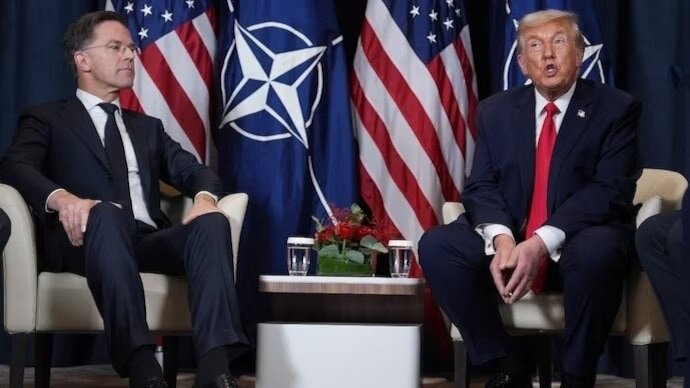
President Trump did not hold back in expressing his frustration. Following a meeting with NATO Secretary-General Mark Rutte, he publicly criticised the alliance, stating that it failed to step up when needed.
“NATO wasn’t there when we needed them, and they won’t be there if we need them again.”
Such remarks highlight deeper tensions within the alliance, particularly over burden-sharing and strategic priorities.
Key Points of Disagreement
- Reluctance of European nations to support US military actions
- Concerns over escalation in the Middle East
- Differing priorities on defence spending and commitments
- Uncertainty over post-conflict security responsibilities
For Mark Rutte, managing these differences has become increasingly challenging, especially as pressure from Washington intensifies.
Coalition Efforts: A Global Response in the Making
A UK-led coalition involving more than 40 countries including European nations, Japan, and Canada has already indicated willingness to help reopen the Strait of Hormuz. However, translating that willingness into coordinated action remains a complex task.
The coalition’s potential responsibilities could include:
- Ensuring safe passage for oil tankers
- Monitoring maritime threats
- Deterring hostile actions in the region
- Supporting logistical and surveillance operations
But with the ceasefire still fragile, many countries are cautious about committing resources prematurely.
Ground Reality: Ceasefire in Name, Conflict in Practice
Despite the announcement of a 14-day ceasefire between the United States and Iran, the situation on the ground remains volatile. Fighting has not fully ceased, and tensions continue to simmer across the region.
Iran has pointed to ongoing Israeli strikes in Lebanon as a violation of the ceasefire framework. This has further complicated efforts to stabilise the situation and reopen critical trade routes.
As a result, the Strait of Hormuz remains largely shut, with commercial shipping yet to resume normal operations.
Challenges to Reopening the Strait
- Continued military activity in the region
- Lack of clarity on ceasefire terms
- Security risks for commercial vessels
- Coordination gaps among international partners
This gap between diplomatic announcements and ground realities is driving Washington’s urgency.
Diplomatic Push: Talks and Timelines
Amid rising tensions, diplomatic efforts are still underway. The United States is preparing for direct talks with Iran, with Vice President JD Vance expected to lead a delegation to Islamabad for negotiations aimed at establishing a permanent truce.
These talks are seen as critical to ensuring long-term stability in the region and enabling the safe reopening of the Strait of Hormuz.
However, the success of these efforts will depend on multiple factors, including:
- Adherence to ceasefire agreements
- Willingness of all parties to compromise
- Timely support from international allies
Energy Security at Stake
The ongoing disruption in the Strait of Hormuz has far-reaching implications for global energy markets. Oil prices remain volatile, and supply chains are under pressure.
For countries heavily dependent on Gulf energy imports, the situation is particularly concerning. Ensuring the safe flow of oil and gas through the strait is not just a regional issue it is a global priority.
Potential Impact if Disruption Continues
- Rising global oil prices
- Supply shortages in key markets
- Economic instability in energy-dependent countries
- Increased geopolitical tensions
This is why the US is pushing for immediate action delays could have serious economic consequences worldwide.
Conclusion: A Defining Moment for Global Cooperation
The United States’ ultimatum to its European allies marks a निर्णायक moment in the ongoing crisis. With the Strait of Hormuz still disrupted and the ceasefire holding by a thread, the need for coordinated international action has never been greater.
While diplomatic efforts continue, the focus is now shifting to execution how quickly and effectively allies can translate commitments into action. For NATO, this is not just a test of unity, but also of relevance in a rapidly changing geopolitical landscape.
As the world watches closely, the coming days will determine whether global powers can work together to secure one of the most critical energy routes or whether divisions will continue to shape the outcome.
For breaking news and live news updates, like us on Facebook or follow us on Twitter and Instagram. Read more on Latest World on thefoxdaily.com.





COMMENTS 0