- Trump’s Hardline Strategy: Deadline Diplomacy at Work
- Iran’s Position: Seeking a Long-Term Framework
- The Strategic Importance of the Strait of Hormuz
- Nuclear Concerns at the Core
- Historical References and Political Messaging
- Analysis: Key Issues Driving the Crisis
- Insight: The Role of Deadlines in Negotiations
- Human Impact: Beyond Political Statements
- A Touch of Perspective
- Conclusion: A Critical Moment in Global Affairs
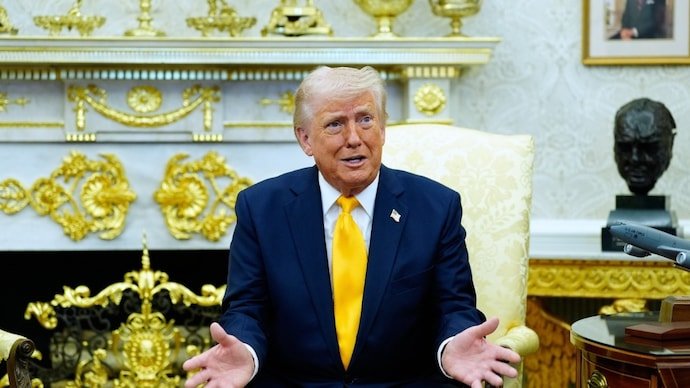
The geopolitical tension between the United States and Iran escalated sharply after US President Donald Trump issued a strong warning following Iran’s rejection of a proposed ceasefire agreement. Speaking outside the White House on Monday, Trump said he was “very upset” and declared that Tehran would “pay a big price” if it failed to comply with US conditions before a self-imposed Tuesday deadline. His remarks signal a hardening stance at a critical moment in ongoing negotiations.
The situation revolves around a failed ceasefire proposal that Iran rejected, opting instead for broader and more permanent conditions. These include an end to regional conflicts, Sanctions relief, and security guarantees. The developments carry serious implications for global Diplomacy, oil markets, and nuclear non-proliferation efforts. A key factor driving urgency is the strategic importance of the Strait of Hormuz, a vital route for Global energy supplies.
Trump’s Hardline Strategy: Deadline Diplomacy at Work
Trump made it clear that the deadline for Iran to agree to US terms would not be extended. When asked whether he would reconsider, he responded that it was “highly unlikely,” emphasizing that Iran had “plenty of time.” This reflects a classic diplomatic tactic—using strict deadlines to force a decision.
“It could end very quickly if they do what they have to do… If they don’t, it’s trouble.”
This approach highlights a more aggressive negotiating style. Trump’s use of phrases like “pay a big price” suggests potential escalation if no agreement is reached. While no specific actions were detailed, such rhetoric often signals readiness for economic or Military measures.
Iran’s Position: Seeking a Long-Term Framework
Iran’s rejection of the ceasefire was accompanied by a broader proposal. Rather than accepting a temporary pause, Tehran outlined a multi-point framework aimed at long-term stability. Key elements reportedly include:
- Permanent end to regional conflicts
- Guarantees for safe passage through the Strait of Hormuz
- Lifting of economic sanctions
- Commitments to reconstruction efforts
From Iran’s perspective, a temporary ceasefire does not address deeper geopolitical issues. By pushing for a comprehensive agreement, Iran is attempting to shift negotiations toward long-term outcomes rather than short-term solutions.
The Strategic Importance of the Strait of Hormuz
The Strait of Hormuz remains central to the urgency of this situation. It is one of the world’s most critical energy corridors, making it a focal point in any US-Iran confrontation.
| Factor | Impact |
|---|---|
| Global Oil Flow | About one-fifth of the world’s oil supply passes through |
| Shipping Costs | Higher risks lead to increased insurance and transport costs |
| Economic Stability | Disruptions can trigger inflation and market volatility |
In practical terms, any disruption in this narrow waterway can ripple across the Global Economy. This explains why both sides face pressure to avoid escalation, even as tensions rise.
Nuclear Concerns at the Core
A major issue in the Conflict is Iran’s nuclear capability. Trump reiterated that Iran “cannot have a nuclear weapon,” presenting it as a non-negotiable condition.
“They’re animals… and we can’t let them have a nuclear weapon.”
While this aligns with long-standing US policy, the tone of delivery is significant. Strong language can complicate negotiations by hardening positions and reducing room for compromise. Diplomatic experts often stress that tone and messaging play a crucial role in high-stakes discussions.
Historical References and Political Messaging
Trump also referenced former British Prime Minister Neville Chamberlain while criticizing the United Kingdom, warning against policies of appeasement. This historical comparison draws parallels to pre-World War II diplomacy, where concessions failed to prevent conflict.
Such references are often used to frame current decisions in a broader historical context. By invoking this analogy, Trump reinforces his argument for a firm stance rather than compromise.
Analysis: Key Issues Driving the Crisis
Several interconnected factors define the current situation:
- Energy Security: Stability in global oil markets depends on uninterrupted access through the Strait of Hormuz.
- Regional Stability: Escalation could involve multiple countries in the Middle East.
- Nuclear Non-Proliferation: Preventing nuclear weapons development remains a top priority.
- Diplomatic Leverage: Both sides aim to negotiate from positions of strength.
This is not just a bilateral dispute. It is a complex geopolitical situation involving economic, military, and strategic interests that extend far beyond the two countries directly involved.
Insight: The Role of Deadlines in Negotiations
Deadlines can be effective in forcing decisions, but they carry risks. If a deadline passes without agreement, the side imposing it must decide whether to act or risk losing credibility. In this case, Trump’s firm deadline increases pressure on both sides.
Iran’s response suggests it is not easily influenced by time pressure. By proposing a broader framework, it shifts the focus from urgency to long-term negotiation. This creates a dynamic where both sides are operating with different priorities.
Human Impact: Beyond Political Statements
While much of the focus is on political rhetoric, real people are affected by these developments. Trump mentioned that two US airmen rescued in Iran are recovering well, highlighting the human side of the conflict.
For civilians in the region, the consequences can be far more significant. Economic uncertainty, potential conflict, and instability can affect daily life in profound ways.
A Touch of Perspective
If international diplomacy followed simple rules, situations like this would be resolved quickly. Instead, negotiations often resemble a high-stakes chess match, where every move is calculated and every statement carries weight.
In this case, both sides appear determined to maintain strong positions, making compromise more challenging but not impossible.
Conclusion: A Critical Moment in Global Affairs
The ongoing standoff between the United States and Iran represents a critical moment in International Relations. With a firm deadline, rising tensions, and unresolved issues, the coming days will be crucial in determining the outcome.
Whether this leads to a diplomatic breakthrough or further escalation remains uncertain. What is clear is that the consequences will extend beyond the immediate conflict, influencing global markets, regional stability, and the future of diplomatic engagement.
As the deadline approaches, the world continues to watch closely, aware that decisions made now could shape the geopolitical landscape for years to come.
For breaking news and live news updates, like us on Facebook or follow us on Twitter and Instagram. Read more on Latest World on thefoxdaily.com.





COMMENTS 0