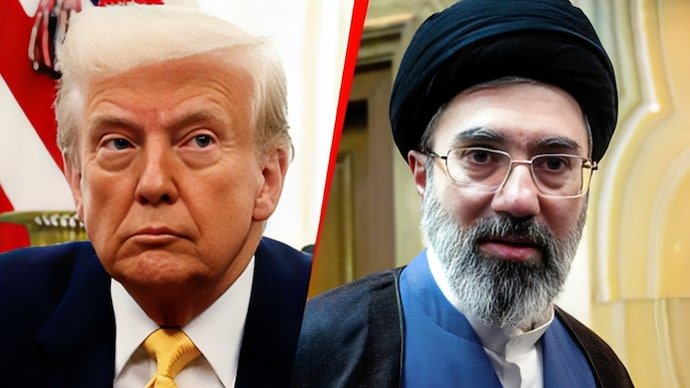
As the Iran war enters its fourth week, the United States has reportedly put forward a comprehensive 15-point plan aimed at ending the conflict and stabilizing the Middle East. The proposal combines military de-escalation with long-term strategic demands, including limits on Iran’s nuclear ambitions and restoring Global energy flows through the Strait of Hormuz.
A key component of the plan is a proposed one-month ceasefire, intended to create space for diplomatic negotiations. However, given the scope of the demands and Iran’s historical resistance to similar proposals, experts believe Tehran may hesitate to accept the deal in its current form.
Key Highlights of Trump’s 15-Point Peace Plan
The proposed framework focuses on both immediate conflict resolution and long-term geopolitical stability. It includes security, economic, and nuclear-related conditions designed to curb Iran’s regional influence.
| Category | Key Proposal | Expected Outcome |
|---|---|---|
| Ceasefire | One-month truce | Pause in hostilities for negotiations |
| Nuclear Program | Strict limits with UN monitoring | Prevent weaponization |
| Missile Capability | Dismantling missile systems | Reduce military threat |
| Proxy Support | End support to regional groups | Lower regional tensions |
| Strait of Hormuz | Reopen and ensure free passage | Stabilize global oil supply |
| Sanctions Relief | Partial lifting of sanctions | Economic recovery for Iran |
| Economic Cooperation | Support for rebuilding economy | Encourage compliance |
Nuclear Deal Framework and Conditions
A central pillar of the plan involves restructuring Iran’s nuclear program. The US is proposing a UN-monitored civilian nuclear setup, with key components such as fuel production facilities located outside Iran. This is intended to ensure that nuclear development remains strictly for peaceful purposes.
In return, Washington has offered limited Sanctions relief and potential economic cooperation. However, the plan also demands strict oversight, removal of enriched uranium stockpiles, and disabling of certain nuclear infrastructure—conditions that Iran has historically resisted.
Military and Strategic Dimensions
Beyond nuclear restrictions, the proposal calls for dismantling Iran’s missile program and associated military infrastructure. This reflects broader US concerns about Iran’s regional military capabilities and its influence through allied groups.
At the same time, the US continues to strengthen its military presence in the region. Reports indicate that over 3,000 additional troops may be deployed, adding to the approximately 50,000 already stationed in the Middle East.
Iran, meanwhile, has warned that any escalation could lead to drastic actions, including mining the Gulf—an act that would severely disrupt global trade and energy supply chains.
Diplomatic Channels and Mediation Efforts
Efforts are underway to bring both sides to the negotiating table. Pakistan has offered to host talks between Washington and Tehran, with Prime Minister Shehbaz Sharif expressing readiness to facilitate “meaningful and conclusive” discussions.
According to reports, the proposal may have been conveyed to Iran through intermediaries, with countries like Pakistan playing a key role in backchannel Diplomacy.
US representatives, including envoy Steve Witkoff and Jared Kushner, are expected to participate in potential talks, which could begin as early as next week if both sides agree.
Not a Completely New Proposal
Diplomats suggest that the 15-point plan is not entirely new. Much of it is believed to be based on earlier proposals discussed during nuclear negotiations in May 2025, which eventually collapsed following Israeli strikes on Iranian nuclear facilities.
That earlier framework included similar elements—restrictions on nuclear and missile programs, partial sanctions relief, and strict monitoring mechanisms. However, disagreements over implementation and trust issues prevented any agreement.
Conflicting Claims and Uncertain Progress
While Donald Trump has claimed that recent talks with Iran were “very good and productive,” Iranian officials have denied any formal negotiations. Tehran has also accused Washington of using diplomatic signals to stabilize financial markets rather than genuinely pursuing peace.
This disconnect highlights the deep mistrust between the two sides, which remains one of the biggest obstacles to any agreement.
Challenges Ahead for the Peace Plan
Analysts believe that although the plan offers a potential path to de-escalation, several challenges could hinder progress:
- Lack of trust between the US and Iran
- Broad and demanding conditions placed on Tehran
- Internal divisions within Iran’s leadership
- Pressure from regional allies like Israel
| Challenge | Impact on Negotiations |
|---|---|
| Mistrust | Limits willingness to compromise |
| Strict Conditions | Reduces likelihood of acceptance |
| Geopolitical Pressure | Complicates decision-making |
| Unclear Negotiation Channels | Delays formal talks |
Conclusion
Trump’s 15-point plan represents a significant diplomatic effort to end the ongoing Iran war, combining ceasefire proposals with long-term strategic demands. While it offers a potential pathway to peace, the success of the plan depends heavily on overcoming deep-rooted mistrust and aligning the interests of multiple regional and global stakeholders.
As negotiations remain uncertain and military tensions persist, the coming days will be critical in determining whether diplomacy can prevail over conflict.
For breaking news and live news updates, like us on Facebook or follow us on Twitter and Instagram. Read more on Latest World on thefoxdaily.com.





COMMENTS 0