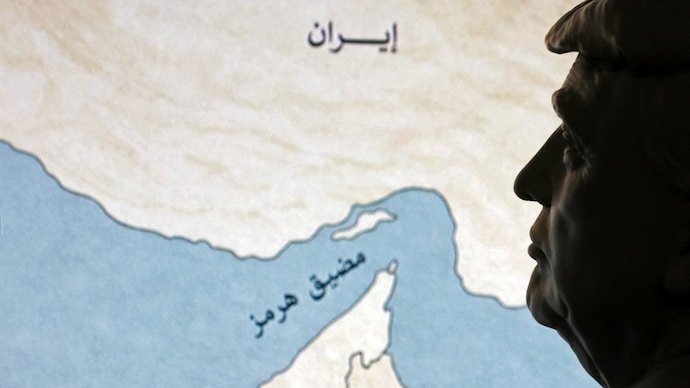
The United Arab Emirates (UAE) is reportedly preparing to play a more active military role in the ongoing Iran conflict, with plans to assist the United States and its allies in securing the strategically vital Strait of Hormuz.
According to a report by The Wall Street Journal, senior officials revealed that the UAE is exploring options to directly contribute to efforts aimed at reopening and protecting the crucial maritime corridor, which has been heavily disrupted amid the ongoing war.
This development marks a significant escalation in the conflict, as the UAE could become the first Gulf nation to actively participate in military operations against Iran after facing repeated attacks on its infrastructure.
Push to Reopen the Strait of Hormuz
The Strait of Hormuz is one of the world’s most critical energy chokepoints, handling a substantial share of global oil and gas shipments. The UAE, whose economy depends heavily on energy exports and maritime trade, has been among the most affected by the disruption.
Officials indicated that the UAE is urging the United States, along with European and Asian powers, to form a coalition capable of reopening the strait through military means if necessary.
As part of this effort, the UAE is reportedly backing a proposal for a United Nations Security Council resolution that would authorize coordinated military action to secure the waterway.
| Key Issue | Details |
|---|---|
| Primary Objective | Reopen and secure the Strait of Hormuz |
| UAE Role | Considering direct military participation |
| Proposed Action | UN Security Council resolution for joint military effort |
| Strategic Concern | Protection of energy exports and trade routes |
| Potential Allies | US, Europe, and Asian partners |
A senior UAE official reportedly warned that Iran, facing increasing pressure, may attempt to disrupt global trade by targeting the strait, describing the situation as a threat to the global economy.
To counter this, the UAE is evaluating military measures such as clearing naval mines, enhancing maritime security operations, and providing logistical support to allied forces.
Growing Pressure on the US to Continue War
The report also highlights a divergence in strategy between Washington and some of its Gulf allies. While US President Donald Trump has signaled a desire to end the conflict quickly, the UAE and other regional partners are reportedly pushing for continued military pressure on Iran.
Officials believe that halting operations prematurely could allow Iran to regain strength and continue threatening regional stability.
A Major Strategic Shift for the UAE
The UAE’s willingness to consider military involvement represents a major shift in its foreign policy. Prior to the conflict, Abu Dhabi had maintained diplomatic and economic ties with Iran and even attempted to act as a mediator between Tehran and Washington.
Those efforts included high-level engagements, such as a visit by Iran’s national security chief Ali Larijani to the UAE, before his reported death in subsequent strikes.
Now, the UAE appears to be aligning more closely with US expectations that allies should share a greater burden in regional security operations.
There are also reports that Emirati officials have suggested strategic moves such as securing key islands in the Strait of Hormuz, including Abu Musa, which has long been under Iranian control despite UAE claims.
Rising Attacks and Regional Tensions
In recent weeks, Iran has intensified its attacks on Gulf nations, particularly the UAE. Officials claim that dozens of ballistic missiles, cruise missiles, and drones have targeted Emirati infrastructure.
Reports suggest that Iran has launched approximately 2,500 missiles and drones toward the UAE since the conflict began, making it one of the most heavily targeted countries in the region.
Tehran has also warned that any Gulf nation supporting military actions against it could face direct attacks on civilian infrastructure, further raising the stakes.
Focus on UN Resolution and Global Support
The push for a UN Security Council resolution is being closely watched. Bahrain, a key US ally and host of the US Navy’s Fifth Fleet, is reportedly sponsoring the proposal, with a vote expected soon.
The UAE believes that securing UN backing could encourage hesitant European and Asian nations to join a coordinated effort to protect the strait.
However, challenges remain. Countries like china and Russia—both critical of US-Israeli actions—may block such a resolution, while other nations, including France, are said to be exploring alternative approaches.
Despite these uncertainties, officials indicated that the UAE is prepared to move forward with military participation even if a UN-backed resolution fails.
Global Implications
The UAE’s potential entry into the conflict could significantly alter the geopolitical landscape of the Middle East. It signals a shift from cautious diplomacy to active military engagement among Gulf states.
With tensions rising and Global energy markets already under pressure, the coming days will be crucial in determining whether the conflict expands further or moves toward de-escalation.
As the situation evolves, the Strait of Hormuz remains at the center of global attention, with its stability directly impacting international trade and energy security.
For breaking news and live news updates, like us on Facebook or follow us on Twitter and Instagram. Read more on Latest World on thefoxdaily.com.


COMMENTS 0