In a significant shift in global energy diplomacy, the United States has signaled its willingness to allow India to resume purchases of Venezuelan crude oil under a new framework controlled by Washington. The move raises the prospect of a partial reopening of oil trade that has been largely frozen by years of US sanctions on Venezuela.
A senior official from the Trump administration confirmed the development, stating that the White House is actively exploring a structure that would permit Indian refiners to access Venezuelan oil while ensuring that the flow of revenue remains under US oversight. The proposal comes as India’s energy requirements expand rapidly, driven by economic growth and rising fuel consumption.
When asked directly whether the US was prepared to allow India to restart Venezuelan oil imports, the administration official’s response was unambiguous. “Yes,” the official told IANS, while clarifying that the operational details of the arrangement were still under discussion and had not yet been finalized.
The official pointed to recent remarks by US Energy Secretary Christopher Wright, who publicly stated that Washington is open to selling Venezuelan oil to “nearly all countries,” provided the transactions comply with strict US-imposed conditions.
Speaking in an interview with Fox Business, Wright explained that the United States is reopening the flow of Venezuelan oil—but only under firm regulatory control. “We’re letting that oil run,” he said. “Once again, the US government is marketing it. The money’s going to flow into accounts,” highlighting Washington’s intent to oversee both sales and revenue channels.
Before sweeping US sanctions disrupted trade, India was one of Venezuela’s largest oil customers, importing heavy crude well-suited to India’s complex refining infrastructure. Any renewed access to Venezuelan supplies could help New Delhi diversify its crude basket and manage costs as global energy markets remain volatile.
In separate remarks delivered at an energy conference in New York, Wright revealed that the US plans to market between 30 million and 50 million barrels of Venezuelan oil currently held in storage. This would be followed by continued sales from future production, a move that could reshape global oil flows with Washington firmly positioned at the center of the trade.
Trump: US Will Sell Up to 50 Million Barrels of Venezuelan Oil
Following the removal of former Venezuelan President Nicolas Maduro, US President Donald Trump announced that the United States would process and sell as much as 50 million barrels of Venezuelan crude oil under a newly proposed agreement.
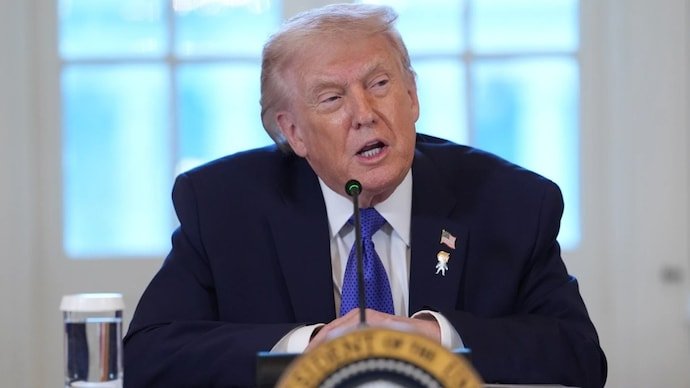
Addressing senior administration officials and executives from some of the world’s largest oil companies, Trump framed the initiative as both an economic opportunity and a political reset. He described Venezuela’s oil revival as a turning point after years of isolation and decline.
“Venezuela is going to be very successful,” Trump said, adding, “We’re taking back what was taken from us,” in reference to control over the country’s oil resources and revenues.
Trump also announced that oil companies would invest “at least $100 billion dollars of their money” into rebuilding Venezuela’s energy sector. Despite holding the world’s largest proven oil reserves, Venezuela’s production capacity has been crippled by sanctions, mismanagement, and chronic underinvestment.
The US president made it clear that Washington would retain firm oversight of Venezuela’s oil revival. His administration, he said, would decide which companies are permitted to invest, ensuring close supervision of both capital inflows and production levels.
What was once considered a rare, once-in-a-generation opportunity for global energy firms is now being shaped by US policy priorities. Trump has urged American oil companies to play a central role in repairing Venezuela’s aging infrastructure and rapidly scaling up output.
Under the plan outlined this week, Venezuela would sell between 30 million and 50 million barrels of sanctioned crude to the United States. The announcement followed the dramatic apprehension of Nicolas Maduro by US forces and his transfer from Caracas to custody in the US—a development that fundamentally altered Venezuela’s political landscape.
Currently, millions of barrels of Venezuelan oil remain stranded in storage tanks and offshore vessels due to sanctions and logistical barriers. US officials say Washington will maintain long-term restrictions on Venezuelan exports while selectively allowing shipments to reach non-US buyers under tightly controlled conditions.
For India, the proposed arrangement could offer a strategic opening to secure additional energy supplies, even as it underscores the growing influence of US policy in shaping the future of global oil trade.
For breaking news and live news updates, like us on Facebook or follow us on Twitter and Instagram. Read more on Latest World on thefoxdaily.com.






COMMENTS 0