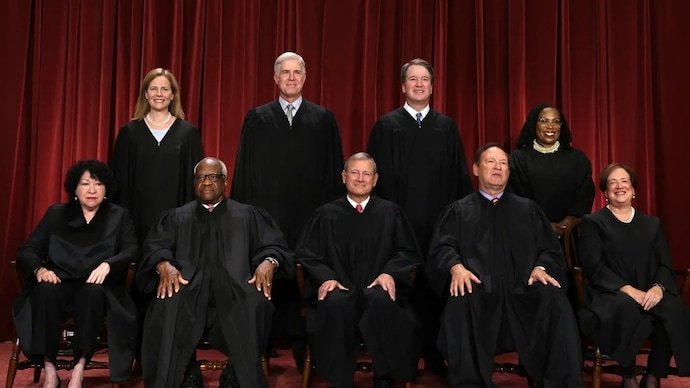
In a significant constitutional ruling, the United States Supreme Court invalidated broad tariffs imposed under the International Emergency Economic Powers Act (IEEPA). The 6–3 judgment clarified that while the President may exercise emergency powers, the authority to levy large-scale tariffs and taxes rests with congress under Article I of the US Constitution.
The decision has wide-reaching implications for executive power, trade policy, and the balance of authority between the White House and Capitol Hill. Below is a detailed breakdown of the justices who formed the majority and those who dissented in this landmark case.
Justices Who Voted to Overturn Trump’s Tariffs (6–3 Majority)
Chief Justice John Roberts
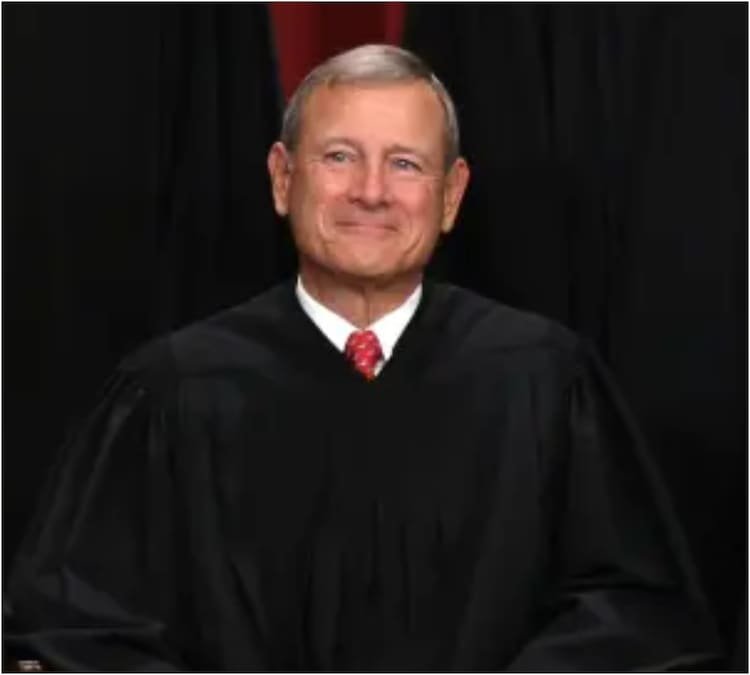
Chief Justice John Roberts authored the majority opinion, framing the case as a fundamental separation-of-powers issue. In his ruling, Roberts emphasized that the Constitution explicitly grants Congress — not the President — the authority to impose taxes and tariffs. He concluded that the IEEPA does not provide the executive branch with unilateral authority to introduce sweeping global trade levies.
Roberts underscored that emergency powers must be interpreted within constitutional limits, particularly when economic policy decisions significantly impact domestic and international markets.
Justice Neil Gorsuch
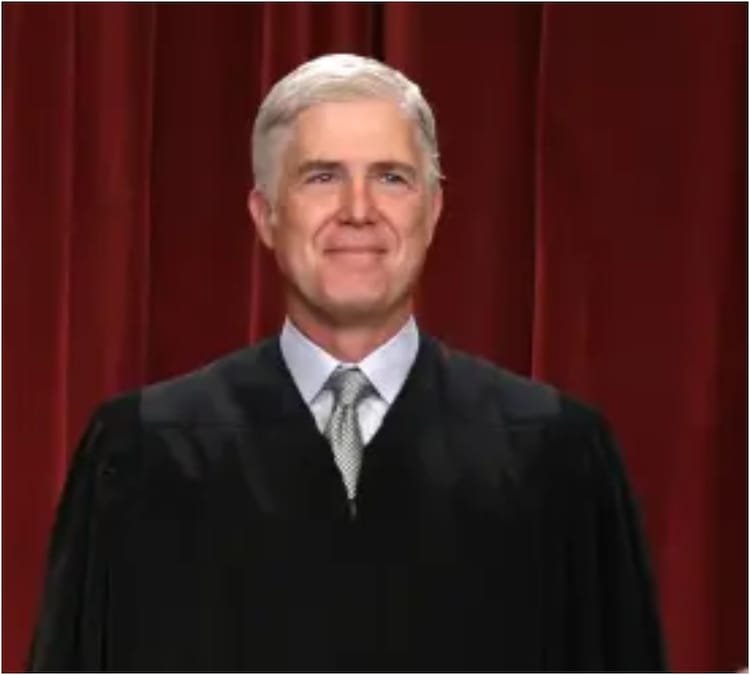
Justice Neil Gorsuch, a conservative jurist appointed by Donald Trump, joined the majority opinion. His vote was closely watched due to his textualist approach to statutory interpretation. By siding with the majority, Gorsuch reinforced the position that statutory language in the IEEPA does not authorize blanket tariff authority.
Justice Amy Coney Barrett

Justice Amy Coney Barrett, also appointed by Trump, joined Chief Justice Roberts’ opinion. Her alignment with the majority highlighted the court’s broader institutional concern over executive overreach rather than partisan divisions. Barrett agreed that Congress retains primary authority over taxation and tariff policies.
Justice Sonia Sotomayor
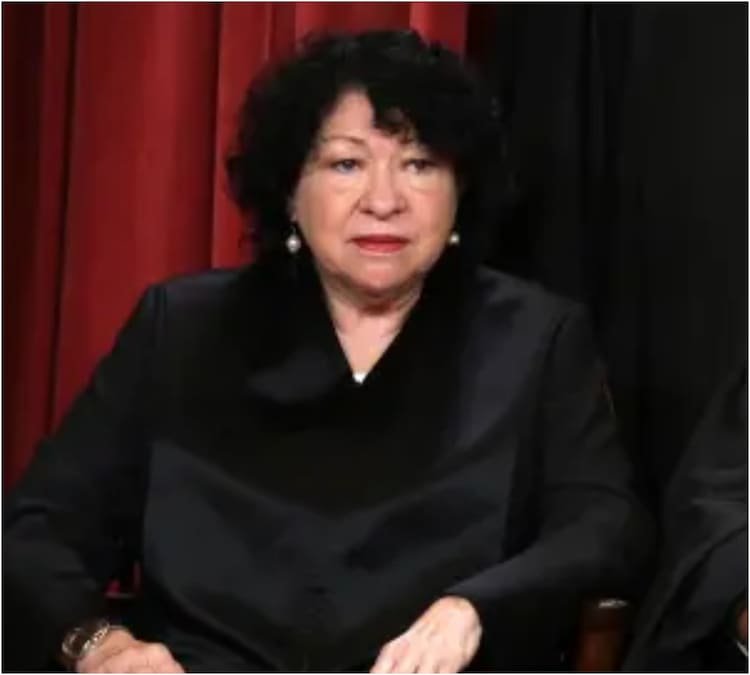
Justice Sonia Sotomayor concurred with the majority, stating that the IEEPA does not authorize the imposition of sweeping tariffs. Her reasoning reflected long-standing judicial caution against expansive interpretations of executive emergency powers without clear congressional authorization.
Justice Elena Kagan
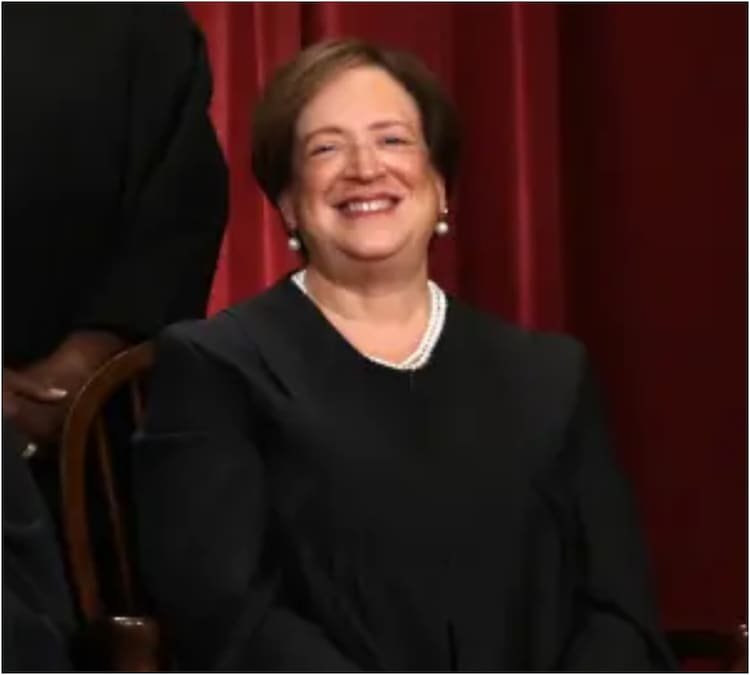
Justice Elena Kagan joined the majority and filed a concurring opinion alongside Justices Sotomayor and Jackson. Kagan argued that the case could be resolved through straightforward statutory interpretation without invoking broader constitutional doctrines such as the “major questions doctrine.”
Justice Ketanji Brown Jackson
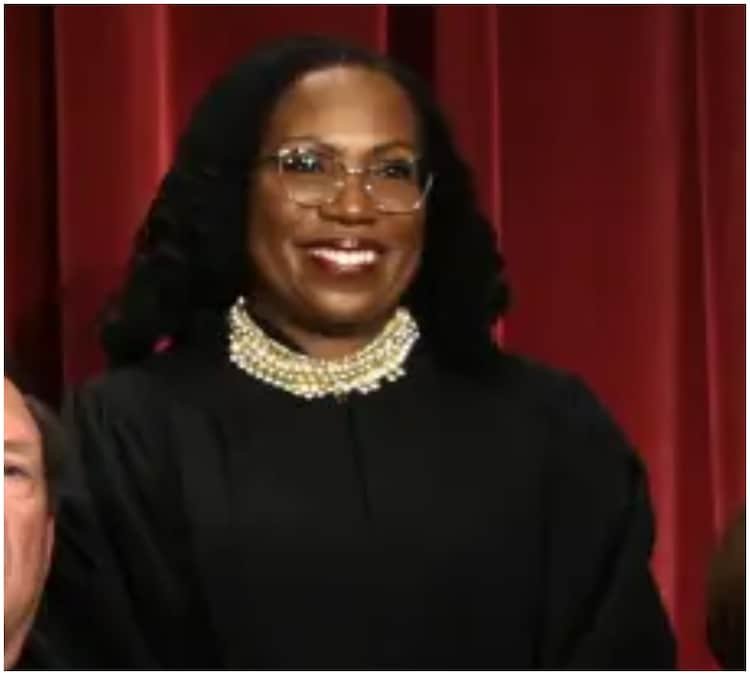
Justice Ketanji Brown Jackson also joined the majority and wrote separately to emphasize legislative intent. She pointed to congressional history indicating that lawmakers did not design the IEEPA to confer tariff-imposing authority on the President.
Dissenting Justices (3)
Justice Brett Kavanaugh
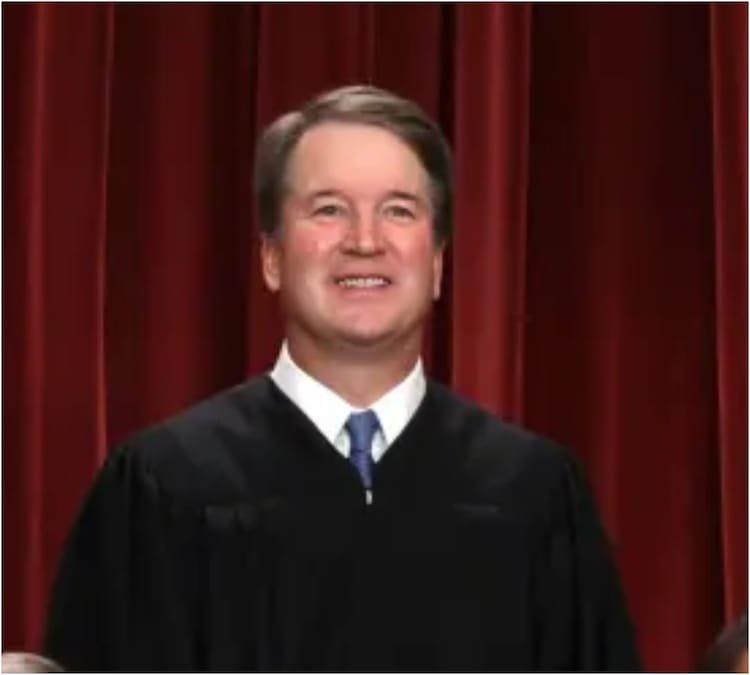
Justice Brett Kavanaugh authored the principal dissent. He argued that the tariffs were lawful under both statutory interpretation and historical precedent. According to Kavanaugh, presidents have historically exercised tariff authority during national emergencies, and the IEEPA’s language should be read to allow such flexibility.
He further cautioned that overturning the tariffs could create practical consequences, including potential financial complications related to already collected duties.
Justice Clarence Thomas
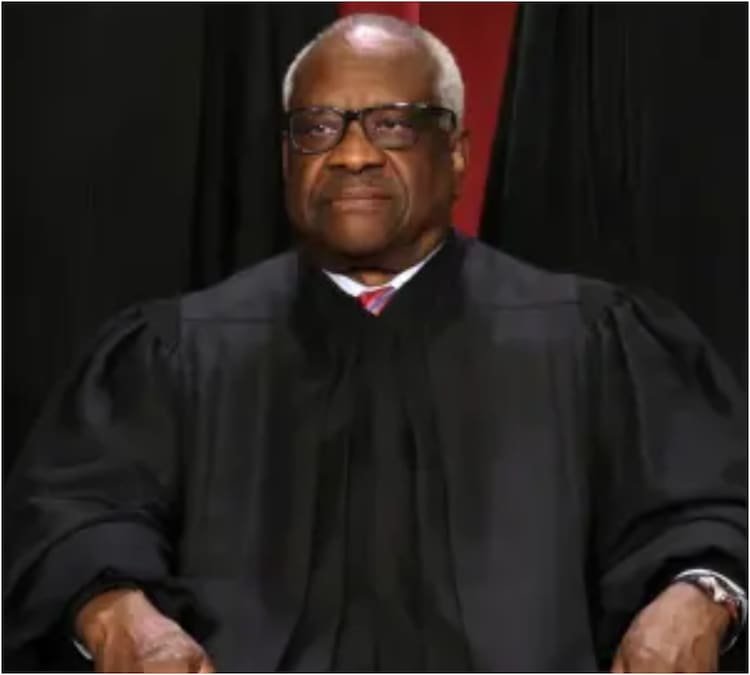
Justice Clarence Thomas filed a separate dissenting opinion echoing Kavanaugh’s position. He emphasized that Congress has the constitutional power to delegate trade authority to the President and maintained that historical precedent supports broad executive discretion in matters of international commerce.
Justice Samuel Alito
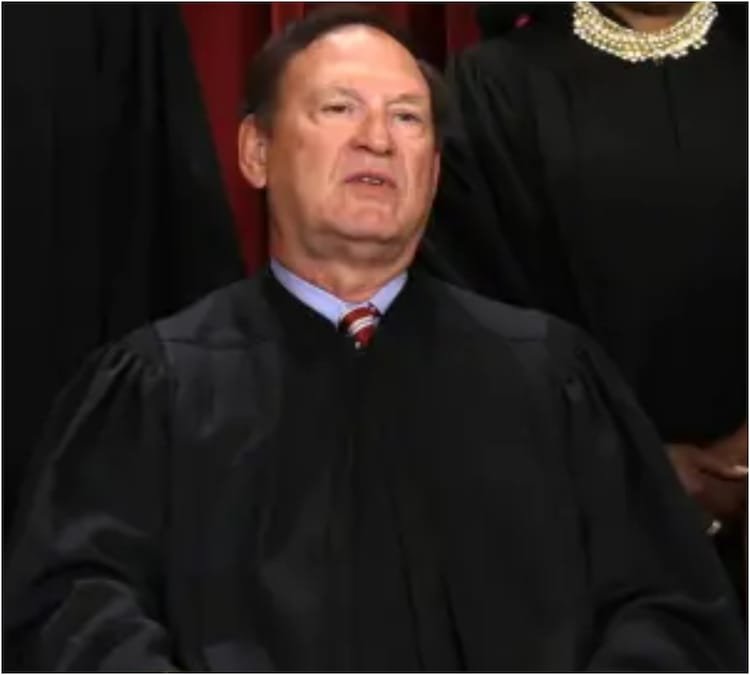
Justice Samuel Alito also dissented, arguing that the majority misinterpreted the statute and unnecessarily constrained presidential authority. He maintained that judicial interpretation should remain neutral and not be influenced by policy disagreements over trade strategy.
Final Vote Breakdown
- Majority (6): Roberts, Gorsuch, Barrett, Sotomayor, Kagan, Jackson
- Dissent (3): Kavanaugh, Thomas, Alito
The 6–3 ruling marks a significant constitutional moment in US Trade Policy jurisprudence. By reaffirming that Congress holds the primary power to impose tariffs, the Supreme Court reinforced the structural checks and balances embedded in the Constitution. The decision is expected to influence future administrations’ use of emergency economic powers and shape the legal boundaries of executive authority in international trade matters.
For breaking news and live news updates, like us on Facebook or follow us on Twitter and Instagram. Read more on Latest World on thefoxdaily.com.


COMMENTS 0