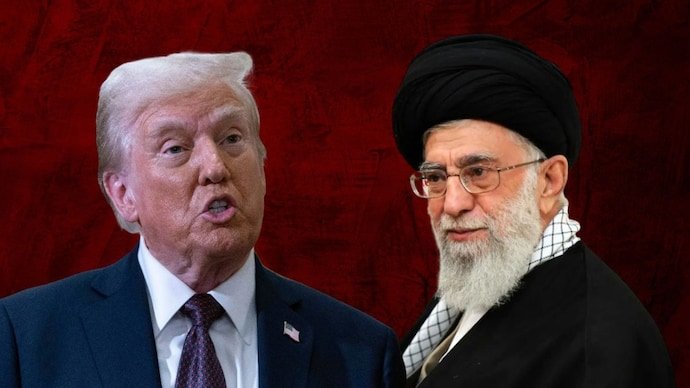
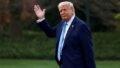
“We are going to hit them very hard.” “We are locked and loaded.” These stark warnings from US President Donald Trump mark a sharp escalation in rhetoric against Iran, just seven months after American bombers targeted key Iranian nuclear sites. The renewed focus on Tehran comes at a volatile moment, as Iran grapples with its longest stretch of internal unrest since the Mahsa Amini protests three years ago.
The timing of Trump’s aggressive posture is significant. It comes days after the dramatic US operation that led to the apprehension of Venezuelan President Nicolás Maduro, a move that has rattled regimes perceived as hostile to Washington. In Tehran, fears are growing that Iran could face a similar high-risk regime-change scenario.
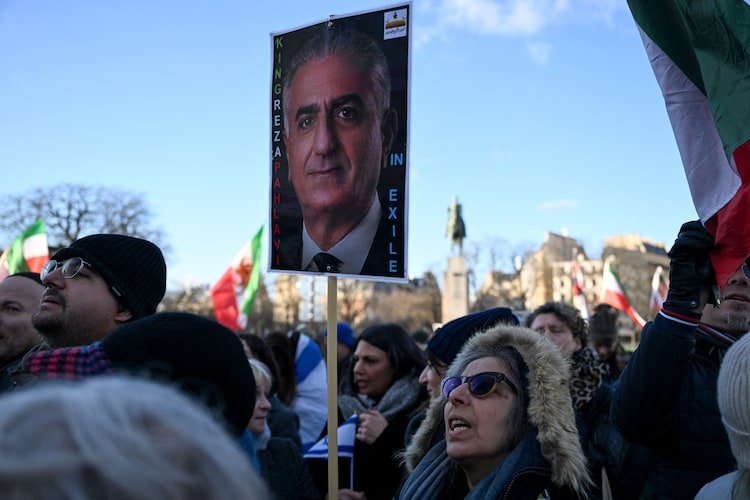
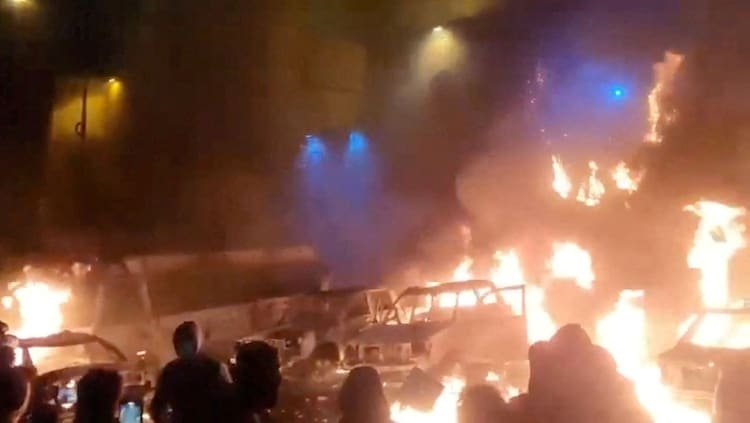
Inside Iran, simmering anger over economic hardship, inflation, and corruption has evolved into open resistance against the clerical establishment led by Ayatollah Ali Khamenei. According to Human Rights groups, nearly 40 people have been killed in clashes with security forces, though Iranian authorities claim the death toll is much lower. Regardless of the numbers, the scale and persistence of protests signal a serious challenge to the regime.
Rising US-Iran Tensions
Trump has warned that the United States could intervene if Iran “violently kills peaceful protesters,” and in recent days, his language has become even more forceful. The suggestion that Washington could use direct military force has emboldened protesters, who now see the possibility of international backing against the regime.
Tehran, for its part, cannot afford to dismiss these threats. Trump’s unpredictable leadership style and willingness to disrupt global norms—demonstrated in Venezuela—have raised alarm bells in Iran’s power corridors. With tensions escalating, both Trump and Khamenei face stark and consequential choices.
Last year, despite launching Operation Midnight Hammer against Iranian nuclear facilities, Trump reportedly resisted Israeli pressure to directly target Khamenei or Iran’s top military leadership. This time, however, the political landscape is different. The protests are no longer about reform alone; many demonstrators are openly rejecting the Islamic Republic itself.
This shift has energized Trump’s rhetoric, with hints that regime change may no longer be off the table. For Tehran, that represents an existential threat.
Can the US Pull a “Maduro-Style” Operation on Khamenei?
From a purely military standpoint, the United States possesses the capability to carry out a high-risk operation in Iran similar to the one conducted in Venezuela. The US maintains over 45,000 troops across Iraq, Syria, Qatar, and other Middle Eastern nations, supported by some of the most advanced military technology in the world.
Reports suggest that elite US special forces, including units allegedly involved in the Maduro operation, are stationed at bases in Iraq, within striking distance of Tehran. The Venezuela operation itself showcased US speed and precision, with Maduro reportedly extracted from his fortified compound and transferred to US custody within hours.
Iran’s defensive posture has also been weakened. The 12-day conflict last July exposed vulnerabilities in Tehran’s military infrastructure, highlighting outdated weaponry, strained logistics, and overextended forces. Once-powerful allies in the so-called “Axis of Resistance” have seen their influence and operational capacity sharply decline.
Crucially, Iran lacks a reliable military ally willing or able to intervene directly in the event of a US-led operation. This leaves Tehran with limited deterrence options should Washington decide to escalate further.
Iran’s Strategic Options
Despite its constraints, Iran is not without leverage. One of its most potent tools remains control over the Strait of Hormuz, a vital maritime chokepoint through which more than 25% of the world’s daily oil supply passes. Tehran has repeatedly threatened to block the Strait during periods of heightened tension.
Any disruption in the Strait of Hormuz would have far-reaching global consequences, particularly for Asian economies heavily dependent on Gulf oil exports. Countries like India could face significant energy supply shocks if Iran chose to weaponize this route.
Another option for Khamenei is negotiation. Iran could seek a diplomatic off-ramp by agreeing to halt or significantly roll back what remains of its nuclear enrichment program. Tehran has long insisted that its nuclear activities are strictly for civilian purposes, but concessions may be required to defuse the crisis.
A third, more personal option for the 86-year-old supreme leader is exile. Speculation has intensified in recent weeks that Khamenei may be considering an exit strategy, possibly seeking refuge in Russia should the situation spiral out of control.
Meanwhile, Iranian military leaders have struck a defiant tone. Army chief Major General Amir Hatami recently warned that Iran would “cut off the hand of any aggressor” and hinted at the possibility of preemptive action. Such statements reflect Tehran’s attempt to project strength even as internal pressures mount.
Ultimately, Iran faces a narrowing window. Protests show no sign of fading, and Trump appears increasingly assertive following recent US operations abroad. For Ayatollah Khamenei, balancing repression, negotiation, and survival may prove to be the most formidable challenge of his long rule.
For breaking news and live news updates, like us on Facebook or follow us on Twitter and Instagram. Read more on Latest World on thefoxdaily.com.




COMMENTS 0