- JD Vance’s ‘Toolkit’ Warning: What Was Actually Said?
- White House Responds to Nuclear Speculation
- US Strategy: Pressure Coupled With Negotiation
- Trump’s Deadline Intensifies Pressure on Iran
- Iran’s Domestic Response and Civil Mobilization
- Analysis: Strategic Ambiguity vs Clear Communication
- Conclusion: High Stakes, Careful Messaging, and an Uncertain Path Ahead
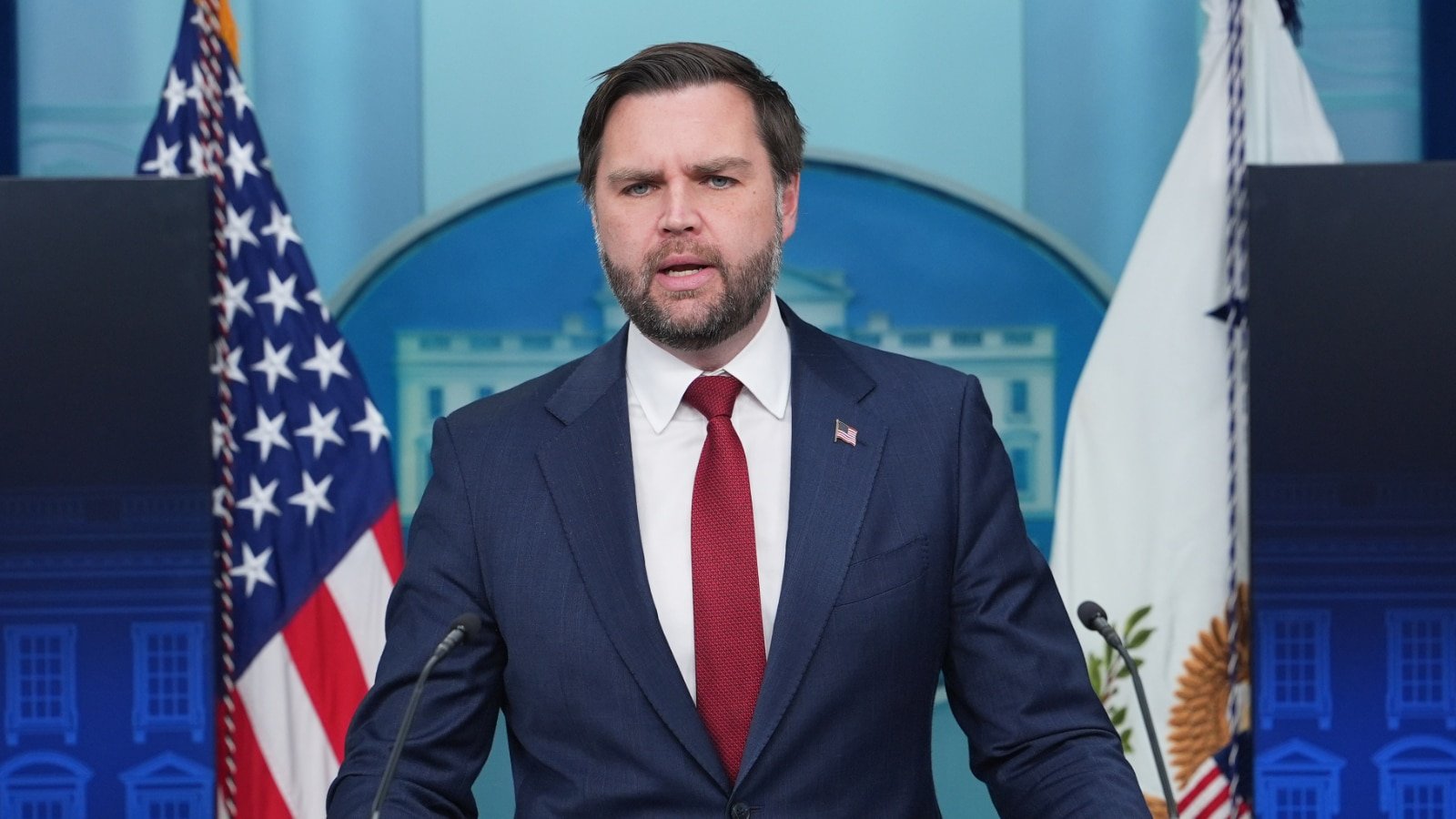
The White House on April 7, 2026, pushed back against growing speculation that the United States could consider using nuclear weapons against Iran, following remarks by Vice President JD Vance about “tools in our toolkit.” The clarification came after Vance warned that Washington could escalate its response if Tehran refuses a US-backed ceasefire proposal and declines to reopen the strategically critical Strait of Hormuz. Officials emphasized that the vice president’s comments were being misinterpreted, and no reference to nuclear weapons was implied.
JD Vance’s ‘Toolkit’ Warning: What Was Actually Said?
Speaking during a visit to Budapest, Hungary, Vice President JD Vance addressed the ongoing tensions between the United States and Iran. Appearing alongside Hungarian Prime Minister Viktor Orban, Vance stated that the US has not yet used all available options in its response to Tehran.
His comments were firm but measured, signaling both readiness for escalation and openness to negotiation.
“They’ve got to know: we’ve got tools in our toolkit that we so far haven’t decided to use. The President of the United States can decide to use them, and he will decide to use them if the Iranians don’t change their course of conduct.”
While the statement was intended to reinforce US leverage, it quickly sparked online speculation about what those “tools” might include.
Context Behind the Statement
- Location: Joint press briefing in Budapest, Hungary
- Timing: Amid escalating tensions and approaching US deadline
- Objective: Pressure Iran to accept ceasefire terms
- Tone: Strategic ambiguity paired with diplomatic signaling
Importantly, Vance did not specify what these tools were, leaving room for interpretation and, as it turned out, misinterpretation.
White House Responds to Nuclear Speculation
Following a wave of Social Media claims suggesting that Vance was hinting at the possible use of nuclear weapons, the White House issued a direct and strongly worded denial.
In a post on X (formerly Twitter), officials dismissed the interpretation outright, stating that nothing in the vice president’s remarks supported such a conclusion.
“Literally nothing Vice President Vance said here ‘implies’ this.”
The response aimed to contain misinformation and refocus attention on the administration’s stated policy approach combining military pressure with diplomatic efforts.
"I hope they make the right response," says @VP on Iran.
"They've got to know, we've got tools in our toolkit that we so far haven't decided to use. @POTUS can decide to use them, and he will decide to use them if the Iranians don't change their course of conduct." pic.twitter.com/UUiQ5SdEO5
— Rapid Response 47 (@RapidResponse47) April 7, 2026
Why the Clarification Matters
In high-stakes geopolitical situations, language plays a critical role. Even vague phrasing can trigger widespread speculation, particularly when it involves nuclear-armed states.
- Market impact: Energy markets often react to escalation fears
- Public concern: Nuclear rhetoric raises global anxiety
- Diplomatic consequences: Misinterpretation can strain negotiations
The White House’s swift response suggests an effort to maintain clarity and prevent unnecessary escalation both politically and rhetorically.
US Strategy: Pressure Coupled With Negotiation
Despite the tough language, Vance also struck a more optimistic tone regarding the possibility of a diplomatic resolution. He expressed hope that Iran would respond positively to US demands, avoiding further escalation.
“I hope they make the right response.”
He further noted that the United States has already achieved many of its military objectives, indicating that Washington may prefer a negotiated outcome rather than prolonged conflict.
Key US Objectives
| Objective | Description |
|---|---|
| Ceasefire Agreement | End ongoing hostilities in the region |
| Strait of Hormuz | Ensure reopening of critical global oil route |
| Regional Stability | Prevent further escalation in West Asia |
| Economic Flow | Maintain steady oil and gas supply worldwide |
Vance emphasized the broader economic stakes, highlighting the importance of stable energy supplies for everyday life.
“What we really want is a world where oil and gas is flowing freely, where people can afford to heat their homes and cool their homes, and transport themselves to work,” he said.
Trump’s Deadline Intensifies Pressure on Iran
The situation has been further heightened by President Donald Trump’s recent warning that severe consequences could follow if Iran fails to meet a US-imposed deadline. The deadline, set for early April 8, 2026 (IST), requires Tehran to agree to a ceasefire and reopen the Strait of Hormuz.
Trump’s rhetoric has been notably forceful, including a statement warning of catastrophic outcomes if an agreement is not reached.
Key Developments Leading Up to the Deadline
- Repeated extensions: Previous deadlines were extended multiple times
- Final warning tone: Latest deadline described as decisive
- Infrastructure threats: Mention of possible strikes on energy facilities
- Regional tension: Conflict ongoing for over a month
Such statements have placed Iran under significant pressure while also raising concerns among global observers about the potential for rapid escalation.
Iran’s Domestic Response and Civil Mobilization
In response to the threats, Iranian officials have reportedly urged civilians particularly young people to form human chains around key infrastructure sites, including power plants. The move appears aimed at both protecting critical facilities and signaling national unity.
This development reflects the seriousness with which Tehran is treating the situation, as well as the broader societal impact of the الأزمة.
Implications of Civilian Involvement
- Symbolic resistance: Demonstrates public solidarity
- Human shield concerns: Raises ethical and humanitarian questions
- Global optics: Influences international perception
While such actions can galvanize domestic support, they also underscore the risks civilians face in modern conflicts, particularly when infrastructure becomes a focal point.
Analysis: Strategic Ambiguity vs Clear Communication
Vance’s “toolkit” remark illustrates a long-standing strategy in International Relations: strategic ambiguity. By not specifying available options, governments can maintain flexibility while deterring adversaries.
However, in today’s fast-moving digital environment, ambiguity can quickly lead to misinformation. The rapid spread of nuclear speculation highlights how easily messages can be distorted.
Balancing deterrence with clarity is increasingly challenging. Leaders must communicate strength without triggering unintended panic a task easier said than done.
Conclusion: High Stakes, Careful Messaging, and an Uncertain Path Ahead
The White House’s clarification that nuclear weapons are not under consideration helps defuse one layer of tension in an already volatile situation. However, the broader conflict between the United States and Iran remains unresolved, with a critical deadline looming.
JD Vance’s remarks underscore Washington’s willingness to escalate if necessary, while also leaving the door open for Diplomacy. At the same time, Iran’s response including civilian mobilization signals that the stakes are deeply felt on the ground.
Looking ahead, the coming days will be crucial. Whether through negotiation or escalation, decisions made now could have far-reaching consequences not just for the region, but for Global energy markets and geopolitical stability.
In the end, one thing is clear: words matter. And in moments like this, how they are interpreted can be almost as important as the actions that follow.
For breaking news and live news updates, like us on Facebook or follow us on Twitter and Instagram. Read more on Latest World on thefoxdaily.com.





COMMENTS 0