Learning the stock market can be overwhelming for beginners. A simple search for how to learn stock market trading, find a free stock market course or discover the best stock market YouTube channel can lead to thousands of videos, trading tips and online communities. With so much information competing for attention, new learners often struggle to identify reliable educational resources.
The bigger challenge is not always finding information but knowing whom to trust. Many finance channels promote paid courses, trading strategies and market predictions alongside educational content. When every video appears to lead towards a product or service, beginners may find it difficult to distinguish genuine learning from marketing.
This can create confusion and discourage people from exploring the stock market further. Trading is already challenging, and unrealistic expectations can make the learning process even harder. What beginners often need is a structured approach that explains market concepts without promising quick profits.
The GTF YouTube channel aims to address this gap through free educational content, structured courses and lessons on trading psychology. Founded around the idea that people should understand the market before investing their money, GTF focuses on teaching concepts from the basics to more advanced topics.
Meet GTF: The People and the Idea Behind the Channel
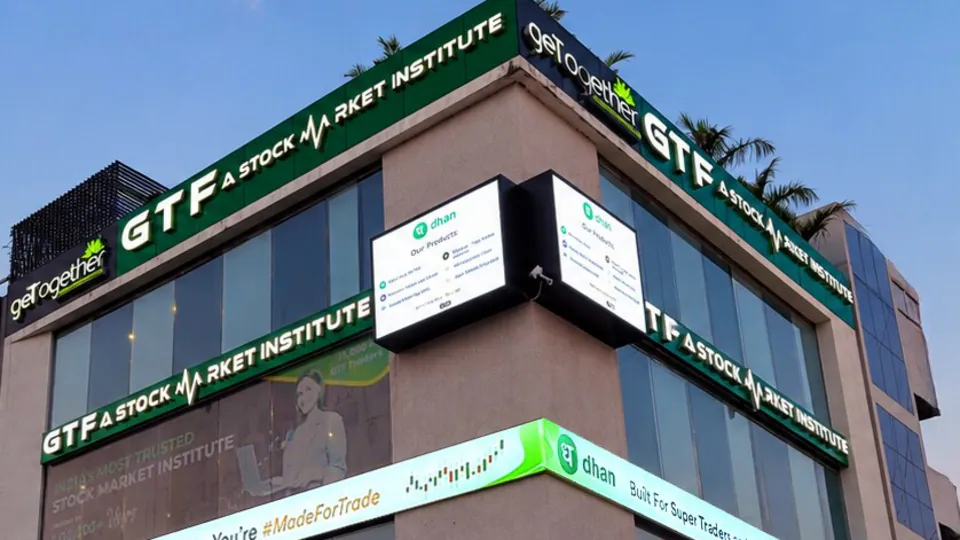
GTF is a stock market education institute started by Arun Singh Tanwar and Sooraj Singh Gurjar. Their central belief is that everyone should have an opportunity to understand how financial markets work before putting money into trading or investing.
That philosophy shapes the content available on the GTF YouTube channel. Instead of relying primarily on exaggerated profit claims or sensational market predictions, the channel focuses on explaining concepts in a structured and accessible way.
Its educational approach begins with fundamental stock market topics and gradually introduces more advanced concepts. This allows learners to follow a learning path rather than constantly switching between unrelated videos and different creators.
The channel brings together complete courses, educational playlists, market discussions and videos covering trading psychology and mindset. Its stated focus is on helping viewers understand market behaviour and develop more informed decision-making habits.
GTF’s growth also reflects an approach that, according to the information provided by the institute, has relied on organic audience interest rather than paid advertising campaigns. The channel’s audience has grown through viewers discovering its lessons and choosing to follow its content.
The Numbers Behind GTF’s No-Hype Approach
Audience numbers alone cannot establish the quality of a financial education platform. However, they provide an indication of the reach and engagement its content has achieved.
According to figures shared by GTF, the channel and its learning community have reached the following milestones:
- 18 million views: Its complete stock market course has crossed 18 million views.
- 2.62 million subscribers: The GTF YouTube channel has built a substantial subscriber base.
- 15,000+ comments: Viewers have contributed thousands of comments and interactions.
- 500,000+ community members: The GTF learning community has expanded across India.
- 40,000+ certified traders: GTF says more than 40,000 learners have completed its certification process.
One of the most notable figures is the 18 million views recorded by the complete stock market course. The course was uploaded in December 2024 and crossed this milestone in less than two years, according to the information shared by GTF.
Unlike a short market update or a viral trading clip, a long educational course requires viewers to invest considerable time. Learners need to return for multiple lessons, understand the concepts and follow the material in sequence. Continued interest in such content can indicate that viewers are finding value in the learning experience.
The channel’s subscriber count provides another measure of its reach. Subscribing allows viewers to follow future lessons and educational updates. However, subscribers and views should be understood as audience metrics rather than proof of trading performance or guaranteed learning outcomes.
The comment section is another part of the channel’s engagement. More than 15,000 comments suggest that viewers have actively interacted with the content. In educational communities, comments can provide space for questions, discussions, feedback and clarification of difficult concepts.
GTF also reports having more than 500,000 community members and over 40,000 certified traders. These figures indicate the scale of the institute’s learning ecosystem, although certification should not be confused with a guarantee of profitable trading.
A Complete Stock Market Course Available for Free
One of the central offerings on the GTF YouTube channel is its course titled Trading in the Zone Elementary, also presented as A Complete Course on the Stock Market.
The course runs for more than 50 hours and is available free of charge on YouTube. It is designed to take learners from introductory stock market concepts towards more advanced areas of trading education.
For beginners, a structured course can be more useful than watching individual videos without a clear learning sequence. Understanding basic concepts first can make it easier to follow technical analysis, risk management and market behaviour later.
The course begins with practical introductory topics. Some of its early episodes include:
- Episode 1: Best Charting Software
- Episode 2: Why Does Stock Price Go Up and Down in the Stock Market?
- Episode 3: Demand and Supply in the Stock Market
- Episode 4: Best Way to Mark Entry, Stop-Loss and Target
- Episode 5: Trading Psychology: Your Mind vs News
- Episode 6: Price Action Behind the Candles
- Episode 7: Multiple Time Frame Analysis and More
As learners progress, the course covers subjects such as demand and supply, price action, risk management, multiple time-frame analysis, sector analysis and trading psychology.
These topics are connected. For example, understanding price action can help a learner interpret movements on a chart, while risk management explains how to approach potential losses. Multiple time-frame analysis introduces another way to study price behaviour across different periods.
The course’s free availability also removes an important financial barrier. Students, working professionals and people living in smaller towns can access the lessons without paying an enrolment fee. They can watch the material according to their schedules and revisit difficult topics when necessary.
However, free educational access does not remove the risks associated with trading. Learners still need to practise, understand the possibility of losses and avoid treating educational examples as direct instructions to buy or sell financial instruments.
Free Course vs Paid Course: Understanding the Difference
Transparency about free and paid educational offerings is important when evaluating any financial education platform. GTF provides a free course for foundational learning and also offers a separate paid programme through its institute.
The free Trading in the Zone Elementary course uses historical market examples, many of which date from around 2023. Arun Singh Tanwar explains these situations to demonstrate how different market concepts can be applied to actual charts.
Historical examples can help learners understand how a particular strategy or concept works under specific market conditions. However, market behaviour changes over time, and an approach that appeared effective in an earlier period may not produce the same outcome in a different environment.
For learners seeking instruction using current market situations, GTF also offers a paid programme called Trading in the Zone Advanced through the GTF Institute.
The programme uses live market situations to help learners observe how trading concepts are applied as conditions change. This provides a different learning experience from studying historical examples in a recorded course.
The distinction is important for beginners evaluating their options. They can first explore the free material, understand the teaching approach and decide whether they want additional instruction. The availability of a paid programme does not mean learners must purchase it to access the introductory course.
Anyone considering a paid trading course should evaluate its curriculum, teaching methods, fees and suitability for their learning needs. No course, whether free or paid, can guarantee trading profits.
The Mental Clarity Playlist: Why Trading Psychology Matters
Technical knowledge is only one part of trading. A person may understand chart patterns, indicators and market movements but still struggle to make disciplined decisions when money is at risk.
Emotions such as fear, greed, impatience and overconfidence can influence trading behaviour. A trader might exit a position too early after becoming anxious, hold a losing position for too long or take unnecessary risks after making a profit.
News headlines and sudden market movements can also encourage impulsive decisions. This is why trading psychology is an important part of financial education.
GTF addresses this subject through a separate Mental Clarity playlist, which includes four parts:
- Part 1: Mental Clarity Is the New Wealth in a World Designed to Confuse You
- Part 2: Two Pillars of Mental Clarity
- Part 3: How to Think Like Arun and Sooraj
- Part 4: Mental Clarity: What the Bhagavad Gita Teaches About Life and Trading
The playlist explores the relationship between mental discipline, decision-making and trading behaviour. It encourages viewers to think beyond chart patterns and consider how their own reactions can influence financial choices.
This content may also be relevant to people who are not active traders. Lessons about patience, emotional control and thoughtful decision-making can be useful in everyday situations where people face uncertainty or pressure.
By giving trading psychology a dedicated place alongside technical lessons, GTF presents market education as more than simply identifying potential entry and exit points.
A Community of More Than 500,000 Learners
Online education can sometimes feel like an individual activity. A learner watches videos, takes notes and tries to understand concepts without having someone nearby to discuss questions or difficulties.
Communities can provide an additional learning environment by allowing people to exchange ideas, ask questions and discuss their experiences. This can be particularly useful for beginners who may not have friends or family members interested in financial markets.
GTF says its community has grown to more than 500,000 members, with learning communities across India. The institute also reports that more than 40,000 learners have become certified traders after completing its learning process.
These figures represent different aspects of the platform. The community size reflects the number of people who have joined its wider learning ecosystem, while the certification figure relates to learners who have completed the institute’s certification process.
For people learning about trading, access to a community may help them discuss concepts and stay connected with other learners. However, community discussions should not replace independent research or personal financial judgement. Trading decisions should be based on an individual’s understanding of risk rather than pressure from other participants.
Why Teaching Without Hype Can Build Trust
The growth of educational platforms such as GTF highlights several principles that can make financial learning more accessible and organised.
- Trust through transparency: Avoiding exaggerated profit promises helps create more realistic expectations. Learners can focus on understanding the subject instead of being influenced by unrealistic claims.
- Structured learning: A course that progresses from basic concepts to advanced topics provides a clearer path than disconnected videos and random trading tips.
- Free access: Removing an upfront course fee allows people with different financial backgrounds to explore stock market education.
- Education before sales: Making foundational lessons available without payment gives learners an opportunity to assess the teaching approach before considering additional programmes.
- Practical market examples: Historical chart examples can help explain how concepts such as demand, supply, price action and risk management work in different situations.
- Focus on psychology: Addressing fear, greed and emotional decision-making highlights the importance of discipline alongside technical knowledge.
These principles are not unique to one platform, but they are important standards for anyone searching for reliable financial education. A useful learning resource should explain both the opportunities and limitations of trading rather than presenting the market as an easy way to make money.
For content creators in the finance sector, the approach also offers a broader lesson. Sensational claims may attract attention, but consistent educational material can help build a more engaged audience over time.
Who Can Benefit From the GTF Stock Market Course?
The free course is designed for people at different stages of their learning journey. Since it is available online, viewers can access the lessons from different locations and follow them at a pace that suits their schedules.
- Students: Students interested in financial markets can use introductory lessons to understand basic concepts, market terminology and the difference between investing and trading. Learning these subjects early can improve financial awareness.
- Working professionals: People with full-time jobs may find recorded lessons useful because they can study during evenings or weekends instead of following a fixed classroom schedule.
- Homemakers: People managing household finances may benefit from understanding savings, investments and the way financial markets operate. The course provides an opportunity to explore these subjects from home.
- Retired individuals: People approaching or already in retirement may be interested in improving their financial knowledge. However, they should be particularly careful about taking risks with savings needed for regular expenses.
- Existing traders: People who have learned trading concepts from different sources may use a structured course to revisit foundational topics and organise their understanding of technical analysis and risk management.
Regardless of age, profession or educational background, learners should approach the stock market with patience. Understanding concepts is only the first step; practical experience, risk awareness and disciplined decision-making are equally important.
Is GTF the Best Stock Market YouTube Channel for You?
There are many YouTube channels offering stock market lessons, technical analysis, market commentary and trading strategies. The best stock market YouTube channel depends on what an individual wants to learn and how they prefer to study.
GTF offers several features that may appeal to beginners, including a free course of more than 50 hours, a structured progression from introductory to advanced topics, a dedicated trading psychology playlist and access to a large learning community.
Its reported 18 million course views and 2.62 million subscribers demonstrate the reach of its educational content. The institute also reports more than 500,000 community members and over 40,000 certified traders.
These figures make GTF a notable option for people searching for a YouTube channel focused on stock market education. Nevertheless, popularity should not be the only factor when choosing a learning resource. Viewers should assess the accuracy of explanations, relevance of examples, transparency of paid offerings and whether the teaching style suits their needs.
It is also important to remember that educational content cannot eliminate market risk. Trading involves the possibility of losing money, and no video, course or certification can guarantee a particular financial outcome.
Learning First Is More Important Than Finding the Next Trade
The central idea behind teaching trading without hype is straightforward: people should understand the market before risking their money. A structured course, accessible lessons and discussions about trading psychology can help beginners build a stronger foundation.
GTF’s reported audience growth suggests that there is considerable interest in free and organised stock market education. Its long-form course, Mental Clarity playlist and wider learning community offer different ways for viewers to explore financial markets.
For someone beginning their journey, starting with foundational lessons may be more useful than searching constantly for trading tips or market predictions. Taking notes, revisiting difficult topics and learning about risk management can make the process more meaningful.
Those interested in the GTF approach can begin with the first episode of its free stock market course and progress through the lessons at their own pace. The most important step is to learn carefully, question unrealistic claims and understand the risks before making financial decisions.
Ultimately, a good stock market education channel should help viewers become more informed and independent learners. Trading without hype does not mean trading without risk. It means recognising those risks, setting realistic expectations and putting education before the search for quick profits.
For breaking news and live news updates, like us on Facebook or follow us on Twitter and Instagram. Read more on Latest Business on thefoxdaily.com.


COMMENTS 0