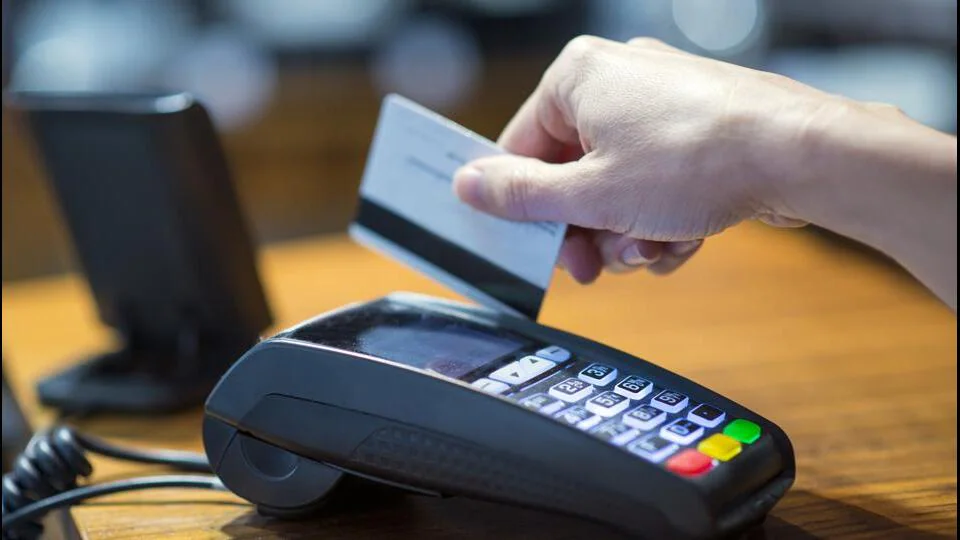
Credit cards have become an increasingly popular payment option in India, but their growing use also raises an important financial question: are the rewards and convenience worth the cost of carrying outstanding debt? With high interest rates, rising credit card balances and changing reward programmes, consumers need to understand the real cost of using their cards.
According to a white paper published by TransUnion CIBIL in June 2026, the number of active credit cards in India has increased fivefold over the past decade to 107 million. The average credit card balance per consumer has also risen from ₹31,000 to ₹65,000, while the share of customers holding three or more cards has increased from 12% to 22%.
Reserve Bank of India (RBI) data shows that aggregate credit card outstanding increased from ₹2.7 lakh crore to ₹3 lakh crore in the two years leading up to August 2026. Although credit cards offer short-term interest-free credit and attractive benefits, unpaid balances can become expensive because annual interest rates can reach 45%.
Key Highlights
- India had 107 million active credit cards in June 2026, five times the level recorded a decade earlier.
- Average credit card balances per consumer increased from ₹31,000 to ₹65,000 over 10 years.
- Credit card annual interest rates can range from 36% to 45%, making unpaid balances expensive.
- Paying only the minimum amount due can keep consumers in debt for several years.
- Experts recommend keeping credit utilisation below 30% and paying the total outstanding balance on time.
Why Credit Card Debt Can Become Expensive
Credit cards provide access to short-term borrowing, allowing customers to make purchases today and repay the amount later. A standard credit card generally offers an interest-free period of up to 50 days, depending on the billing cycle and transaction date.
However, this benefit usually depends on paying the entire outstanding amount by the payment due date. If a customer fails to clear the full bill, interest may apply to the unpaid balance. New purchases may also lose their interest-free period until the outstanding dues are cleared, subject to the card’s terms and conditions.
Annual percentage rates (APRs) on credit cards can range from 36% to 45%. At these rates, even a relatively small unpaid balance can accumulate significant interest over time. Customers may also have to pay applicable Goods and Services Tax (GST) on interest and certain charges.
How the Minimum Payment Trap Keeps You in Debt
Paying only the minimum amount due may help customers avoid being classified as having missed a payment, provided they meet the issuer’s terms. However, it does not mean that the outstanding balance is being repaid quickly.
Consider a credit card balance of ₹1 lakh with an annual interest rate of 45%, equivalent to approximately 3.75% per month. If the customer pays only the minimum amount due, assumed here to be 5% of the balance plus interest, a relatively small portion of the payment may go towards reducing the original principal.
When 18% GST on interest is also considered, the first minimum payment may leave only around one rupee out of every four going towards reducing the principal, based on the illustration.
Under the example provided, a customer who continues paying only the minimum amount for 10 years, without making any new purchases, could repay approximately ₹3.35 lakh and still owe around ₹17,000 in principal.
This illustrates why minimum payments should not become a long-term repayment strategy. The actual repayment period and total cost will depend on the card’s interest calculation, minimum payment formula, fees and payment history.
Why Paying More Than the Minimum Amount Matters
Making larger monthly payments reduces the outstanding principal faster and helps limit the interest charged in subsequent billing cycles.
Ritesh Srivastava, CEO and founder of FREED, a debt resolution and loan management platform, highlighted the risks of relying on minimum payments. He said that even repaying 7% of a ₹1 lakh credit card balance every month at an APR of 45% could take approximately 10.7 years to clear the debt.
He also emphasised that consumers should aim to repay as much of their outstanding balance as possible rather than allowing interest to accumulate.
The article’s repayment illustration also suggests that paying a fixed ₹10,000 every month could clear the ₹1 lakh balance in approximately 14 months. This is an illustrative estimate and actual repayment would depend on the interest calculation and applicable charges.
How to Keep Monthly Credit Card Spending Under Control
One important way to manage credit card spending is to keep monthly utilisation below 30% of the assigned credit limit.
Credit utilisation refers to the proportion of available credit that a customer uses. For example, if a card has a credit limit of ₹1 lakh, spending below ₹30,000 would keep utilisation under 30% at the relevant reporting point.
High utilisation can indicate greater dependence on borrowed money and may negatively affect a consumer’s credit score. Maintaining a lower utilisation level can help demonstrate more controlled credit usage.
Customers should also remember that a credit card limit is not a spending target. Banks may provide limits that are significantly higher than an individual’s monthly income, but this does not mean the entire amount should be used.
If spending regularly exceeds 30% of the limit, customers can consider making an additional payment during the billing cycle to reduce the outstanding balance, while ensuring that the full statement amount is paid by the due date.
Always Pay Your Credit Card Bill Before the Due Date
Missing a credit card payment deadline can lead to late payment charges and additional interest costs. Depending on the card and outstanding amount, late charges can reach ₹1,200 on some cards.
Applicable GST may also be charged on late fees and interest. These additional expenses increase the total cost of borrowing and can make it harder to clear the outstanding balance.
If the total amount due is too large to repay immediately, customers should try to pay a higher fixed amount every month rather than limiting themselves to the minimum payment. They should also avoid making unnecessary new purchases until the existing balance is under control.
Setting up automatic payment for the total amount due can help prevent missed deadlines. However, customers should ensure that sufficient funds are available in their linked bank account before the payment date.
Are Credit Card Rewards Worth the Spending?
Credit card rewards can include cashback, reward points, airline miles, airport lounge access, hotel benefits, dining vouchers and insurance coverage. These features can provide value, but customers should calculate the actual benefit rather than focusing only on promotional reward multipliers.
For example, a card may advertise five times the reward points on selected purchases. However, the actual value depends on the conversion rate, redemption options, spending categories and any restrictions attached to the programme.
Some banks have also changed their rewards programmes by reducing benefits or introducing additional conditions for cashback, lounge access and travel-related rewards. Axis Bank, for example, has recently restructured or removed certain reward links with key hotel and airline partners.
Customers should therefore check the latest terms before applying for a card or paying an annual fee. A reward programme that looks attractive at first may deliver limited value after redemption restrictions and other conditions are considered.
Why Overspending to Earn Rewards Can Backfire
Credit card rewards are useful only when they come from spending that a customer would have undertaken anyway. Making unnecessary purchases to unlock cashback or reward points can result in a financial loss.
Arijit Sen, a Kolkata-based SEBI-registered investment adviser, warned against spending extra money merely to qualify for promotional benefits. He explained that spending an additional ₹10,000 to earn ₹200 in cashback effectively means paying ₹9,800 for something the customer may not have needed.
Offers such as spending a certain amount to unlock a voucher can encourage customers to increase their purchases. However, the value of the reward may be much smaller than the additional spending required to obtain it.
Consumers should compare the actual redemption value, annual fees, eligibility conditions and spending requirements before deciding whether a credit card’s rewards justify its cost.
What to Do If You Are Stuck in Credit Card Debt
Customers who are struggling with large credit card balances should focus on reducing the debt rather than continuing to make only minimum payments.
One option is to use available surplus funds in a savings account to reduce the outstanding balance. Since credit card interest can reach 3.75% to 4% per month, clearing this expensive debt may be financially beneficial, provided the customer retains enough emergency savings.
If full repayment is not possible, consumers may compare other borrowing options, such as a loan against fixed deposits, a gold loan or a personal loan. These alternatives also involve interest and charges, but their borrowing costs may be lower than those of credit card debt.
Before transferring the balance to another loan, customers should compare the interest rate, processing fees, repayment period, foreclosure charges and total repayment amount. Taking another loan without changing spending habits can simply move the debt from one account to another.
Credit Card Defaults Are a Growing Concern
According to Srivastava, credit card defaults account for approximately 30% of the stressed loans enrolled on FREED’s platform. He also noted that personal loans are increasingly becoming a preferred option for first-time access to credit, while credit cards continue to be widely used.
The observation highlights the importance of responsible borrowing. Credit cards provide convenient access to short-term liquidity, but customers who regularly spend beyond their repayment capacity can face a cycle of rising interest and outstanding balances.
Practical Rules to Make Your Credit Card Work for You
Credit cards can be useful financial tools when customers understand their billing cycles, repayment obligations and reward conditions. A few basic habits can help reduce the risk of expensive debt.
- Spend within your repayment capacity: Use the card only for purchases that you can afford to repay from your available income or bank balance.
- Keep utilisation below 30%: Avoid regularly using a large portion of your available credit limit.
- Pay the total amount due: Do not treat the minimum payment as a long-term repayment option.
- Set up automatic payments: Consider enabling auto-pay for the total statement amount and maintain sufficient funds in your bank account.
- Review reward conditions: Check redemption rates, annual fees, spending requirements and changes to benefits.
- Avoid unnecessary purchases: Never spend extra money just to earn cashback, points or promotional vouchers.
Sen recommends keeping utilisation around or below 30% and setting automatic payments for the total amount due rather than the minimum payment.
Conclusion: Is Your Credit Card Worth the Cost?
A credit card can offer convenience, short-term interest-free credit and valuable rewards, but these benefits can quickly disappear when customers carry unpaid balances. With annual interest rates reaching 45%, credit card debt can become one of the most expensive forms of borrowing in a household’s finances.
The key is to use credit cards as a payment tool rather than an extension of income. Keeping utilisation under control, paying the full bill on time and avoiding unnecessary spending can help customers benefit from rewards without accumulating expensive debt.
Ultimately, a credit card is worth its cost when its convenience and benefits exceed its fees and the user avoids interest-bearing debt. Without repayment discipline, even an attractive rewards programme may not compensate for the financial burden of unpaid dues.
For breaking news and live news updates, like us on Facebook or follow us on Twitter and Instagram. Read more on Latest Business on thefoxdaily.com.






COMMENTS 0