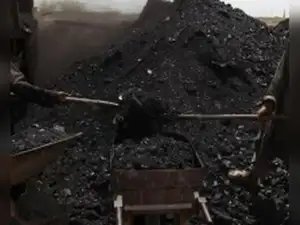
NTPC Limited has submitted two proposals for coal gasification projects under the government’s Rs 37,500 crore incentive scheme, marking another step towards expanding the use of domestic coal resources. The proposed projects are aimed at producing value-added products such as urea, methanol and dimethyl ether (DME).
The initiative is designed to promote coal gasification in India, reduce dependence on imported feedstock and support domestic industrial production. The Ministry of Coal has also announced the opening of the third round of applications on November 10, with January 11, 2027, set as the submission deadline.
NTPC Submits Two Separate Applications for Coal Gasification Projects
The Ministry of Coal confirmed that it received two applications from NTPC Limited during the second round of the scheme. The proposals cover two different product categories:
- First proposal: Production of urea through coal gasification.
- Second proposal: Production of methanol and dimethyl ether (DME).
The applications highlight NTPC’s interest in using domestic coal resources to manufacture industrial products that are important for India’s agricultural, chemical and energy sectors.
The proposals have been submitted under the government’s financial incentive programme. Their receipt does not mean that the projects have already received final approval or financial assistance. They will need to undergo evaluation under the scheme’s guidelines.
Third Round of Coal Gasification Scheme Opens on November 10
Alongside announcing the conclusion of the second round, the Ministry of Coal launched the third round of applications on November 10, 2026. Eligible companies can submit proposals for setting up surface coal or lignite gasification projects until January 11, 2027.
The additional application window is intended to encourage participation from more public and private sector companies. Through successive rounds, the government aims to attract investment, increase project development and accelerate the adoption of coal gasification technology.
The application process will allow eligible entities to present proposals for converting domestic coal and lignite into higher-value products. The submitted projects will be assessed according to the programme’s eligibility conditions and evaluation framework.
What Is the Rs 37,500 Crore Coal Gasification Scheme?
The Union Cabinet approved the Scheme for Promotion of Surface Coal/Lignite Gasification Projects on May 13, 2026, with a total financial outlay of Rs 37,500 crore.
The programme is designed to accelerate the development of coal and lignite gasification facilities across India. It aims to encourage companies to convert domestic resources into synthetic gas, commonly known as syngas, which can be used to manufacture several industrial products.
Under the scheme, financial incentives can cover up to 20% of eligible plant and machinery costs, subject to the programme’s conditions and specified limits. The support is intended to improve the commercial viability of projects that require substantial initial investment.
The scheme targets the gasification of approximately 75 million tonnes of coal and lignite. It forms part of India’s broader national objective of achieving 100 million tonnes of coal gasification capacity by 2030.
How Coal Gasification Can Support Domestic Industrial Production
Coal gasification is a process that converts coal or lignite into syngas through controlled chemical reactions at high temperatures. The resulting gas mainly contains carbon monoxide and hydrogen, which can serve as feedstock for manufacturing chemicals, fuels and other industrial products.
Unlike simply burning coal to generate heat, gasification allows its chemical components to be used as inputs for further industrial processes. This creates opportunities to manufacture products that would otherwise require different feedstocks.
Depending on the technology and production process, syngas can be used to manufacture:
- Urea: An important nitrogen-based fertiliser widely used in agriculture.
- Methanol: An industrial chemical used in manufacturing, fuel blending and chemical production.
- Dimethyl ether: A compound with potential applications as a fuel and chemical feedstock.
- Ammonia: A key input for fertilisers and several industrial processes.
- Synthetic natural gas: A gas product that can be produced through further processing of syngas.
By supporting these production pathways, the government aims to expand the industrial use of domestic coal and lignite rather than relying entirely on imported raw materials and feedstocks.
India’s Import Dependence and Energy Security Objectives
Reducing dependence on imported industrial inputs is one of the major objectives behind the coal gasification programme. India imports significant quantities of several products and feedstocks used in fertiliser production, chemical manufacturing and energy-related industries.
Domestic production of urea and other industrial materials through coal gasification could provide an additional source of supply. It may also help diversify the country’s feedstock options and reduce exposure to international price fluctuations and supply disruptions.
However, the extent of import substitution will depend on project costs, production efficiency, availability of suitable coal, technological performance and the competitiveness of domestically manufactured products.
Coal Gasification Scheme Targets 100 Million Tonnes by 2030
The government’s broader coal gasification mission aims to achieve a capacity of 100 million tonnes by 2030. The Rs 37,500 crore incentive scheme is expected to support approximately 75 million tonnes of this target through new surface coal and lignite gasification projects.
The programme is also intended to attract private investment and encourage participation from public sector companies. According to the Ministry of Coal, successive application rounds will provide more opportunities for companies to develop projects and access financial support.
Successful implementation will depend on the timely development of facilities, access to technology, project financing and the availability of reliable coal supplies. Environmental considerations and the management of emissions will also be important factors in the long-term development of the sector.
What NTPC’s Applications Mean for the Coal Gasification Sector
NTPC’s two applications represent participation by a major public sector energy company in the government’s coal gasification initiative. The proposed focus on urea, methanol and dimethyl ether also demonstrates the potential to use coal beyond conventional electricity generation.
If the proposals progress through the evaluation process and move towards implementation, they could contribute to domestic production capacity in important industrial segments. They may also encourage other companies to explore similar projects under the financial incentive programme.
However, the applications are still subject to scrutiny, and their eventual implementation will depend on project approvals, investment decisions, technology selection and commercial feasibility.
Conclusion
NTPC Limited has submitted two applications under the second round of India’s Rs 37,500 crore coal gasification scheme, covering the production of urea, methanol and dimethyl ether. The Ministry of Coal has also opened the third round of applications from November 10, with January 11, 2027, as the deadline.
The initiative aims to promote domestic coal and lignite gasification, encourage industrial investment and support India’s target of achieving 100 million tonnes of coal gasification capacity by 2030. The progress of NTPC’s proposals and participation in the upcoming application round will be important developments for the country’s coal-based industrial production strategy.
For breaking news and live news updates, like us on Facebook or follow us on Twitter and Instagram. Read more on Latest Business on thefoxdaily.com.


COMMENTS 0