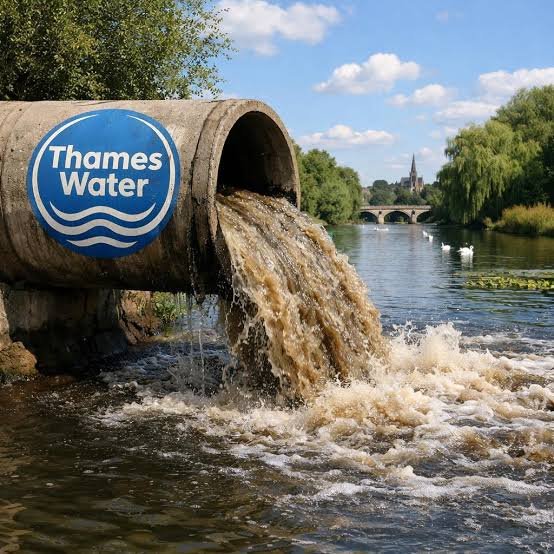
Thames Water creditors are preparing to vote on a proposed £2.4bn emergency loan as the financially troubled UK water company faces the prospect of running out of cash by the end of 2026 or early 2027. The proposed funding is intended to keep the utility operating while creditors and other stakeholders seek a longer-term solution to its mounting debt problems.
The consortium London & Valley Water will vote on Thursday on whether to increase Thames Water’s existing funding facility from £3bn to £5.4bn, potentially providing financial support through autumn 2027. However, the proposal has prompted concerns from consumer campaigners, who warn that the financing could increase household costs if interest expenses are passed on to customers.
Thames Water and the creditor consortium have rejected claims that households will bear the costs of the rescue financing. The disagreement highlights the wider debate over who should pay for the company’s financial difficulties and whether additional private lending can provide a sustainable alternative to public intervention.
Why Thames Water Needs an Emergency £2.4bn Loan
Thames Water has warned that it could run out of cash by the end of 2026 or the beginning of 2027 without additional funding. The company said this month that it needed another £2.4bn because it would be unable to reach a longer-term agreement to restructure its extensive debts before its available cash was exhausted.
The proposed financing would increase the company’s existing funding facility to £5.4bn and is intended to support continued operations while negotiations over its financial future continue.
Thames Water has struggled under a debt burden of approximately £20bn, leaving it facing the risk of collapse for several years. Its shareholders withdrew in 2024, leaving creditors with effective control while they worked on a plan to avoid bankruptcy.
The company serves approximately 16 million customers across London and the Thames Valley. Its financial difficulties have raised questions about the long-term viability of its existing ownership and financing arrangements, particularly given the need to maintain and improve essential water infrastructure.
The latest loan proposal is therefore more than a short-term cash injection. It represents another attempt to keep the company operating while decisions are made about its debt, ownership and future investment requirements.
How the Proposed £2.4bn Loan Could Affect Household Bills
The potential impact on customers has become a central point of disagreement surrounding the proposed financing. Campaign group We Own It estimates that the additional £2.4bn loan could cost households approximately £40 each in interest if it were financed on the same terms as the existing loan and those costs were added to bills.
The campaign group’s analysis also estimates that households could face a cost of £454 each if the entire amount of the additional loan were passed on to customers. These figures are campaign group estimates rather than confirmed changes to household bills.
London & Valley Water has insisted that customers will not be required to pay the costs of Thames Water’s rescue financing. The consortium said those expenses would be borne entirely by the company’s class A creditors.
Thames Water has also said that the additional funding would not add costs for households. A company spokesperson stated that customer bills are set by Ofwat, the water industry’s economic regulator, and that creditor funding would allow investment to continue without increasing household costs through the financing arrangement.
The distinction between the cost of borrowing and the amount customers ultimately pay is important. Although a loan creates interest obligations for the company, whether those costs affect household bills depends on the applicable regulatory and financing arrangements.
The dispute illustrates the uncertainty facing customers as Thames Water seeks further financial support. Campaigners are concerned about the possibility of households indirectly bearing the costs of rescuing the company, while creditors and the utility maintain that the proposed arrangement will not increase bills.
Who Is Financing Thames Water’s Rescue?
Thames Water’s existing £3bn funding facility was provided last year by class A creditors, including BlackRock, Elliott Management and Silver Point Capital. The loan carries an interest rate of 9.75%, reflecting the financing terms associated with the company’s difficult financial position.
The company said this month that it had drawn approximately £2.65bn of the £3bn available under the so-called super senior facility. The proposed additional £2.4bn would expand the overall facility to £5.4bn if approved.
Thames Water has previously said customers would not be responsible for the interest on the existing £3bn loan. However, the company has almost exhausted its available cash and has not repaid the debt, increasing the urgency of decisions about its financing arrangements.
The creditors have approved 15 previous consent requests from Thames Water, demonstrating their continuing involvement in efforts to keep the business operating. The latest proposal would require them to commit additional capital while the company’s longer-term financial position remains unresolved.
The consortium argues that private capital is necessary to support Thames Water’s infrastructure investment programme and avoid the need for direct government financial assistance. Critics, however, question whether additional borrowing can resolve the company’s underlying financial problems without creating further obligations.
We Own It Warns Against Passing Rescue Costs to Customers
We Own It has criticised the proposed loan, arguing that Thames Water has already extracted substantial sums from its operations and should not receive further financial support without a fundamental change in ownership and accountability.
Sophie Conquest, the campaign group’s lead campaigner, said £11.9bn had been extracted from Thames Water since privatisation. She argued that the government should allow the company to enter special administration if it cannot survive without another expensive rescue package.
Special administration is a form of temporary government control intended to protect the continued provision of essential services while a longer-term solution is developed. In Thames Water’s case, campaigners have proposed this route as an alternative to providing further financial support under its existing arrangements.
Conquest also argued that the government should pursue permanent public ownership following a period of special administration. Her position reflects concerns that the current approach could leave customers exposed to the consequences of financial decisions made under the company’s previous ownership and financing structure.
These proposals remain part of the wider debate over how to manage Thames Water’s financial crisis. The immediate loan decision concerns liquidity, while questions about ownership, accountability and long-term funding require separate decisions.
Pressure Mounts for Special Administration
Some Labour politicians and environmental campaigners have called for Thames Water to enter special administration rather than receive another emergency loan. They argue that temporary government control could provide a route to restructuring the business and securing a more sustainable long-term arrangement.
Charlie Maynard, the Liberal Democrat MP for Witney, has also criticised the proposed financing. In 2025, he joined campaigners and junior creditors in an unsuccessful legal challenge against the existing £3bn loan.
Commenting on the proposed additional funding, Maynard argued that the creditors could provide another expensive rescue loan whose costs would ultimately fall on customers. He described the proposal as a short-term measure and called for the government to place Thames Water into special administration.
The competing positions reflect a fundamental disagreement over how the company’s financial problems should be resolved. Supporters of additional creditor funding argue that private capital can maintain operations and infrastructure investment while a recapitalisation plan is developed. Critics believe continued lending could postpone a more comprehensive restructuring.
Special administration would represent a different approach, involving temporary government control while a longer-term ownership or operating arrangement is pursued. Any decision would need to address the continuity of essential water services alongside the company’s financial obligations.
Government Considers Ownership and Restructuring Options
Andy Burnham is considering whether to allow a takeover by Thames Water’s creditors, nationalise the company or pursue another form of state control. The options form part of a broader debate about the future ownership of essential utilities and the role of public authorities in managing financially distressed service providers.
The proposed creditor takeover would involve writing off fines and reducing environmental commitments. Such changes could affect the company’s financial position and future obligations, while raising concerns about how its environmental responsibilities would be maintained.
Another option under consideration is converting approximately £100m in outstanding fines into a government stake in Thames Water. This arrangement could reduce the company’s financial burden while giving ministers some influence over how the business is managed.
Burnham has asked advisers to reconsider their approach and develop a new set of policy options for the utility. The discussions represent an early test of his stated ambition to bring essential services under public control.
However, the available options involve different financial, operational and governance implications. A creditor takeover could preserve private ownership under a restructured arrangement, while nationalisation or other forms of state control would increase the government’s role in the company.
The choice will also affect how Thames Water’s existing debts, future investment requirements and environmental obligations are handled. Resolving the immediate cash shortage would not, by itself, settle these longer-term questions.
Oxford Economist Questions Whether Thames Water Can Be Turned Around
Professor Dieter Helm, an economist at the University of Oxford, has questioned whether Thames Water’s turnaround can be properly funded. He argued that further loans could simply postpone an eventual move into special administration.
Helm said the company’s future investment programme would not be adequately funded under the proposed approach. He also described the wider water industry as facing conflicting political and financial pressures.
His concerns highlight the difference between providing enough cash to maintain day-to-day operations and establishing a sustainable financial structure capable of supporting long-term investment.
Water companies must maintain infrastructure and deliver essential services while meeting regulatory and environmental requirements. A company carrying substantial debt may face difficulties balancing borrowing costs with the funding needed for improvements and maintenance.
Additional lending could provide Thames Water with more time to negotiate a restructuring, but it would also increase the amount of financing that must be managed. Whether the approach succeeds will depend on the eventual recapitalisation plan, the terms of the debt and the company’s ability to fund its future obligations.
Thames Water Says Additional Funding Will Protect Investment
Thames Water has defended the proposed financing, saying additional liquidity from creditors would allow its investment programme to continue without interruption while the business seeks a recapitalisation.
A company spokesperson said customer bills are determined by Ofwat and maintained that the funding would not add costs for households. The company presented the proposed loan as a way to support continued operations while discussions over its longer-term financial structure proceed.
London & Valley Water has similarly argued that the financing costs will be borne entirely by class A creditors rather than customers. The consortium said creditors had provided billions of pounds in private capital to maintain Thames Water’s infrastructure investment programme and avoid the need for government financial support or taxpayer funding.
These assurances contrast with the warnings issued by We Own It and other campaigners. The disagreement centres on whether the proposed financing can protect essential services without transferring additional financial burdens to customers or the public sector.
The outcome of the vote will determine whether the company receives the proposed additional funding, but it will not automatically resolve the questions surrounding its debt burden, ownership or long-term investment needs.
What Happens Next for Thames Water?
The immediate priority is the creditor vote on the proposed £2.4bn loan. Approval would increase the company’s funding facility to £5.4bn and provide additional liquidity intended to support operations through autumn 2027.
However, the company’s future will also depend on negotiations over recapitalisation, the potential restructuring of its debts and the government’s decisions about ownership and control.
Customers will be watching closely for clarity on whether the proposed arrangement could affect their bills. Although Thames Water and its creditors have said households will not bear the financing costs, campaigners have questioned the broader implications of providing further support to a heavily indebted utility.
The debate also raises questions about how essential infrastructure should be financed and who should bear the risks when a major service provider faces financial distress.
For Thames Water, the emergency loan could provide additional time to negotiate a longer-term solution. Whether that time produces a sustainable turnaround or postpones a more fundamental restructuring remains uncertain.
Conclusion
Thames Water’s proposed £2.4bn emergency loan has intensified the debate over the future of one of the UK’s largest water utilities. Creditors are considering additional financing to maintain operations and infrastructure investment, while campaigners warn that further lending may postpone difficult decisions about the company’s debt and ownership.
The disagreement over household bills remains central. Thames Water and London & Valley Water insist that creditors will bear the costs of the rescue financing, while We Own It and other critics have raised concerns about the potential financial burden on customers.
The creditor vote is an important step in addressing the company’s immediate cash needs, but a lasting resolution will require decisions on debt restructuring, future investment, environmental commitments and ownership. Until those issues are resolved, Thames Water’s financial future and the potential consequences for customers will remain uncertain.
For breaking news and live news updates, like us on Facebook or follow us on Twitter and Instagram. Read more on Latest Business on thefoxdaily.com.


COMMENTS 0